Author: Tender Nest Editorial

  • Complete Baby Registry Checklist for New Parents

    Complete Baby Registry Checklist for New Parents

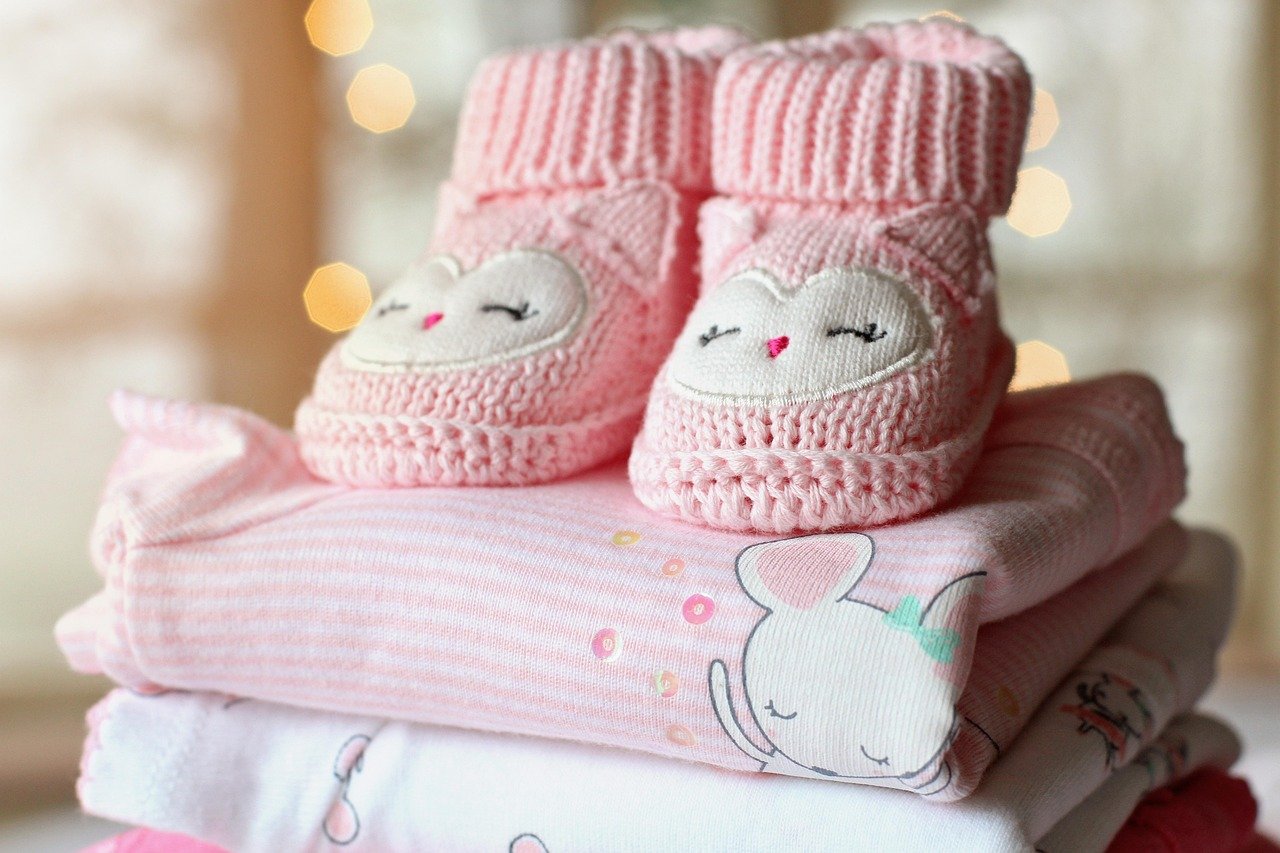
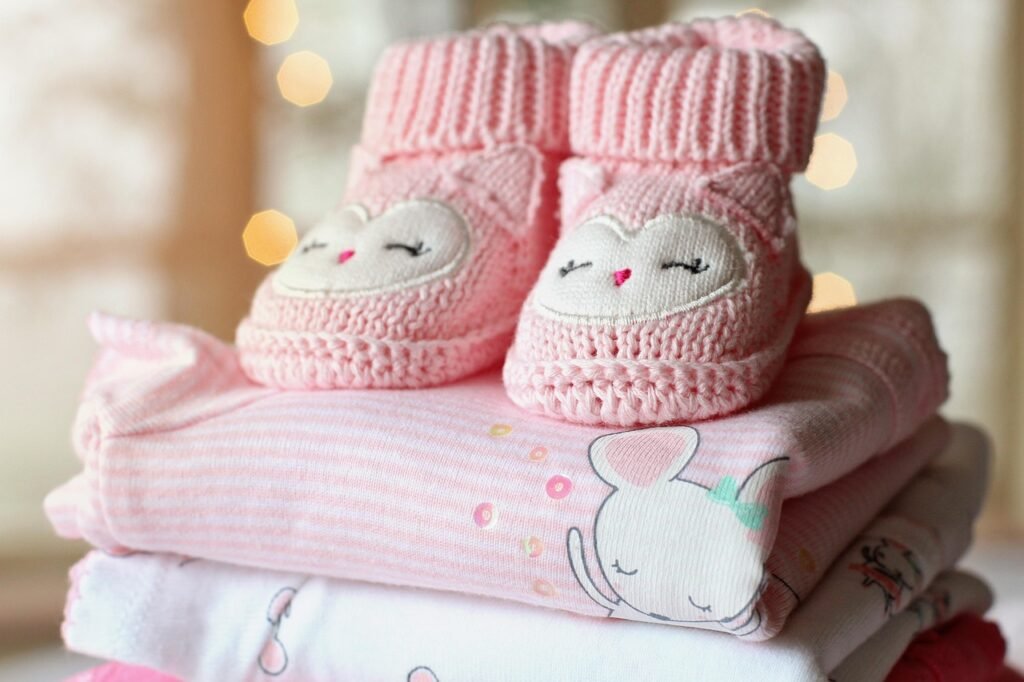
    Pink knitted baby booties resting on folded baby clothes
    Photo by TerriC on Pixabay (source)

    Quick answer: a good baby registry covers safe sleep, getting around, feeding, diapering, bathing, clothing and a few comfort items for you. Start with the essentials, add only what you will use, and leave room for gifts of experience, such as meals or help. Here is a category-by-category checklist.

    Before you start

    • Talk with your partner about priorities and budget.
    • Ask friends who have babies what they used, and what they did not.
    • Check the return policy and whether the registry allows items from several stores.

    Safe sleep

    • Crib, bassinet or play yard that meets current safety standards.
    • Firm mattress made for it and two or three fitted sheets.
    • Sleep sacks (wearable blankets) in a couple of sizes.
    • Optional: white-noise machine, blackout curtains, room thermometer.

    Getting around

    • Rear-facing infant car seat and base. Many people buy this themselves, so check family plans.
    • Stroller that works with the car seat, or a travel system.
    • Baby carrier or wrap you have tried on.
    • Diaper bag or backpack.

    Feeding

    • Nursing pillow and nursing bras, if breastfeeding.
    • Bottles, nipples and a drying rack, whichever feeding method you use.
    • Burp cloths and bibs.
    • Optional: breast pump, check your insurance, since some plans cover one.
    • Later: high chair, spoons and plates for solids.

    Diapering and bathing

    • Diapers in newborn and size 1, plus wipes.
    • Changing pad and a diaper pail or small bin.
    • Barrier cream.
    • Baby bath, hooded towels, washcloths and gentle wash.

    Clothing

    Ask for bodysuits, sleepers, socks and hats in sizes from newborn to six months. Many parents list larger sizes too, because newborn sizes are outgrown fast.

    Health and safety

    • Digital thermometer, nail file or clippers, and a basic first aid kit.
    • Outlet covers, furniture anchors and a baby monitor, if you want one.

    For you

    • Comfortable chair or glider, if you have space.
    • Water bottle, snacks and a long phone charger.
    • Meal-delivery gift cards or a “meal train” signup.

    Registry priority table

    Priority Items
    Must have Car seat, safe sleep space, diapers, a few clothes, feeding supplies
    Nice to have Carrier, white-noise machine, bath, monitor
    Can wait Toys, high chair, large clothing sets, playpen

    Registry checklist

    • Safe sleep, transport and feeding covered first.
    • Diapering, bath and health basics added.
    • Clothes in several sizes.
    • A few items for your own comfort.
    • Prices from low to high, so everyone can take part.

    A registry timeline

    When What to do
    Early second trimester Research, talk with friends, and make a first list
    Mid second trimester Create the registry, add items at several price levels
    Before the shower Share the link, check what has been bought, and update
    Last two months Fill gaps, use any completion discount, and return duplicates

    Car seat and safety gear: what to know

    • Choose a seat that is suitable for your baby’s weight and height, and follow the manual.
    • Car seats usually have an expiry date printed on them. Check it, and do not use an expired seat.
    • Follow the maker’s instructions about replacing a seat after a crash.
    • Have the installation checked if your area offers a free check.

    It can be helpful to buy the car seat yourself, so that you know its full history.

    Feeding choices to think about

    You do not have to decide everything before the birth. A few ideas:

    • If you plan to breastfeed, register for a few nursing items, but wait to buy anything expensive until you know what works.
    • If you plan to use formula, ask your pediatrician which type to use before you stock up.
    • Register for a few bottles in one or two styles, rather than a large set.

    Items for the first six months

    Age Items often useful
    0 to 3 months Sleep sacks, carrier, burp cloths, bath
    3 to 6 months Play mat, teething items, next-size clothes
    6 months and up High chair, spoons and bowls, stroller upgrade

    Spreading the registry across stages keeps your list useful for longer, and gives guests more choices.

    Practical features to look for in a registry

    • The option to add items from any store.
    • Group gifting for larger items.
    • A clear return and exchange policy.
    • A completion discount, if offered, and how long it lasts.
    • The ability to mark items as “most wanted”.

    Registry etiquette

    Include items at different prices so that every guest can take part. Do not feel obliged to buy anything yourself from the list. Send thank-you notes after gifts arrive, and write down who gave what. If someone gives you something you do not need, ask about the store’s exchange policy.

    Mistakes to avoid

    • Adding every popular item without checking whether it suits your life.
    • Ignoring size and storage.
    • Forgetting to update the list as you receive gifts.
    • Registering for second-hand safety gear without checking recalls.

    Items often forgotten

    • A spare set of bottle nipples and sleep sacks.
    • A thermometer and nail clippers.
    • A basket or caddy for the changing area.
    • A night light, and a small lamp for feeds.
    • A laundry hamper for baby clothes.
    • A first aid kit and a list of emergency numbers.

    For parents: postpartum items

    Item Why it helps
    Comfortable loungewear Easy to wear after birth, and for feeding
    Heavy pads and comfortable underwear For postpartum bleeding
    Water bottle and snacks For feeding and recovery
    Meal delivery or grocery gift cards Fewer decisions in the first weeks

    Adding experiences and services

    Gifts do not have to be objects. You can add services, such as meal delivery, a cleaning visit, a lactation consultation or a photographer. These can be very helpful during the first weeks, and some guests like giving them.

    Checking and updating your registry

    1. Review the list a month before the due date.
    2. Remove items you no longer need.
    3. Check whether anything is out of stock.
    4. Use any completion discount, and compare prices.
    5. Keep receipts and gift information in one folder.

    Registry for twins or a second child

    For twins, you may need two of some items, such as car seats and sleep spaces, and a stroller designed for two. For a second child, check what you already have, and what has expired or worn out. You may want to replace the car seat, the mattress and any item that is no longer safe.

    Frequently asked questions

    When should I create my registry?

    Many people start in the second trimester, so there is time to research and update it before any baby shower.

    Do I need everything on the list?

    No. Choose what fits your home and lifestyle. You can always add items later.

    Should I register for used items?

    Some families gladly accept used clothes and toys. Be cautious with safety gear, and check recalls.

    Conclusion

    A registry is a plan, not a test. Cover the safety essentials, add comforts that suit your family, and let your loved ones help.
    Read also

  • Safe Nursery Setup: A Practical Guide for New Parents

    Safe Nursery Setup: A Practical Guide for New Parents

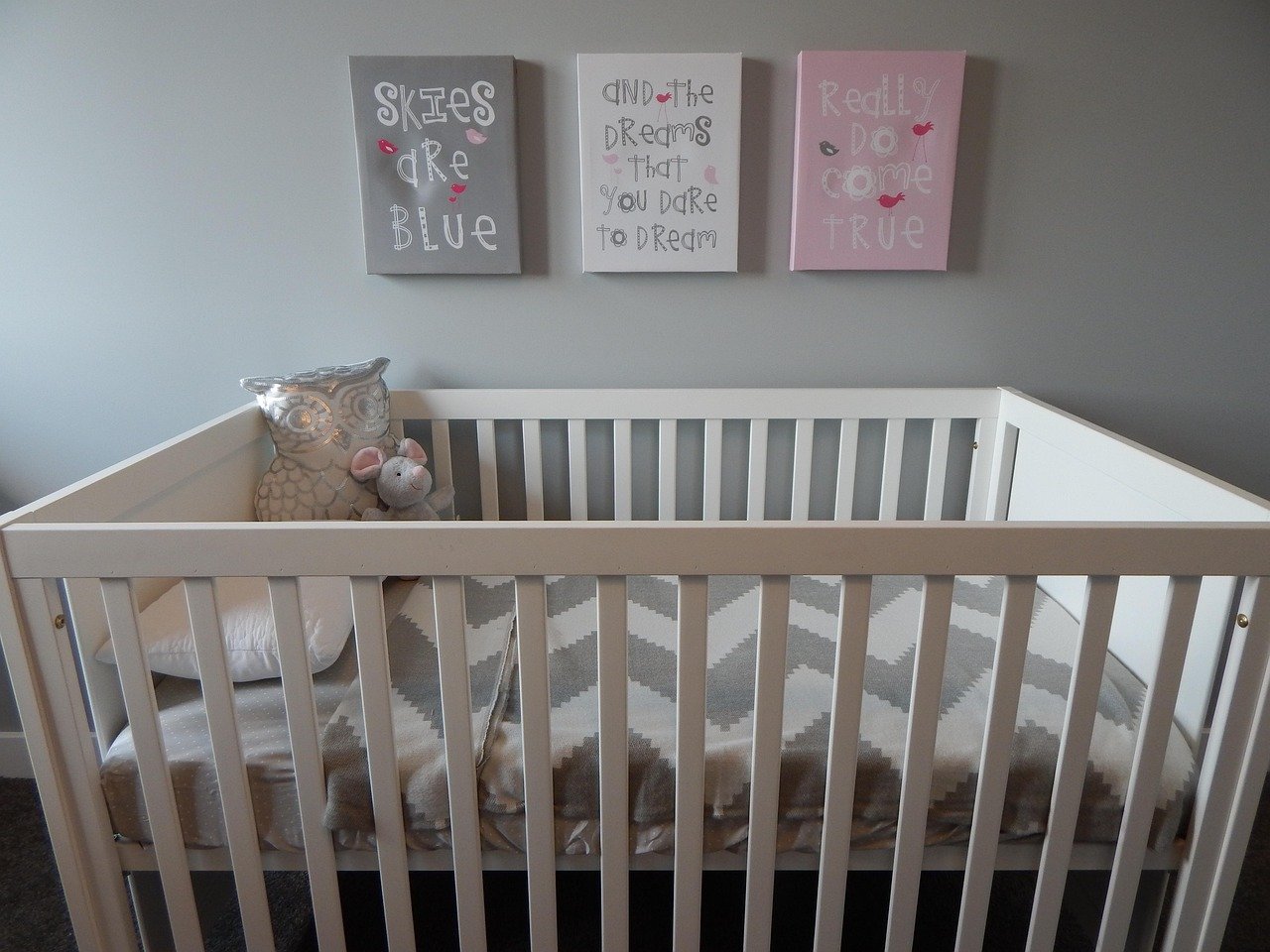
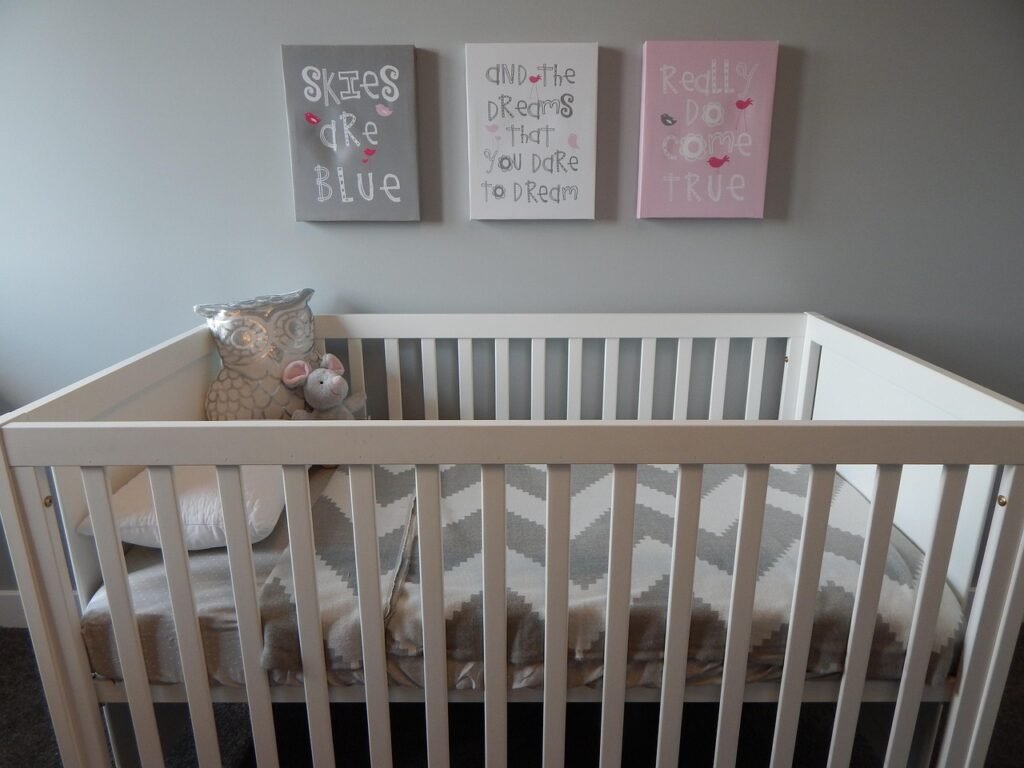
    White wooden crib in a nursery with framed prints on the wall
    Photo by ErikaWittlieb on Pixabay (source)

    Quick answer: a safe, comfortable nursery starts with a firm, bare sleep space, furniture anchored to the wall, a calm temperature and light you can control. Add soft touches such as warm lighting and a comfy chair for feeding, but keep the crib itself plain.

    Educational information only. Check current safety standards and recalls in your country.

    Choose a safe crib or bassinet

    • Use a product that meets current safety standards, and follow assembly instructions exactly.
    • Use only the mattress made for it, with a fitted sheet.
    • Keep the crib bare: no pillows, bumpers, loose blankets or soft toys, as recommended by the American Academy of Pediatrics.
    • Place it away from windows, blind cords, heaters and wall decorations within reach.

    Anchor furniture and secure the room

    • Anchor dressers, bookcases and TVs to the wall.
    • Cover unused outlets and keep cords out of reach.
    • Use cordless window coverings, or secure cords out of reach.
    • Keep small objects, medicines and cleaning products out of the room.

    Set a comfortable temperature and light

    Dress your baby in light layers, and avoid overheating. A room that is comfortable for a lightly dressed adult is usually a good guide, but check your pediatrician’s advice. Blackout curtains and a soft nightlight help with night feeds and daytime naps.

    Create a comfortable feeding spot

    A supportive chair, a small side table, a lamp with a dimmer and a basket with burp cloths and water make long feeds easier. Add a footstool if it helps your posture.

    Choose colors and decor

    Style Colors Ideas
    Soft neutral Cream, sand, sage Woven baskets, linen curtains
    Gentle pastel Blush pink, soft green Framed art, a rug in a pale tone
    Storybook Blue, yellow, warm white Picture books on a ledge

    Hang art high on the wall, or use stickers instead of heavy frames.

    Small-space tips

    • Use vertical storage, such as wall shelves and hanging organizers, but keep them out of the crib area.
    • Choose furniture with more than one use, such as a dresser topped with a changing pad.
    • Keep the floor clear for a play mat later.

    Wash and air the room

    Wash fabrics before use, open windows when you can, and let new furniture air out. Choose low-odor products when possible.

    Nursery checklist

    • Safe crib or bassinet, bare and firm.
    • Furniture anchored, cords secured.
    • Comfortable temperature and soft lighting.
    • Feeding chair and basket ready.
    • Diaper station within reach.
    • Decor that is simple and out of baby’s reach.

    Safe sleep, step by step

    Pediatric guidance can be summed up simply: alone, on the back, in a crib or bassinet. In practice:

    1. Place your baby on their back for every sleep, including naps.
    2. Use a firm, flat mattress with a fitted sheet, and nothing else in the sleep space.
    3. Keep the baby’s face uncovered, and avoid hats indoors while sleeping.
    4. Share your room, but not your bed, for at least the first months.
    5. Never fall asleep with your baby on a sofa or armchair.

    Swaddling and sleep sacks

    Some babies settle better when swaddled. If you swaddle, use a thin breathable fabric, keep the hips loose enough to move, and always lay baby on their back. Stop swaddling as soon as your baby shows signs of trying to roll over. A wearable blanket or sleep sack is a safer alternative for many families.

    Safe baby room temperature and air quality

    • Many health services suggest keeping the room at about 16 to 20°C (61 to 68°F).
    • Use a room thermometer, and check your baby’s chest or back of neck for overheating.
    • If you paint the room, use low-odor paint and finish well before the baby arrives, leaving the windows open for a few days.
    • Avoid strong scents, smoke and aerosols in the room.

    Monitors and night lights

    A baby monitor is optional. If you use one, keep cords out of reach, and follow the maker’s instructions for placement. A dim, warm night light helps with night feeds, and it should not be placed within reach of the crib.

    A nursery safety audit

    Check Done?
    Crib or bassinet meets current standards, no recalls
    Firm mattress and fitted sheet only
    Furniture anchored to the wall
    Cords and blind strings out of reach
    Outlets covered or blocked
    Smoke and carbon monoxide alarm nearby
    Nothing hanging above the crib

    Budget tips

    • Spend on the safe sleep space and car seat first.
    • Borrow or buy second-hand for chairs, shelves and decor, after checking for safety.
    • Use paint and fabric to change the mood, instead of buying new furniture.
    • Choose a convertible crib or a dresser that can be reused later.

    Choosing safe furniture

    • Look for a stable base, with no sharp edges.
    • Choose a changing table or pad with a safety strap, and never leave the baby alone on it.
    • Avoid furniture with small detachable parts.
    • Check for recalls on any second-hand item.

    Window and cord safety

    Window cords are a known strangulation risk for young children. Use cordless blinds or keep cords out of reach with safety devices. Do not place the crib or other furniture near windows where children can reach cords or climb. Install window guards on upper floors, where appropriate.

    Electrical and heating safety

    • Cover unused outlets, and keep cords behind furniture.
    • Keep space heaters, humidifiers and fans out of reach.
    • If you use a humidifier, clean it as directed, and place it where baby cannot reach it.
    • Check smoke and carbon monoxide alarms regularly.

    Diaper-changing safety

    1. Gather everything within arm’s reach before you start.
    2. Keep one hand on your baby at all times.
    3. Use the safety strap, if the table has one.
    4. Keep creams and wipes out of the baby’s reach.

    Planning for the future

    As your baby grows, they will roll, crawl and pull themselves up. Plan to lower the crib mattress when they can sit, and remove items from the crib that could be used to climb. Review the room regularly, and update your safety checks as your child develops new skills.

    Cleaning the nursery

    Dust surfaces, wash fabrics and vacuum regularly. Use mild cleaning products, and avoid strong sprays near the baby. Wash crib sheets weekly, or sooner if soiled. Open the window each day to air the room, if the weather allows.

    Frequently asked questions

    Does the baby need their own room right away?

    No. Health guidance recommends sharing a room, but not a bed, in the early months.

    Are crib bumpers safe?

    The American Academy of Pediatrics advises against bumper pads in the crib.

    What is a good color for a nursery?

    Any color you find calming. Soft tones are popular, but there is no rule.

    Conclusion

    A nursery does not have to be large or expensive. Put safety first, make feeding comfortable, and add the decor you love.

    References

    Read also

  • How to Organize Newborn Clothes and Accessories

    How to Organize Newborn Clothes and Accessories

    Baby clothes hanging on a clothesline under a blue sky
    Photo by zuckerschnecke on Pixabay (source)

    Quick answer: organize newborn clothes by size first, then by type, and keep only what you will use now at hand. Wash new items before use, store outgrown clothes in labeled boxes, and keep daily accessories in small baskets near your changing spot.

    Start by sorting what you have

    1. Empty everything onto a bed or table.
    2. Remove items with loose buttons, long strings, damaged zippers or anything that looks unsafe.
    3. Check labels for size and care instructions.
    4. Set aside doubles you will not use and items to donate.

    Wash before wearing

    Many parents wash new baby clothes, blankets and sheets before first use to remove factory residue. Use a gentle, fragrance-free detergent, especially if your family has sensitive skin. Wash tags first, as some items have specific care needs.

    Sort by size, then by type

    Size group Where to keep it
    Newborn In the drawer you use every day
    0 to 3 months In the same dresser, a lower drawer or a labeled bin
    3 to 6 months and up Labeled storage bins on a shelf or closet

    Inside each drawer, group items by type: bodysuits, sleepers, pants, outerwear, socks and hats. Fold them vertically when you can, so that you can see every item at a glance.

    Use dividers and labels

    • Small drawer dividers or shoe boxes keep socks and hats from mixing.
    • Labels on bins, such as “3 to 6 months”, save time later.
    • Add a tag for season, if you live where seasons differ a lot.

    Organize accessories

    • Daily items: burp cloths, bibs and pacifiers (if you use them) in a basket on the changing table.
    • Diaper bag: keep a ready-packed bag with diapers, wipes, a change of clothes and a small blanket.
    • Hair and skin items: a small caddy for nail file, brush and cream.
    • Blankets and swaddles: stored folded in a basket, away from the sleep space until needed.

    Plan for growth

    Babies move through sizes quickly. Every few weeks, check what no longer fits and move it to the “outgrown” box. If you plan another baby, store clean items in a sealed container with a note on size and season. Otherwise, pass them on to friends or donate them.

    Keep laundry simple

    • Use a small hamper in the nursery just for baby clothes.
    • Wash baby items together, in small, frequent loads.
    • Keep a spare set of clothes in the car and the diaper bag.

    Organization checklist

    • Sort, check and wash new items.
    • Group by size, then by type.
    • Label bins and drawers.
    • Pack a diaper bag and an accessory basket.
    • Review sizes every few weeks.

    A sample capsule wardrobe

    A small, mix-and-match set makes mornings easier. Here is an example for the first three months. Adjust the numbers to how often you do laundry.

    Item Newborn size 0 to 3 months
    Short- or long-sleeved bodysuits 5 6
    Footed sleepers 4 5
    Sleep sacks 2 2
    Pants or leggings 3 4
    Socks, hats, mittens 3 sets 3 sets

    Safety in baby clothing

    • Avoid drawstrings, long ties and decorations that can detach, as they can be a choking or strangulation risk.
    • Choose snaps or zippers that are easy to use at night.
    • Check that necklines are loose enough for baby’s head, and that labels do not scratch.
    • For sleep, use fitted sleepers or sleep sacks instead of loose blankets.

    Laundry routine

    1. Sort by color and fabric, and check care labels.
    2. Close zippers and fasten Velcro to protect other items.
    3. Use a gentle detergent, and rinse well.
    4. Pre-treat stains right away, since baby stains can set quickly.
    5. Fold or hang clothes as soon as they are dry, and return them to the right drawer.

    Seasonal rotation

    If your baby is born in one season and will grow through another, plan ahead. Store the next season’s sizes in labeled bins, and check them every month. Put away items that are out of season, such as snowsuits in summer. This helps you avoid buying duplicates.

    Hand-me-downs and donations

    • Sort gifted clothes by size as soon as they arrive.
    • Keep a box for items that do not fit or that you do not like.
    • Pass on clean, good-quality clothes to friends or donation centers.
    • Keep a few sentimental items, and store them in a dry, sealed container.

    Keeping the changing area tidy

    Place a small basket for the day’s outfits, another for diapers and wipes, and a bin for used items. A tray on top of the dresser keeps creams and small items in one place. Check supplies once a week, so that you never run out of the essentials at night.

    Dressing your baby: a quick routine

    1. Lay out the clothes before you start.
    2. Place the baby on a safe surface, with one hand on them at all times.
    3. Talk and make eye contact, so that dressing is calm.
    4. Gently ease limbs through sleeves, and avoid pulling.
    5. Check that nothing is too tight and that the diaper is secure.

    Layering for temperature

    Room feels Possible outfit
    Warm A short-sleeved bodysuit
    Comfortable A bodysuit and a light sleeper
    Cool A bodysuit, a sleeper and a light cardigan or sleep sack

    Check your baby’s chest or back of the neck to see if they are too hot or cold. Do not rely on hands and feet, which are often cooler.

    Accessories worth having

    • Soft cotton hats, for outdoors in cold weather.
    • Scratch mittens, if your baby scratches their face, or sleeves with fold-over cuffs.
    • Muslin cloths, which are useful for many things.
    • A few swaddles or sleep sacks.

    Storing keepsakes

    If you want to keep a few special items, such as a going-home outfit, wash and dry them fully. Store them in a clean, dry box or acid-free paper, away from direct sunlight and damp. Label the box with the date and the item. Check it once a year.

    Sharing the system

    Show other caregivers where things go, and keep labels simple. A clear system means anyone can find a clean outfit or a diaper at night, even when tired. It also helps when grandparents or babysitters look after the baby.

    Quick tips for a smooth changing area

    • Keep a spare outfit and a muslin cloth within reach of every feeding spot.
    • Fold clothes in a way that makes it easy to grab a full outfit.
    • Use a small bin for items to wash, and empty it daily.
    • Replace items that are stained or worn, and keep only what you use.

    Frequently asked questions

    How many clothes does a newborn need?

    Fewer than most people think. See our newborn essentials guide for a practical starting set.

    Should I wash second-hand clothes?

    Yes. A wash before first use is a good idea for any pre-owned item.

    What is the best way to fold baby clothes?

    Fold them in small rectangles and store them upright, so each item is visible.

    Conclusion

    A little structure saves time when you are tired. Sort by size, label what you store and keep daily items within reach.

    Read also

  • A Practical Guide to Your Baby’s First Month

    A Practical Guide to Your Baby’s First Month

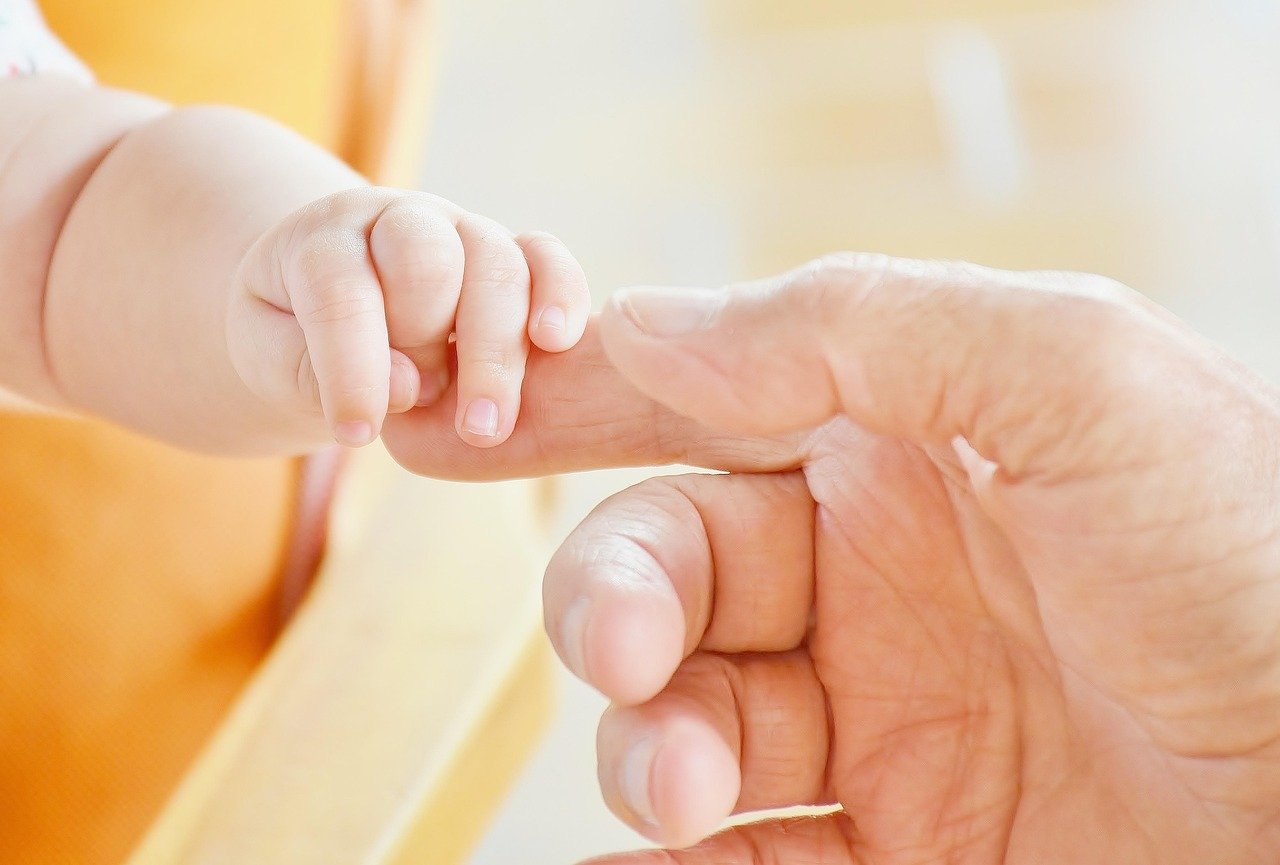
    Newborn baby's tiny hand holding an adult's finger
    Photo by RitaE on Pixabay (source)

    Quick answer: in the first month your main jobs are feeding your baby, keeping them safe and warm, going to checkups, and recovering yourself. Expect frequent feeding, short sleep stretches and lots of questions. Know the warning signs, and call your pediatrician when something worries you.

    Educational information only. It does not replace advice from your baby’s doctor.

    What to expect week by week

    Week Common experiences
    Week 1 Learning to feed, frequent diapers, first checkup soon after you get home
    Week 2 Many babies regain their birth weight around now, cord stump may fall off
    Week 3 Growth spurt and cluster feeding are common
    Week 4 More alert periods, early smiles may begin soon after

    Every baby is different, so treat this as a general picture and follow your pediatrician’s guidance.

    Feeding

    Newborns feed often, many times in each 24 hours, whether breastfed or formula fed. Watch for hunger cues instead of watching the clock, and keep track of wet and dirty diapers, because your pediatrician may ask about them. If feeding is painful or you worry your baby is not getting enough, ask a lactation consultant or your pediatrician early.

    Sleep and safe sleep

    • Newborns sleep a lot, but in short stretches around the clock.
    • Always place your baby on their back, alone, on a firm, flat surface with no loose bedding.
    • Avoid sleeping with your baby on a sofa or armchair.

    Diapers and skin

    Change diapers regularly, clean gently and use a barrier cream if the skin looks red. Newborn skin often has small spots, peeling or a rash that settles by itself, but ask your pediatrician if you are unsure.

    Cord care and bathing

    Keep the umbilical cord stump clean and dry, and follow the care instructions given by your hospital or pediatrician. Sponge baths are commonly recommended until the stump falls off and heals. Call your doctor if the area is red, swollen, smelly or oozing.

    Medical visits

    Newborns usually have a checkup within a few days of leaving the hospital, and again over the first weeks. Bring your questions and a list of feeding and diaper counts. Ask about vaccines and the schedule used in your country.

    When to call your pediatrician or emergency services

    • Fever: the American Academy of Pediatrics advises calling right away if a baby under 3 months has a temperature of 100.4°F (38°C) or higher.
    • Trouble breathing, bluish color or a limp, hard-to-wake baby.
    • Refusing feeds, repeated vomiting, or very few wet diapers.
    • Yellowing of the skin or eyes that is spreading or getting worse.
    • Anything that makes you feel something is wrong. Trust your instincts.

    Looking after yourself

    • Rest when you can, eat regular meals and drink water.
    • Accept help with meals, laundry and visitors.
    • Many people feel tearful in the first days. If low mood, anxiety or intrusive thoughts last or get worse, talk to your doctor or midwife soon.

    First month checklist

    • Book or confirm the first pediatric checkups.
    • Track feeds and diapers for a few days.
    • Follow safe sleep guidance every time.
    • Save emergency and pediatrician numbers.
    • Plan help for meals and chores.
    • Check in with your own recovery and mood.

    How to tell if your baby is feeding well

    Doctors often ask about wet and dirty diapers because they show whether a baby is getting enough milk. Commonly, from about the fifth day, a baby has around six or more wet diapers in 24 hours, and several soft stools. Stool color changes in the first days, from dark to yellow-green. Your pediatrician will tell you what to expect for your own baby, and how often to weigh them. Call if you notice fewer wet diapers, a very sleepy baby who will not feed, or signs of dehydration.

    Newborn screening and jaundice

    Newborns usually have routine screening tests in the first days, such as a heel-prick blood test and hearing and heart checks, depending on your country. Jaundice, a yellow color of the skin and eyes, is common in the first week. It is often mild, but some babies need treatment, so tell your doctor if the yellow color spreads, deepens or if your baby is hard to wake or feeds poorly.

    Skin, nails and everyday care

    • Baby skin often peels in the first weeks. Use gentle products, and avoid perfumed ones.
    • Trim nails carefully, or use a file, to avoid scratches.
    • Wash hands before handling your baby, and ask others to do the same.

    Play, bonding and development

    • Hold, talk and sing to your baby.
    • Offer short tummy time while awake, with supervision.
    • Look at your baby’s face and respond to their sounds.
    • Skin-to-skin contact can help both of you relax.

    Babies may start to show a social smile around six weeks, but the timing varies.

    Visitors and keeping your baby healthy

    Newborns are more vulnerable to infection. Ask visitors to wash their hands, stay away if they are ill, and keep visits short. It is fine to say no or to ask people to wait. Make sure adults who are around your baby follow your area’s vaccine recommendations, which your doctor can explain.

    Your recovery

    • Expect bleeding and soreness for some time after birth, and ask your provider what is normal.
    • Many people feel tearful or overwhelmed in the first two weeks, often called the baby blues.
    • If sadness, anxiety or thoughts of harming yourself or your baby last, or are severe, contact your doctor right away or an emergency service. Postpartum depression and anxiety are common and treatable.
    • Go to your postpartum checkups, and mention any worries.

    For partners and support people

    Partners can take on night shifts, meals, laundry and visitors. Ask the new parent what would help most, and offer specific tasks instead of “let me know”. Partners can also feel stress and low mood, so look after yourself too.

    Preparing for the first checkups

    Before each visit, write down your questions and your observations. It can help to note feeds, diapers, sleep and any concerns. Bring your baby’s vaccination record, if you have one, and any documents the clinic asks for. Ask the doctor what to expect before the next visit, and when to call between appointments.

    • How often should we feed?
    • What diaper counts are normal for our baby?
    • When should we call the doctor?
    • When is the next visit?

    Frequently asked questions

    Is it normal for my baby to cry a lot?

    Newborns cry as their way of communicating. If crying seems very different, or comes with fever or poor feeding, call your pediatrician.

    Can I have visitors?

    Yes, if you want to. Ask visitors to wash their hands, stay home when sick, and keep visits short.

    When will my baby sleep through the night?

    Not in the first month. Newborns need to feed during the night.

    Conclusion

    The first month is demanding for everyone. Aim for safe sleep, regular feeding and good support, and ask for medical advice whenever you are unsure.

    References

    Read also

  • How to Organize Your Baby’s Daily Routine

    How to Organize Your Baby’s Daily Routine

    Sleeping newborn in a cozy nest with a crescent moon and stars
    Photo by bongbabyhousevn on Pixabay (source)

    Quick answer: newborns do not follow a strict schedule, so aim for a flexible rhythm instead. Follow your baby’s hunger and sleepy cues, repeat a simple “eat, play, sleep” pattern, keep day and night different, and adjust as your baby grows. Your pediatrician can tell you what is normal for your baby.

    Educational information only.

    Why a rhythm helps more than a clock

    In the first weeks, babies eat and sleep in short cycles around the clock. A rhythm gives you something predictable without pressure. By following cues, you respond to what your baby needs now, and routines gradually appear over the first months.

    Learn your baby’s cues

    • Hunger: turning the head, opening the mouth, sucking on hands. Crying is a late sign.
    • Tiredness: yawning, staring, rubbing eyes, looking away, fussing.
    • Overstimulation: turning away, arching the back, crying when handled.

    A simple “eat, play, sleep” pattern

    As your baby grows and stays awake longer, try this loop: feed, a short time of play or cuddling, then sleep. This can keep feeding from becoming a way to fall asleep every time. In the earliest days, do not worry if the order is different.

    Sample flexible day for a young newborn

    Part of the day What it can look like
    Morning Open curtains, feed, diaper change, a little face time and talking, nap
    Midday Feed, tummy time while awake and supervised, nap, a short walk if you wish
    Afternoon Feed, cuddles, nap, a calm moment for you to eat and rest
    Evening Feed, bath if you like, dim lights, quiet voices
    Night Feed in low light, change only if needed, back to sleep

    This is an example, not a schedule. Newborns often eat many times a day and sleep for many hours in short stretches, so ask your pediatrician what to expect for your baby’s age and weight.

    Help your baby tell day from night

    • Keep days bright and a little noisy, with normal household sounds.
    • Keep nights dark, quiet and boring.
    • Avoid long play at night feeds.

    Build a short wind-down routine

    Even a three-step routine helps: diaper change, a clean sleeper and a song or a quiet cuddle. Always place your baby to sleep on their back, in a safe sleep space.

    Plan for yourself too

    • Sleep when the baby sleeps, whenever you can.
    • Ask a partner or relative to take one stretch of care, so you can rest.
    • Keep water and snacks near your feeding spot.
    • Lower household standards for a few weeks.

    When to ask for help

    Contact your pediatrician if your baby is hard to wake for feeds, is not feeding well, has fewer wet diapers than expected, or seems unwell. If you feel persistently sad, anxious or overwhelmed, tell your doctor or midwife, because support is available.

    Routine checklist

    • Watch for hunger and sleep cues.
    • Try “eat, play, sleep” when it fits.
    • Keep days bright and nights calm.
    • Use a short wind-down routine.
    • Protect your own rest and ask for help.

    How routines change with age

    The pattern below is a general picture, not a rule. Many families see more predictability as babies get older, but there are wide differences between babies.

    Age What you may notice
    0 to 6 weeks Frequent feeds, short sleep, no fixed pattern. Focus on feeding, rest and cuddles.
    6 to 12 weeks Longer awake windows, more alert time, maybe a longer stretch of sleep at night.
    3 to 4 months A clearer day and night rhythm, and naps that start to follow a pattern.

    Sleep cues and awake time

    Young babies get tired quickly, often after a short period of being awake. Watch for early tired signs, such as yawning and staring, and start settling your baby before they are overtired and crying.

    Early sign Late sign
    Yawning, eyes glazing Arching back, loud crying
    Rubbing eyes Pulling ears, frantic movements
    Looking away Hard to settle

    Tummy time and play

    When your baby is awake and alert, spend short periods on their tummy, with you close by and watching. Pediatric guidance suggests starting early with a few minutes at a time. Talk, sing and make eye contact. Play is learning, even in the first weeks.

    Growth spurts and cluster feeding

    At certain times, such as around the second or third week, many babies feed more often for a day or two. This is common and often passes. It can feel exhausting, so plan for rest and food for yourself. If you are worried about your baby’s feeding or weight, speak with your pediatrician or a lactation consultant.

    Sharing nights with a partner

    • Agree on shifts, so that each adult gets one longer stretch of sleep.
    • If you breastfeed, a partner can handle changes, burping and settling.
    • If you use bottles, take turns feeding at night when possible.
    • Keep night routines calm, with dim lights and quiet voices.

    When the routine is not working

    • Check the basics: is baby hungry, tired, uncomfortable or in need of a diaper change?
    • Reduce stimulation and try a quiet room.
    • Try skin-to-skin contact or a carrier.
    • Take a break when you need to. It is safe to place your baby in a safe sleep space and step away for a minute if you are overwhelmed.
    • Ask for help if crying seems constant, or if your baby seems unwell.

    A simple log for the first weeks

    Many parents find it helpful to keep a short record of feeds, diapers and sleep, especially when a doctor asks questions. A notebook or an app is enough. Record only what you need, and stop when you feel comfortable.

    Time Feed Diaper Sleep Notes
    6:30 Yes Wet Fussy before feed
    8:00 Nap Slept 45 minutes

    These are only sample entries. Use whatever columns are useful for you.

    Handoff notes for other caregivers

    If a grandparent, partner or babysitter takes over, leave short notes: the last feed time, the last diaper, any sleep cues and what soothes your baby. Include emergency numbers and the pediatrician’s details. Clear notes help everyone feel confident.

    Routines for working parents

    • Plan a gentle return to work if you can.
    • Practice the childcare routine a few times before you start.
    • Keep morning and evening routines short and predictable.
    • Protect a little time with your baby after work, such as a calm bath or cuddle.

    Frequently asked questions

    When can I start a schedule?

    Many families find predictable patterns appear around two to four months, but every baby differs. Stay flexible.

    Should I wake my baby to feed?

    It depends on the baby’s age and weight. Follow your pediatrician’s advice about feeding frequency in the first weeks.

    Is it okay if the routine changes every day?

    Yes. Growth spurts, illness and travel all change the pattern. Go back to the basics when things settle.

    Conclusion

    A gentle rhythm is enough in the early months. Follow your baby, keep the day and night different, and look after yourself.

    Read also

  • Newborn Essentials for First-Time Parents

    Newborn Essentials for First-Time Parents

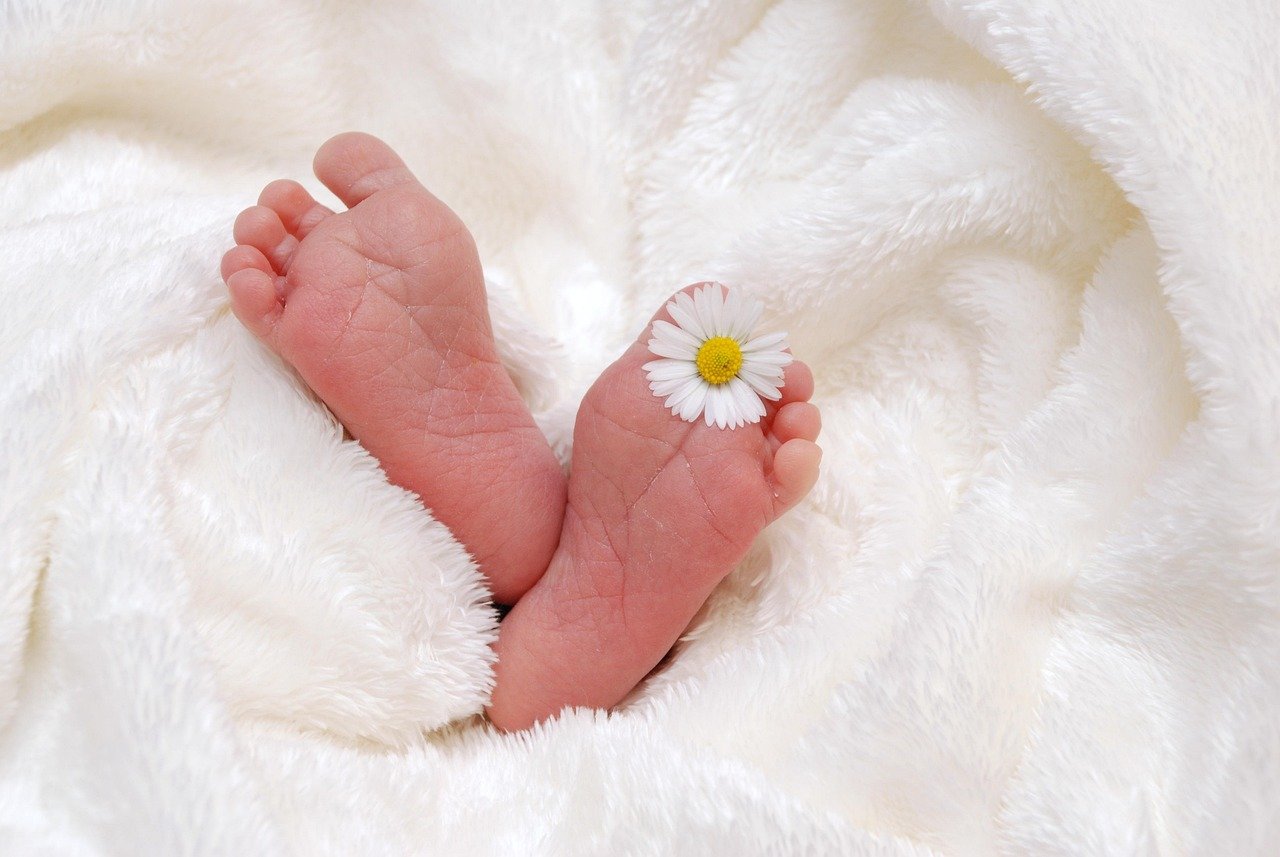
    Newborn baby feet on a white blanket with a small daisy
    Photo by kelin on Pixabay (source)

    Quick answer: a newborn needs a safe place to sleep, a car seat, diapers and wipes, a handful of simple clothes, feeding supplies, a few care basics and a thermometer. Everything else is optional. Buy less than you think, and add things once you know what your baby and your routine need.

    Educational information only. Ask your pediatrician about anything specific to your baby.

    Safe sleep

    • A crib, bassinet or play yard that meets current safety standards, with a firm, flat mattress.
    • Two or three fitted sheets made for that mattress.
    • Wearable blankets or sleep sacks, instead of loose blankets.

    Health guidance recommends putting babies to sleep on their backs, alone, on a bare surface, without pillows, bumpers or soft toys.

    Getting around safely

    • A rear-facing infant car seat suited to newborns. Follow the manual and local law.
    • A stroller or baby carrier you find comfortable. Try them in a store if you can.

    Diapering

    • Newborn-size diapers, or a small stock of cloth diapers if you prefer them.
    • Fragrance-free wipes or soft cloths and water.
    • Barrier cream and a changing pad.

    Clothing

    Babies grow fast, so choose a small set rather than a big one.

    Item Suggested start
    Bodysuits (onesies) 6 to 8
    Sleepers or footed pajamas 4 to 6
    Socks or booties 4 pairs
    Hats 2
    Cardigan or light jacket 1 to 2, depending on climate

    These numbers are a practical starting point, not a rule. If laundry is easy for you, you may need fewer.

    Feeding

    • If breastfeeding: nursing bras, breast pads, nipple cream and burp cloths. A pump is optional, so ask a lactation professional what suits you.
    • If using formula or pumped milk: bottles, nipples, a bottle brush and formula recommended by your pediatrician.
    • Bibs and several burp cloths for both options.

    Bathing and care

    • A small baby bath or a clean sink, plus soft towels and washcloths.
    • Gentle, fragrance-free baby wash.
    • Baby nail file or clippers, and a soft brush.
    • A digital thermometer. Ask your pediatrician which type and method they prefer for newborns.

    What you can wait to buy

    Many items are nice but not needed in the first weeks: a wipe warmer, a large toy collection, a changing table, many newborn-size clothes, and shoes. Wait to see what you really use.

    Newborn essentials checklist

    • Safe sleep surface and fitted sheets.
    • Installed infant car seat.
    • Diapers, wipes and cream.
    • A small set of clothes and sleep sacks.
    • Feeding supplies that match your plan.
    • Bath basics and a thermometer.
    • Pediatrician contact saved in your phone.

    What to buy first, and what to buy later

    Stage Priorities
    Before the birth Car seat, safe sleep space, a few clothes, diapers, feeding basics
    First weeks Extra burp cloths, more sleep sacks, a carrier, a few extra bodysuits
    Two to three months Play mat, small toys, next clothing size, a stroller upgrade if needed

    Spreading purchases over time helps your budget, and lets you buy only what suits your baby. You will also know your baby’s size, feeding method and temperament.

    Dressing your newborn for the temperature

    Babies cannot easily regulate their temperature, so avoid overheating. Many health services suggest keeping the room where baby sleeps at about 16 to 20°C (61 to 68°F), and dressing the baby in light layers. A common guide is to dress your baby in one more layer than you need to be comfortable, but not more. Check the back of the neck or the chest to see if baby feels too hot or too cold, since hands and feet are often cool. Do not use hats or heavy blankets for sleep indoors.

    Health basics at home

    • A digital thermometer, and your pediatrician’s advice on how to use it.
    • Saline drops or a nasal aspirator, if your pediatrician recommends them.
    • Your doctor’s phone number and the number for poison control.
    • Do not give a newborn any medicine, herbal remedy or supplement without asking your pediatrician.

    Items that help you

    • A water bottle and snacks for feeds.
    • A comfortable seat with back support.
    • Nursing or supportive bras, if breastfeeding.
    • Heavy pads, comfortable underwear and perineal care, as advised by your midwife or doctor.
    • A long phone charger, and headphones for night feeds.

    Common over-buys

    • Many newborn-size outfits, since babies outgrow them quickly.
    • Shoes, which are not needed before walking.
    • Specialized gadgets with a single use.
    • A large pack of one brand of diapers, before you know what fits.

    What to tell visitors

    If friends and family ask what to bring, suggest meals, diapers, a small outfit in a larger size, or an offer to help with chores. Ask visitors to wash their hands and to stay away if they feel unwell.

    Diaper basics

    A newborn can use many diapers each day. Check that the diaper fits snugly around the legs and waist, and fold the top down below the umbilical cord stump until it falls off. Change the diaper soon after it is wet or dirty, and clean gently from front to back. Let the skin dry before closing a fresh diaper, and use a barrier cream if the skin looks red.

    Bathing basics

    • Sponge baths are often suggested until the cord stump falls off. Ask your pediatrician.
    • Keep the room warm, and have everything ready before you start.
    • Never leave a baby alone in water, even for a moment.
    • Check the water temperature with your wrist or elbow, and keep your water heater at a safe setting.

    Newborn skin and nails

    It is common for newborn skin to peel, or for tiny white spots to appear. Most of these settle by themselves, but ask your pediatrician if you are worried. Keep nails short, using a file or baby clippers, to avoid scratches.

    Carrying and holding

    • Support your baby’s head and neck whenever you lift them.
    • Choose a carrier that keeps your baby’s airway clear and their hips supported.
    • Do not shake a baby, and take a break if you feel stressed. Place your baby in a safe sleep space and step away for a moment.

    Getting to know your baby

    Every baby is different. Some are calm, others are more sensitive. Spend time watching how your baby responds to sounds, light and touch. Over the first weeks, you will learn what soothes them. Trust your instincts, and ask for help when you are unsure.

    Frequently asked questions

    How many diapers should I buy before the baby arrives?

    Many parents start with one or two small packs of newborn size, since babies may outgrow the size quickly. Add more once you know your baby’s size.

    Do I need a bassinet and a crib?

    No. One safe sleep space is enough. A bassinet is convenient in your room, and a crib lasts longer.

    Is second-hand gear safe?

    Clothes and many toys usually are. Check recalls for cribs, strollers and other gear, and avoid used car seats if you do not know their history.

    Conclusion

    A calm start is built on a few safe, practical items. Focus on sleep, transport, diapers and feeding, and let the rest wait.

    References

    Read also

  • How to Choose the Perfect Name for Your Baby

    How to Choose the Perfect Name for Your Baby

    Wooden alphabet cubes with letters
    Photo by blickpixel on Pixabay (source)

    Quick answer: to choose a baby name, start with what matters to you (meaning, family, culture, sound), build a short list, test each name aloud with your surname, check initials and nicknames, check legal rules in your country, and give yourself time. There is no perfect name, only one that fits your family.

    Step 1: Talk about what matters

    Each parent may care about different things. Write down your priorities separately, then compare.

    • Meaning and origin.
    • Family or cultural tradition.
    • Sound and style: classic, modern, nature, short.
    • How common or rare you want it to be.

    Step 2: Collect ideas

    Browse lists of names, family trees, books and places that matter to you. Our baby name finder lets you filter by gender, origin, style and meaning. Save each idea in a shared note, without judging yet.

    Step 3: Narrow to a short list

    Each parent crosses off names they cannot imagine. Then keep the ones left on both lists. Aim for three to five.

    Step 4: Run the practical tests

    Test How
    Say it Say the full name aloud, including as you would call a child at the playground.
    Write it Write it with your surname and check the initials for unfortunate combinations.
    Nicknames List the nicknames people may use. Are you happy with them?
    Siblings Say it with sibling names. Do they sound good together?
    Spelling Would people spell it correctly without help?
    Search Search it online for any associations you do not want.
    Languages If your family speaks more than one language, check it works in each.

    Step 5: Check the rules

    Some countries restrict certain names, characters or lengths, and some need approval. Check with your local civil registry or hospital staff before you commit to a name, especially if it has special characters.

    Step 6: Handle opinions kindly

    Relatives may have strong views. You can share your short list, or keep it private until the baby arrives. Many parents find that keeping the final choice private avoids pressure.

    Step 7: Decide, and allow time

    Some parents know early, others want to meet the baby first. Bring two or three favorites to the hospital if you wish, and decide after meeting your child. Legal deadlines vary, so check yours.

    Common mistakes to avoid

    • Choosing only by a trend.
    • Ignoring how the name sounds with your surname.
    • Not checking the meaning in another language.
    • Announcing the name too early and then feeling pressure to keep it.

    Baby name checklist

    • Priorities written down by each parent.
    • Ideas collected in one place.
    • Short list of three to five names.
    • Said aloud, written, checked for initials and nicknames.
    • Legal rules checked.
    • Final decision after a few days or after meeting your baby.

    Using family and heritage

    Many parents honor a grandparent, a family surname or a cultural tradition. You can use the name as a first name, as a middle name, or in a modified form. If more than one relative hopes to be honored, a middle name or a second middle name can help you include everyone.

    Middle names

    • Use the middle name to add meaning, a family link or a better rhythm.
    • Keep the full name easy to say, especially with a long surname.
    • Consider whether your child might later use the middle name instead.

    A simple scoring sheet

    When you and your partner like different names, a shared sheet can make the conversation calmer. Each of you scores each name from 1 to 5 on the points that matter, and you compare the totals.

    Name Meaning Sound with surname Family link Nicknames Total
    Example A 4 5 3 4 16
    Example B 5 3 4 3 15
    Your name 1

    The examples are only an illustration of how to use the sheet. If scores are close, wait a few days and look again.

    Siblings and twins

    • Say the names of your children together, and check that they sound good as a set.
    • You do not need names that match in style, though some families like a theme.
    • For twins, avoid names that are too similar, such as two that rhyme, so that teachers and friends can tell them apart.

    Culture and religion

    Names can carry meaning in a culture or a faith. If you choose a name from a tradition you want to respect, learn the pronunciation, the story and the customs that go with it. If you and your partner come from different backgrounds, look for a name that works in both languages, or use one name as the first and another as the middle.

    After the birth

    You may find that the name you loved on paper feels different once you meet your baby. That is why many parents keep two or three options. Try the name aloud for a day or two. Check how long you have to register the name in your country, and what documents you need.

    Registering the name

    • Check your local rules, since some places limit characters, length or certain words.
    • Use the same spelling and order on every form.
    • Ask the hospital or registry office what they need, and if you can make changes later.

    Questions to ask yourself

    • Do I still like this name after a week?
    • Can I imagine saying it to a baby, a teenager and an adult?
    • Am I choosing it because I love it, or because someone expects it?
    • Does it feel like part of our family’s story?

    If you and your partner disagree

    Disagreement is common. A calm approach can help.

    1. Each person writes a list of names they love and the reasons.
    2. Share your lists, and look for overlaps.
    3. Each person can veto a limited number of names without explaining.
    4. Look at the remaining names, and pick two or three to test.
    5. If you are still stuck, wait until after the birth, and meet your baby first.

    Sharing the news of the name

    You can announce the name when the baby is born, at a naming ceremony, or by a simple message. Some families prefer to share it only with close relatives first. Decide in advance what you will say if people ask for the name before the birth.

    Frequently asked questions

    When should we choose the name?

    Whenever it suits you. Some families choose during pregnancy, others wait until after birth. Know your local deadline to register the name.

    What if we cannot agree?

    Each of you can pick a favorite, then try a middle-name compromise, or wait until after birth. Avoid choosing a name just to end the argument.

    Can we change a name later?

    In many places a name can be changed through a legal process, but rules differ. It is easier to choose carefully at the start.

    Conclusion

    A calm process helps. Keep the list short, test the names in real life, and trust the name that feels right when you say it out loud.

    Read also

  • Elegant and Rare Baby Names for Girls and Boys

    Elegant and Rare Baby Names for Girls and Boys

    Parents' hands cupping a newborn baby's feet, in black and white
    Photo by 5921373 on Pixabay (source)

    Quick answer: if you want a name that feels refined and uncommon, consider the 12 below. They have clear meanings, historical roots and a graceful sound. They are uncommon in many English-speaking countries, though we have not measured rarity ourselves, so check your local records.

    Elegant and rare girl names

    Name Origin Meaning
    Linnea Swedish The twinflower, a small woodland flower
    Marigold English The marigold flower
    Thea Greek Goddess; also short for names such as Dorothea
    Calliope Greek Beautiful voice; the muse of epic poetry
    Cosima Greek Order, harmony
    Clementine Latin Merciful, gentle

    Elegant and rare boy names

    Name Origin Meaning
    Lucian Latin Light
    Leander Greek Lion-man
    Evander Greek Good man
    Anselm Germanic Divine protection
    Florian Latin Flowering
    Alaric Gothic Ruler of all

    Why choose a rare name?

    • Your child may be the only one with that name in class.
    • Many rare names have a long history and a literary feel.
    • They give room for creative nicknames.

    Things to consider

    • Spelling and pronunciation: your child may need to explain them often.
    • Nicknames: think about what others may shorten the name to.
    • Associations: search the name on the web to see how it is used, and by whom.
    • Age and professional use: picture the name on a school list and on a business card.

    How to test a rare name

    1. Say it aloud with your surname.
    2. Write it by hand and on a screen.
    3. Ask two or three trusted people to repeat it back without help.
    4. Wait a few days, then see if you still like it.

    You can also browse more ideas with our baby name finder.

    More elegant names to consider

    Name Origin Meaning
    Seraphina Hebrew From seraph, a type of angel, often explained as “burning ones”
    Octavia Latin Eighth
    Matilda Germanic Mighty in battle
    Magnus Latin Great
    Orion Greek A hunter in Greek myth, and a well-known constellation

    Where rare names come from

    • Literature and music: names like Calliope and Cosima carry a poetic feel.
    • Mythology: Greek and Roman stories offer many names, such as Orion and Leander.
    • Nature: flowers and trees, such as Linnea and Marigold.
    • Old family names: surnames and grandparents’ names can be revived.
    • Other languages: names from your family’s heritage or a language you love.

    Pair a rare first name with a familiar middle name

    A familiar middle name gives your child an easy alternative. For example, a rare first name with a classic middle name, such as Calliope Rose or Lucian James, can work in more settings. If your child later prefers the middle name, it is there.

    Check the practical details

    Check Why it matters
    Spelling People may misspell it, which may be a recurring task for your child
    Pronunciation Unusual names can have more than one pronunciation
    Initials Make sure they do not spell an unwanted word
    Nicknames Think of what others might shorten it to
    Meaning Check it in several languages

    Avoiding regret

    • Live with the name for a week or two, using it when you talk about the baby.
    • Picture the name on a birth certificate, a school register and a business card.
    • Ask for honest reactions from a few people you trust, but remember the final decision is yours.
    • Check legal rules in your country before deciding.

    Is a rare name right for you?

    If you love the sound and the meaning and you are comfortable with some explaining, a rare name can be a lovely choice. If you worry about constant corrections, consider a name that is uncommon but easy to read, such as Lucian or Thea.

    How to say them

    Pronunciation can vary by region, so ask people from the relevant language if you want to be sure. These are common English pronunciations.

    Name Common English pronunciation
    Calliope kuh-LY-uh-pee
    Seraphina sair-uh-FEE-nuh
    Leander lee-AN-der
    Evander ee-VAN-der
    Anselm AN-selm
    Florian FLOR-ee-un
    Alaric AL-uh-rik

    Using a surname or place as a first name

    Some parents turn a family surname or a meaningful place into a first name. This links the child to their family history and gives the name a personal story. Check that the name sounds natural as a first name, and think about how it will look with your own surname.

    Gender-neutral rare names

    Names such as Rowan, Eden and Sage are used for both girls and boys. Wren, taken from the name of a small bird, is another gentle option. Gender-neutral names can feel modern and flexible, and they leave your child free to grow into the name.

    What if a rare name is teased?

    Children can be teased about any name. To reduce the risk, look at how the name might be shortened, rhymed or misread. Choose a name you can say with confidence, so that your child learns to feel proud of it. If your child later dislikes the name, a nickname or middle name can offer flexibility.

    Keep a shortlist and revisit it

    • Write the names you like in your phone, and add notes on why.
    • Look at the list again after a few days, and cross off names that no longer feel right.
    • Share the final two or three with a trusted person, and ask them to say each one aloud.

    Rare names as middle names

    If you love a rare name but feel unsure about using it as a first name, consider using it as a middle name. For example, Thea or Linnea would suit as a middle name with a more common first name. This gives your child a unique name, with the flexibility to use either one.

    Combining two uncommon names

    Two rare names together can be beautiful, but they may also be a lot to say and spell. If you choose this route, make sure the names have a different length and rhythm, such as a short first name and a longer middle name. Say them aloud many times before you decide.

    Check the history of the name

    • Search for well-known people with the name, in history or in books.
    • Check if it has meanings in other languages.
    • Look for older spellings that might be more attractive.
    • Read about the story or myth behind it, if it has one.

    Check local naming rules

    Some countries limit certain names or characters. If you choose a name with an unusual spelling or a special character, ask your local registry office whether it will be accepted.

    Frequently asked questions

    Is a rare name a risk for my child?

    Usually not, but it can mean more spelling and pronunciation explanations. A name you love, that is easy enough to say, tends to work well.

    How can I find out how rare a name is?

    Check official baby name statistics from your national statistics office or civil registry, and keep in mind that ranks change from year to year.

    Are some names not allowed?

    Some countries have naming rules or restrictions. Check your local civil registry before you finalize the name.

    Conclusion

    An elegant, uncommon name can be a lovely gift. Make sure it has a meaning you value, and that it feels natural to say.

    Read also

  • Biblical Baby Names and Their Meanings

    Biblical Baby Names and Their Meanings

    Open Bible with reading glasses beside a lit candle
    Photo by Myriams-Fotos on Pixabay (source)

    Quick answer: biblical baby names remain popular because they are meaningful, timeless and used across many languages. Below are girl and boy names from the Hebrew Bible and the New Testament with their usual meanings. Many Hebrew meanings are simplified, and scholars sometimes disagree.

    Why parents choose biblical names

    People pick them for faith, family tradition, or simply because the names sound strong and classic. Many have equivalents in other languages, such as Daniel, Daniela and Daniyal, which makes them useful for multicultural families.

    Biblical girl names

    Name Origin Usual meaning
    Hannah Hebrew Grace, favor
    Naomi Hebrew Pleasantness
    Sarah Hebrew Princess
    Abigail Hebrew My father is joy
    Esther Persian Star
    Eve Hebrew Life, living
    Ruth Hebrew Often explained as friend or companion

    Biblical boy names

    Name Origin Usual meaning
    Noah Hebrew Rest, comfort
    Elijah Hebrew My God is Yahweh
    Daniel Hebrew God is my judge
    Samuel Hebrew Heard by God
    Benjamin Hebrew Son of the right hand
    Ezra Hebrew Help
    Jonah Hebrew Dove
    Joshua Hebrew Yahweh is salvation
    Micah Hebrew Who is like God?
    Asher Hebrew Happy, blessed

    Unisex biblical options

    Eden (Hebrew, “delight”) is used for both girls and boys. Many parents also like short forms such as Eli, which can be a name on its own or a nickname for Elijah.

    Short forms and nicknames

    • Benjamin: Ben, Benji.
    • Samuel: Sam, Sammy.
    • Abigail: Abby, Gail.
    • Elijah: Eli, Lijah.

    Tips before you decide

    • Read the story of the person behind the name, so you know what you are choosing.
    • Check spelling variants in your language.
    • Say the name with your surname and middle name.
    • If you have a faith community, ask relatives about family naming traditions.

    Old Testament and New Testament names

    Many of the names above come from the Hebrew Bible, also called the Old Testament. The New Testament adds names from Greek and Latin, which often feel familiar in English.

    Name Origin Usual meaning
    Lydia Greek From Lydia, a region in Asia Minor
    Phoebe Greek Bright
    Priscilla Latin Ancient, venerable
    Tabitha Aramaic Gazelle
    Timothy Greek Honoring God
    Luke Greek From Lucania, in Italy
    Matthew Hebrew Gift of God

    Lesser-known biblical names

    If you want a biblical name that is less common, look at names that appear in shorter stories or in the lists of people in the text. Examples include Micah, Asher, Tobias and Tabitha. As with any name, read the story first, and decide whether you like what the name stands for.

    The same name in different languages

    Many biblical names have forms in other languages, which can help families that speak more than one language.

    English Other forms
    John Juan (Spanish), Ivan (Slavic), Sean (Irish), Johann (German)
    Joseph José (Spanish), Giuseppe (Italian), Yusuf (Arabic)
    Daniel Daniela, Danyal (Arabic form)
    Mary Maria, Miriam, Marie
    Elijah Elias, Ilya

    Pronunciation and spelling vary by language, so say the name aloud in the languages your family uses.

    Pairing biblical names

    • Combine a biblical first name with a modern middle name, such as Hannah Rose.
    • Choose two biblical names for a traditional feel, such as Samuel James.
    • Keep the sound balanced, and avoid names that rhyme or end and begin with the same sound.

    Choosing with respect

    Biblical names may carry religious meaning for many families. If you choose one for its sound rather than its faith, that is fine, but it helps to know the story. Talk with relatives about family traditions, such as naming a child after a grandparent, and decide together what is most meaningful.

    Spelling and variants

    • Some names have more than one common spelling, such as Hannah and Hanna, or Jonah and Yona.
    • Choose one and use it consistently on all documents.
    • Check that the spelling is accepted by your local registry.

    Names shared across faith traditions

    Several biblical figures also appear in other traditions, so their names exist in different forms. This can be helpful for families with mixed backgrounds.

    Biblical form Form in Arabic
    Abraham Ibrahim
    Moses Musa
    Noah Nuh
    Joseph Yusuf
    Mary Maryam
    Jonah Yunus

    Pronunciation and spelling differ across languages, so check with a speaker if you want to be accurate.

    Name pairs for brothers and sisters

    Some parents like names that feel like a set without matching too closely. For example, Hannah and Samuel are linked in a well-known story, and Naomi and Ruth are also connected. Think about whether you want siblings’ names to share a source, a sound or a theme, and whether that will feel natural when you say them together.

    Questions to ask before you choose

    • Do I know the story of the person this name belongs to?
    • Does the meaning feel right for our family?
    • Are there several well-known people with this name, and would that matter to us?
    • Does the name work in the languages we speak at home?
    • Do we have relatives who would be happy to be honored?

    Modern and traditional spellings

    Biblical names are among the oldest in use, and their spelling has changed over time. Hannah, for example, sometimes appears as Hanna or Anna, and Elijah as Elias. Choose the form that feels right for your family, and check that it appears the same way on all legal documents.

    How to research the story behind a name

    1. Find where the name appears in the text, and read the passage.
    2. Note what the person did, and how they are remembered.
    3. Check how the name is explained in a few reliable references.
    4. Talk with family or a faith leader if you want to understand its tradition.
    5. Decide whether the story fits what you hope for your child.

    Biblical first names with modern middle names

    First name Possible middle names
    Hannah Rose, Grace, Louise
    Naomi Joy, Claire, Elise
    Elijah James, Thomas, Alexander
    Samuel Henry, Oliver, Charles
    Micah David, Joseph, Andrew

    These are only ideas. Choose a middle name that has meaning for you.

    Families with more than one faith

    When a couple comes from different religious backgrounds, a name that appears in more than one tradition can be a good bridge. Names such as Joseph, Mary, Noah and Jonah exist in several traditions in different forms. Talk openly about what the name means to each of you and to your families.

    Frequently asked questions

    Are biblical names only for religious families?

    No. Many families choose them for their sound and history, regardless of religion.

    Why do some meanings differ between sources?

    Ancient Hebrew names can have more than one possible explanation. We use the common meaning and note when it is debated.

    Can I combine two biblical names?

    Yes. Compound names such as Anna-Grace or Samuel James are common, as long as the combination flows well.

    Conclusion

    Biblical names offer depth, history and variety. Pick one whose story and sound feel right for your family.

    Read also

  • Unique Baby Boy Names from Around the World

    Unique Baby Boy Names from Around the World

    Baby boy covering his face with a striped hat
    Photo by elizabethannphotolv on Pixabay (source)

    Quick answer: these 16 boy names come from Spanish, Scandinavian, Celtic, Sanskrit, Arabic, Hawaiian, Akan and other traditions. Each one has a clear meaning and is easy to pronounce in English. Meanings are simplified, and some names have more than one explanation.

    What “unique” means here

    We chose names that are less common than the biggest English-speaking favorites, without being hard to spell. We did not measure rarity with data, so please check the popularity records in your own country if that is important to you.

    Scandinavian and European names

    Name Origin Meaning
    Soren Danish Stern, strict (from Latin Severus)
    Anders Scandinavian Manly, brave (form of Andrew)
    Lars Scandinavian From Laurentum (form of Laurence)
    Hugo Germanic Mind, intellect
    Dante Italian Enduring (short form of Durante)
    Mateo Spanish Gift of God

    Celtic names

    Name Origin Meaning
    Callum Scottish Dove
    Aiden Irish Little fire
    Rowan Irish Little red one; also the rowan tree

    Names from Asia, Africa, the Middle East and the Pacific

    Name Origin Meaning
    Ravi Sanskrit Sun
    Arjun Sanskrit Bright, white; also a hero of the Mahabharata
    Amir Arabic Prince, commander
    Kofi Akan (Ghana) Born on a Friday
    Kai Hawaiian Sea (also used in other languages with other meanings)
    Rafael Hebrew God has healed

    Note: Japanese names such as Kenji have meanings that depend on the characters (kanji) chosen, so we do not list a single meaning for them. If you are drawn to a name from a language you do not speak, ask a speaker of that language about the pronunciation and meaning.

    Respect the culture behind a name

    • Learn the correct pronunciation and spelling.
    • Check whether the name has religious or cultural significance.
    • Consider how it will work in your child’s day-to-day life, at school and at work.

    More names to consider

    Name Origin Meaning
    Felix Latin Fortunate, happy
    Otto Germanic Wealth, prosperity
    Nikolai Slavic Victory of the people (form of Nicholas)
    Tobias Hebrew God is good
    Atticus Latin From Attica, the region around Athens
    Silas Greek or Latin Often linked to the forest

    Pronunciation and spelling guide

    Unusual names are easier to live with when you know how others will say and spell them. This table shows a few of the names above.

    Name Common English pronunciation Things to watch
    Soren SOR-en Sometimes spelled Søren in Danish
    Arjun AR-joon Spelled Arjuna in some traditions
    Callum CAL-um Also spelled Calum
    Kofi KOH-fee Part of a tradition of day names
    Rafael RAF-eye-el or rah-fah-EL Varies by language

    Pronunciations differ by region and language, so ask someone from the culture if you want to be sure.

    How the name sounds with your surname

    • Say the full name aloud several times.
    • Avoid a first name that ends with the same sound your surname begins with, such as “Callum Matthews” if it feels like a tongue twister to you.
    • Check that the initials do not spell an unwanted word.
    • If your surname is short, a longer first name may feel balanced, and the other way round.

    Names across regions

    • Northern Europe: Soren, Anders, Lars, Otto.
    • Southern Europe: Dante, Mateo, Rafael.
    • Celtic lands: Callum, Aiden, Rowan.
    • South Asia: Ravi, Arjun.
    • Middle East and Africa: Amir, Kofi.
    • Pacific: Kai.

    Honoring your heritage

    Many parents choose a name that links to a grandparent’s culture or a family story. If you do not have a family name to honor, a name from a place you love or a language you speak can serve the same purpose. Write down why you like each name, so that you can tell your child the story later.

    Check the name in other languages

    A name that is lovely in one language may mean something unexpected in another. If your family or community speaks more than one language, ask friends or relatives to read the name aloud and tell you what they think of when they hear it.

    Nicknames for these names

    Name Possible nicknames
    Mateo Teo, Matty
    Nikolai Niko, Kolya
    Tobias Toby, Tobi
    Rafael Rafa, Rafi
    Anders Andy
    Atticus Atti, Tick

    Middle name ideas

    A middle name can bridge a unique first name with a more familiar one. For example, Soren James, Callum Henry or Kai Alexander. If the first name comes from a culture, you could also pair it with a middle name from another part of your family’s heritage, so that both are honored.

    Naming brothers

    When you have more than one son, say the names together. They do not need to match, but they should work as a pair. Avoid names that are very similar in sound, such as Aiden and Aidan, because they can confuse teachers and friends. Some families choose names from the same region, while others prefer a variety.

    Trend or timeless?

    A name from another culture may suddenly become popular, or it may remain rare. If you prefer a name with a long history, look for names that have been used for centuries, such as Felix, Hugo and Tobias. If you prefer a name that feels fresh, consider names that are used in a specific language community but are less known elsewhere.

    Questions to ask yourself

    • Can I say the name with ease in my daily life?
    • Will others be able to spell it after hearing it?
    • Is the meaning one I would be proud to share?
    • Am I choosing this because I love it, or because it is fashionable?

    A quick checklist before you commit

    • I can spell and say the name with confidence.
    • I know what it means, and where it comes from.
    • It works with our surname and any middle name.
    • I have checked possible nicknames and the initials.
    • It is accepted by our local registry.
    • Both parents like it, or at least can live with it happily.

    Handling comments from relatives

    Relatives may have opinions about your name choice. It is fine to share your shortlist, or to keep the final choice private until the birth. If someone comments negatively, you can say, “We have thought about it carefully, and we love it.” You do not need to defend your decision.

    Frequently asked questions

    Can I use a name from a culture that is not mine?

    Many families do. It is a good idea to learn the meaning, the pronunciation and the cultural context, and to use the name respectfully.

    How can I check if a name is common?

    Many countries publish yearly baby name statistics through official statistics offices. Look for the latest report in your country.

    What if the name is hard for others to spell?

    It is fine, but be prepared to spell it often. Try saying it aloud to a few friends to see how they react.

    Conclusion

    A distinctive name can connect your child to a culture, a story or a family tradition. Choose one whose meaning you value, and learn it well.

    Read also