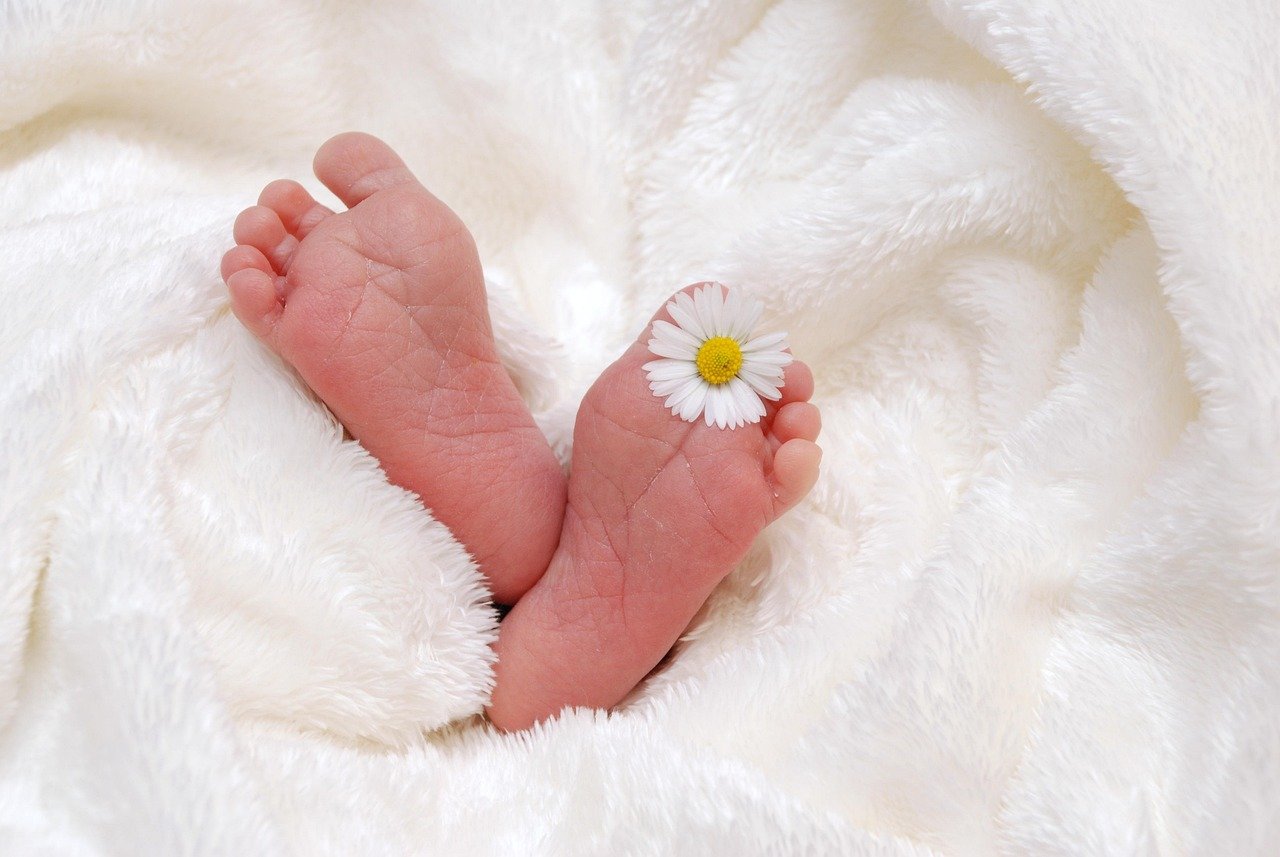

Quick answer: a newborn needs a safe place to sleep, a car seat, diapers and wipes, a handful of simple clothes, feeding supplies, a few care basics and a thermometer. Everything else is optional. Buy less than you think, and add things once you know what your baby and your routine need.
Educational information only. Ask your pediatrician about anything specific to your baby.
Safe sleep
- A crib, bassinet or play yard that meets current safety standards, with a firm, flat mattress.
- Two or three fitted sheets made for that mattress.
- Wearable blankets or sleep sacks, instead of loose blankets.
Health guidance recommends putting babies to sleep on their backs, alone, on a bare surface, without pillows, bumpers or soft toys.
Getting around safely
- A rear-facing infant car seat suited to newborns. Follow the manual and local law.
- A stroller or baby carrier you find comfortable. Try them in a store if you can.
Diapering
- Newborn-size diapers, or a small stock of cloth diapers if you prefer them.
- Fragrance-free wipes or soft cloths and water.
- Barrier cream and a changing pad.
Clothing
Babies grow fast, so choose a small set rather than a big one.
| Item | Suggested start |
|---|---|
| Bodysuits (onesies) | 6 to 8 |
| Sleepers or footed pajamas | 4 to 6 |
| Socks or booties | 4 pairs |
| Hats | 2 |
| Cardigan or light jacket | 1 to 2, depending on climate |
These numbers are a practical starting point, not a rule. If laundry is easy for you, you may need fewer.
Feeding
- If breastfeeding: nursing bras, breast pads, nipple cream and burp cloths. A pump is optional, so ask a lactation professional what suits you.
- If using formula or pumped milk: bottles, nipples, a bottle brush and formula recommended by your pediatrician.
- Bibs and several burp cloths for both options.
Bathing and care
- A small baby bath or a clean sink, plus soft towels and washcloths.
- Gentle, fragrance-free baby wash.
- Baby nail file or clippers, and a soft brush.
- A digital thermometer. Ask your pediatrician which type and method they prefer for newborns.
What you can wait to buy
Many items are nice but not needed in the first weeks: a wipe warmer, a large toy collection, a changing table, many newborn-size clothes, and shoes. Wait to see what you really use.
Newborn essentials checklist
- Safe sleep surface and fitted sheets.
- Installed infant car seat.
- Diapers, wipes and cream.
- A small set of clothes and sleep sacks.
- Feeding supplies that match your plan.
- Bath basics and a thermometer.
- Pediatrician contact saved in your phone.
What to buy first, and what to buy later
| Stage | Priorities |
|---|---|
| Before the birth | Car seat, safe sleep space, a few clothes, diapers, feeding basics |
| First weeks | Extra burp cloths, more sleep sacks, a carrier, a few extra bodysuits |
| Two to three months | Play mat, small toys, next clothing size, a stroller upgrade if needed |
Spreading purchases over time helps your budget, and lets you buy only what suits your baby. You will also know your baby’s size, feeding method and temperament.
Dressing your newborn for the temperature
Babies cannot easily regulate their temperature, so avoid overheating. Many health services suggest keeping the room where baby sleeps at about 16 to 20°C (61 to 68°F), and dressing the baby in light layers. A common guide is to dress your baby in one more layer than you need to be comfortable, but not more. Check the back of the neck or the chest to see if baby feels too hot or too cold, since hands and feet are often cool. Do not use hats or heavy blankets for sleep indoors.
Health basics at home
- A digital thermometer, and your pediatrician’s advice on how to use it.
- Saline drops or a nasal aspirator, if your pediatrician recommends them.
- Your doctor’s phone number and the number for poison control.
- Do not give a newborn any medicine, herbal remedy or supplement without asking your pediatrician.
Items that help you
- A water bottle and snacks for feeds.
- A comfortable seat with back support.
- Nursing or supportive bras, if breastfeeding.
- Heavy pads, comfortable underwear and perineal care, as advised by your midwife or doctor.
- A long phone charger, and headphones for night feeds.
Common over-buys
- Many newborn-size outfits, since babies outgrow them quickly.
- Shoes, which are not needed before walking.
- Specialized gadgets with a single use.
- A large pack of one brand of diapers, before you know what fits.
What to tell visitors
If friends and family ask what to bring, suggest meals, diapers, a small outfit in a larger size, or an offer to help with chores. Ask visitors to wash their hands and to stay away if they feel unwell.
Diaper basics
A newborn can use many diapers each day. Check that the diaper fits snugly around the legs and waist, and fold the top down below the umbilical cord stump until it falls off. Change the diaper soon after it is wet or dirty, and clean gently from front to back. Let the skin dry before closing a fresh diaper, and use a barrier cream if the skin looks red.
Bathing basics
- Sponge baths are often suggested until the cord stump falls off. Ask your pediatrician.
- Keep the room warm, and have everything ready before you start.
- Never leave a baby alone in water, even for a moment.
- Check the water temperature with your wrist or elbow, and keep your water heater at a safe setting.
Newborn skin and nails
It is common for newborn skin to peel, or for tiny white spots to appear. Most of these settle by themselves, but ask your pediatrician if you are worried. Keep nails short, using a file or baby clippers, to avoid scratches.
Carrying and holding
- Support your baby’s head and neck whenever you lift them.
- Choose a carrier that keeps your baby’s airway clear and their hips supported.
- Do not shake a baby, and take a break if you feel stressed. Place your baby in a safe sleep space and step away for a moment.
Getting to know your baby
Every baby is different. Some are calm, others are more sensitive. Spend time watching how your baby responds to sounds, light and touch. Over the first weeks, you will learn what soothes them. Trust your instincts, and ask for help when you are unsure.
Frequently asked questions
How many diapers should I buy before the baby arrives?
Many parents start with one or two small packs of newborn size, since babies may outgrow the size quickly. Add more once you know your baby’s size.
Do I need a bassinet and a crib?
No. One safe sleep space is enough. A bassinet is convenient in your room, and a crib lasts longer.
Is second-hand gear safe?
Clothes and many toys usually are. Check recalls for cribs, strollers and other gear, and avoid used car seats if you do not know their history.
Conclusion
A calm start is built on a few safe, practical items. Focus on sleep, transport, diapers and feeding, and let the rest wait.
Leave a Reply