Category: Pregnancy

  • Best Laundry Detergent for Baby and Family: How to Choose and Wash Safely

    Best Laundry Detergent for Baby and Family: How to Choose and Wash Safely

    Key Takeaways

    • Look for fragrance-free, dye-free detergents labeled for sensitive skin rather than paying extra for a “baby” label.
    • Wash baby clothes separately from heavily soiled adult items and use the extra rinse setting to remove residue.
    • Pre-treat stains quickly with cold water and a small amount of detergent before they set.
    • Use the amount of detergent the bottle recommends; more soap does not mean cleaner clothes.
    • Patch-test any new detergent on a small area of clothing if your baby has known skin sensitivities.

    The best laundry detergent for baby and family is usually one that is fragrance-free, dye-free, and gentle enough for sensitive skin — not necessarily the most expensive bottle with a baby on the label. If you have ever stood in the detergent aisle wondering which product is safe for a newborn onesie and still strong enough for a toddler’s spaghetti-covered shirt, this guide walks through what actually matters.

    What Makes the Best Laundry Detergent for Baby and Family

    Most pediatric guidance focuses on what to leave out rather than what to add. Fragrance and dyes are the most common ingredients linked to skin irritation in laundry products, so a fragrance-free laundry detergent is a sensible default for the whole family’s laundry — not just the baby’s.

    Detergent labeled “free and clear” or “for sensitive skin” typically avoids dyes, perfumes, and optical brighteners. You do not need a separate product for every family member; one gentle detergent that works for everyone keeps the laundry routine simpler and often costs less per load.

    • Fragrance-free and dye-free formulas * Enzymes for protein stains (milk, spit-up, food) * Liquid or powder that dissolves fully in your water temperature * A label that lists ingredients or states it is dermatologist-tested

    Do You Really Need a Separate Baby Laundry Detergent?

    A dedicated baby laundry detergent is convenient but not mandatory. The key question is whether a product is gentle on skin and rinses clean. Many families use one sensitive skin baby detergent for everyone and simply separate the wash loads by soil level and fabric type.

    If your baby has eczema or very reactive skin, a dedicated sensitive-skin detergent can be worth the small extra cost. Otherwise, a fragrance-free family detergent does the same job. The bigger factor is often how much detergent you use and whether you add an extra rinse.

    Ingredients to Look For and to Avoid

    Instead of memorizing brand names, learn to read the back of the bottle. This makes it easy to compare products on sale or switch when your usual one is out of stock.

    • Look for: “free and clear,” “fragrance-free,” “dye-free,” “hypoallergenic” (treated as a marketing term, not a guarantee) * Avoid or minimize: heavy perfumes, dyes, and fabric softeners, which coat fibers and can trap residue * Be cautious with: chlorine bleach on baby clothes; oxygen-based brighteners are gentler * Skip: extra scent boosters and dryer sheets in the newborn stage

    A Step-by-Step Baby Laundry Routine That Works

    A repeatable routine saves time and keeps baby clothes genuinely clean. Here is how to wash baby clothes without fuss — the simple version that fits a busy household with one machine and no special equipment.

    Parent sorting baby clothes into a laundry basket before washing
    Sorting by soil level keeps baby clothes genuinely clean. · Foto: neelam279 / Pixabay
    • Sort into three rough piles: baby clothes and bedding, family clothing, and towels or heavily soiled items. * Pre-treat stains on cuffs, necks, and spit-up areas with a dab of detergent and cold water; let it sit 10 to 15 minutes. * Choose a normal or gentle cycle with warm water for most baby items; cold water for delicates and wool. * Add the recommended amount of detergent — usually less than the cap suggests for a small load. * Run an extra rinse cycle for newborn items and anything touching the face. * Tumble dry on low or line dry; high heat can shrink cotton and set stains if any remain.

    For an easy reference, keep a small laminated card taped inside the laundry cabinet with these three rules: separate by soil level, pre-treat before washing, and always add an extra rinse for newborn items. This helps grandparents or a babysitter follow the same routine when they help out.

    How to Wash Baby Clothes Without Irritating Skin

    Washing technique matters as much as the detergent. Residue left in fabric is a common cause of irritation, and it usually comes from using too much soap or skipping the rinse. A few laundry tips for new parents go a long way here.

    Keep the machine load to about three-quarters full so clothes can move. Use the extra-rinse option for the first few months. If you use cloth diapers, follow the diaper manufacturer’s wash instructions separately rather than guessing.

    One practical habit: wash all new baby clothes before the first wear. New garments can carry manufacturing finishes and dust from the store, and a single wash removes most of it.

    • Do not overfill the drum * Use the extra rinse setting for newborn clothes * Wash new items before first use * Avoid fabric softener on sleepwear and towels

    If you live in a hard-water area, a water softener or a detergent designed for hard water can help prevent mineral buildup that makes fabrics feel stiff. Stiff clothes are not necessarily dirty, but they can rub against sensitive skin. A monthly cleaning cycle on your washing machine also reduces residue and odors that transfer to baby clothes.

    Common Mistakes Parents Make With Baby Laundry

    Even careful parents fall into a few predictable traps. Recognizing them early saves clothes and worry.
    Close-up of laundry detergent measuring cap showing how much to use
    Using the recommended amount prevents residue on fabric. · Foto: Monfocus / Pixabay
    • Using more detergent than needed, which leaves residue and can irritate skin * Mixing heavily soiled adult work clothes with newborn onesies in the same load * Reaching for bleach to whiten spit-up stains instead of oxygen-based brightener * Ignoring the care label and shrinking a favorite sleepsuit in a hot dryer * Assuming “baby” on the label means it is automatically gentler than a fragrance-free family product

    Practical Tips for Busy Families

    Laundry with a baby is less about perfect products and more about a system that survives tired days. These laundry tips for new parents focus on small changes that add up.

    Keep a small spray bottle of diluted detergent and water near the changing table for immediate stain treatment. Keep a laundry basket in the nursery so dirty items go straight in rather than piling on the floor.

    If you are choosing between two detergents, buy the smaller size first. A baby’s skin reaction, if any, usually shows up within a few washes, and you will not be stuck with a giant bottle.

    How to Test a New Detergent Safely

    Before washing an entire load of baby clothes with a new product, do a simple patch test. Wash one onesie or a small towel with the new detergent, then let it dry completely. Rub the fabric gently against the inside of your baby’s wrist or behind the knee and check for redness or irritation over the next few hours. If the skin stays calm, you can feel confident using the detergent for the whole family’s laundry.

    Another low-risk approach is to use the new detergent on adult clothes first for a week. This lets you see how it performs on stains and how it feels on fabric without exposing your baby’s skin immediately. If all goes well, transition the baby’s laundry next.

    Choosing the Best Detergent for Baby and Family on a Budget

    You do not need to spend a lot to find the best detergent for baby and family on a budget. Store brands often carry the same “free and clear” claims as name brands, and the ingredient list is usually very similar. Compare the cost per load rather than the price per bottle, and watch for concentrated formulas that require less product per wash.

    Buying a large container of a fragrance-free detergent and using it for the whole family is often the most economical choice. Skip dedicated stain removers unless you have a specific problem; a dab of the same detergent works for most everyday stains. If you use cloth diapers, calculate the extra washes into your budget, but do not assume you need a separate detergent for them unless the diaper manufacturer specifies one.

    • Compare cost per load, not bottle price * Choose concentrated formulas to reduce packaging and cost * Use one gentle detergent for the whole family when possible * Reserve specialty products for specific needs, like eczema-friendly formulas

    Conclusion: Choosing the Best Laundry Detergent for Baby and Family

    The best laundry detergent for baby and family is a fragrance-free, dye-free formula used in the right amount, with an extra rinse for newborn clothes. You do not need a cabinet full of specialty products — you need one gentle detergent, a quick stain routine, and a wash cycle you can repeat without thinking.

    Your next step: check the bottle currently in your laundry room. If it lists a strong fragrance or dye near the top of the ingredients, buy a small fragrance-free version on your next shop and try it for one week of baby laundry. Compare how the clothes feel and how your baby’s skin responds before switching the whole household.

    Frequently Asked Questions

    Is baby laundry detergent really necessary?

    Not always. A fragrance-free, dye-free detergent labeled for sensitive skin works well for both baby and family laundry. A dedicated baby detergent can help if your baby has eczema or reacts easily, but the bigger factors are using the right amount and adding an extra rinse for newborn items.

    Can I wash baby clothes with the family’s clothes?

    Yes, once your baby is a few months old and has no skin reactions, mixing is usually fine. In the newborn stage, wash baby items separately from heavily soiled adult clothes and use an extra rinse. Sorting by soil level matters more than separating by family member.

    What is the best detergent for baby and family with sensitive skin?

    Choose a fragrance-free, dye-free formula, often sold as “free and clear.” Avoid fabric softeners and scent boosters, which leave residue. Wash new clothes before first wear and use the extra rinse setting. If irritation continues, talk with your pediatrician about skin care rather than switching detergents repeatedly.

    How do I remove poop and spit-up stains from baby clothes?

    Rinse with cold water as soon as possible, rub in a small amount of detergent, and let it sit for 10 to 15 minutes before washing. Avoid hot water on protein stains, which can set them. For stubborn marks, an oxygen-based brightener works better than chlorine bleach on baby fabrics.

    How much detergent should I use for baby laundry?

    Use the amount the bottle recommends for your load size, and reduce it slightly for small loads. Overdosing is the most common cause of stiff, residue-covered clothes. If clothes feel stiff or scratchy after drying, cut back on detergent or add an extra rinse cycle.

  • Baby and Family Halloween Costumes: A Practical Guide for Parents

    Baby and Family Halloween Costumes: A Practical Guide for Parents

    Key Takeaways

    • Choose costumes that are safe, comfortable, and allow easy diaper changes and movement.
    • Pick a family theme that works for all ages and consider the weather and event setting.
    • Set a budget and explore DIY options or costume swaps to save money.
    • Test costumes before Halloween to ensure comfort and avoid last-minute issues.
    • Involve older siblings in theme selection to build excitement and teamwork.

    Baby and family Halloween costumes are a fun way to celebrate together, but planning them can feel overwhelming with so many options and considerations. Whether you’re looking for matching outfits or a creative group theme, this guide will help you choose costumes that are safe, comfortable, and memorable for everyone.

    Why Baby and Family Halloween Costumes Are Worth the Effort

    Halloween is more than just candy—it’s a chance to create family memories. Coordinated costumes make for great photos and bring a sense of togetherness. Plus, involving older siblings in choosing a theme can build excitement and teamwork.

    For babies, Halloween is often their first introduction to dressing up. Keeping it simple and comfortable ensures they enjoy the experience without fuss. And for parents, a family theme can be a fun creative outlet that doesn’t have to break the bank.

    Consider the long-term value: costumes can be reused for playdates or passed down to younger siblings. A well-chosen theme also makes future years easier, as you can build on the tradition. For example, a family that loves animals might start with a zoo theme and later expand to a safari adventure.

    How to Choose a Theme for Baby and Family Halloween Costumes

    Start by considering the ages and personalities of everyone in the family. A theme that works for a baby might not suit a reluctant toddler, so aim for flexibility. Popular family halloween costume ideas include classic storybook characters, animals, or funny puns.

    Parents and children picking out baby and family Halloween costumes together
    Choosing a theme the whole family loves is half the fun. · Foto: Sunriseforever / Pixabay

    Think about the setting: will you be trick-or-treating, attending a party, or just taking photos? Outdoor events require weather-appropriate costumes, while indoor parties allow for more elaborate designs. Also, check if the baby will be in a stroller or carrier, as some comfortable baby costume options are easier to adapt.

    • Consider matching family costumes like superheroes, animals, or food items. * Involve older children in choosing the theme to get their buy-in. * Keep the baby’s comfort in mind—avoid masks or hats that may bother them. * Plan for diaper changes: look for costumes with snap openings or two-piece designs.

    Safety First with Baby Halloween Costumes

    When selecting a costume for your baby, baby halloween costume safety should be the top priority. Avoid costumes with small parts, loose ribbons, or strings that could be choking hazards. Check for flame-resistant materials, especially if the costume has flowing fabric.

    Ensure the costume doesn’t restrict movement or breathing. Avoid masks that cover the face; instead, use non-toxic face paint or hats. Also, make sure the costume is visible in the dark—adding reflective tape or choosing light colors helps.

    • Choose flame-resistant fabrics when possible. * Avoid long capes or trailing fabric that can trip crawling babies. * Use face paint instead of masks for babies and toddlers. * Add reflective stickers to costumes for evening trick-or-treating.

    Test the costume for allergens: some fabrics or face paints may cause skin irritation. Wash new costumes before wearing and do a patch test on a small area of skin. If your baby has sensitive skin, opt for cotton or other natural fibers—another key part of baby halloween costume safety.

    Family Halloween Costume Ideas That Work for All Ages

    Finding a theme that suits a baby, older kids, and parents can be tricky, but some classics are versatile. For example, a zoo animal theme lets each family member pick a different animal while staying coordinated. Or go with a storybook theme like “The Very Hungry Caterpillar” with a baby as the caterpillar and parents as fruits—one of many family halloween costume ideas that scale with age.

    Another approach is to use simple base outfits and add accessories. For instance, everyone wears black and white, and the baby is a skunk, parents are cats, and siblings are mice. This keeps costs low and comfort high.

    • Classic characters: superheroes, princesses, pirates. * Animals: each person picks a different animal (e.g., lion, monkey, elephant). * Food themes: baby as a pea pod, parents as carrots. * Throwback themes: 80s workout gear, hippie costumes.

    For a group family costume that includes extended family, consider a theme like “The Wizard of Oz” where each person takes a character. This works well for multi-generational gatherings and creates a cohesive look for photos, and group family costumes also make handing down pieces to cousins easy.

    Budget-Friendly and DIY Baby and Family Halloween Costumes

    Halloween costumes can add up quickly, especially for a family. Set a budget and explore DIY options. Many costumes can be made from everyday clothing and a few craft supplies. For babies, a diy baby halloween costume like a simple onesie with felt additions can become an adorable outfit.

    Parent making a DIY baby Halloween costume with felt and fabric
    DIY costumes can be budget-friendly and adorable. · Foto: modernseoul / Pixabay

    Consider costume swaps with friends or local parenting groups. Thrift stores and online marketplaces often have barely-used costumes at a fraction of the price. And don’t forget to check your own closet for items that can be repurposed.

    • Use a plain onesie as a base and add felt or fabric appliques—the core of any diy baby halloween costume. * Host a costume swap with other families. * Shop thrift stores or consignment sales. * Repurpose old clothes: a black onesie and white felt can make a penguin.

    Comfort Tips for a Happy Baby on Halloween

    A comfortable baby is a happy baby, and that matters more than a picture-perfect costume. Look for soft, breathable fabrics like cotton, and avoid bulky layers that can cause overheating. If the costume is itchy or stiff, a comfortable baby costume often starts with a thin bodysuit underneath.

    Check for tight elastic bands around wrists, ankles, or the waist. These can leave marks and restrict circulation. Opt for loose-fitting designs or adjust as needed. Also, ensure the costume doesn’t interfere with diapering—easy access is key to a comfortable baby costume.

    • Choose costumes with snap closures or two-piece sets. * Avoid heavy headpieces that can strain the neck. * Dress your baby in a comfortable base layer. * Bring a backup outfit in case of spills or accidents.

    If your baby is crawling or walking, make sure the costume allows free movement. Test it by letting them crawl around the living room. Avoid long hems that can trip them or cause frustration.

    Step-by-Step: Planning Your Baby and Family Halloween Costumes

    Planning ahead ensures a stress-free Halloween. Follow these steps to get organized.

    • Step 1: Discuss theme ideas with the family and vote on a favorite. * Step 2: Set a budget for each person and total. * Step 3: Measure each family member and check size charts. * Step 4: Shop or gather materials for DIY costumes. * Step 5: Do a trial run—have everyone try on costumes and move around. * Step 6: Make adjustments for comfort and safety. * Step 7: Label costumes and accessories with names.

    Common Mistakes to Avoid with Baby and Family Halloween Costumes

    Even well-planned halloween costumes for kids and parents can go wrong. Here are common pitfalls to watch out for, especially when you’re sorting halloween costumes for kids and parents with different needs.

    • Choosing style over comfort: a fussy baby will not enjoy Halloween. * Ignoring the weather: a heavy costume can cause overheating. * Forgetting diaper access: costumes that are hard to remove lead to accidents. * Last-minute shopping: limited sizes and higher prices. * Overcomplicating DIY: keep it simple and stress-free.

    Another mistake is neglecting to involve older children in the decision. They may feel left out if the theme is imposed. Also, don’t forget to plan for bathroom breaks for toilet-trained kids—costumes with easy access are a lifesaver.

    Conclusion: Make This Halloween Memorable with Baby and Family Halloween Costumes

    With a bit of planning, baby and family Halloween costumes can be a highlight of the season. Focus on safety, comfort, and fun, and involve the whole family in the process. Start early, set a budget, and don’t be afraid to get creative with DIY options.

    Your next step: gather your family this week to brainstorm theme ideas and check out local thrift stores or online marketplaces for affordable costume finds. Happy Halloween!

    Frequently Asked Questions

    What are some easy DIY baby Halloween costume ideas?

    Simple DIY baby costumes include a pea pod (green onesie with felt peas), a pumpkin (orange onesie with felt face), or a spider (black onesie with pipe cleaner legs). These are comfortable and quick to make.

    How can I ensure my baby’s Halloween costume is safe?

    Choose flame-resistant materials, avoid small parts and loose strings, skip masks, and ensure the costume doesn’t restrict movement. Add reflective tape for visibility and always supervise your baby.

    What are good family Halloween costume themes for a baby and older kids?

    Themes like animals (each person a different animal), classic storybook characters (e.g., Alice in Wonderland), or superhero families work well. These allow flexibility for different ages and comfort levels.

    How can I save money on family Halloween costumes?

    Set a budget, consider DIY costumes using clothes you already own, shop at thrift stores, and organize a costume swap with friends. Planning early also helps you find sales.

    What should I avoid when choosing a baby Halloween costume?

    Avoid costumes with masks, long trailing fabric, or tight elastic. Stay away from small accessories that could be choking hazards, and opt for soft, breathable fabrics instead of bulky polyester.

  • Baby and Family Photography: How to Plan a Memorable Photoshoot

    Baby and Family Photography: How to Plan a Memorable Photoshoot

    Key Takeaways

    • Plan your baby and family photography session around your baby’s happiest time of day, usually after a nap and a feed.
    • Coordinate outfits in complementary colors and comfortable fabrics rather than matching exactly.
    • Choose a location that is safe, accessible, and meaningful to your family.
    • Prepare a small bag with snacks, diapers, and a change of clothes to keep everyone comfortable.
    • Communicate clearly with your photographer about your expectations, must-have shots, and any special needs.

    Baby and family photography is more than just taking pictures; it’s about preserving the fleeting moments of your growing family in a way that feels authentic and beautiful. Whether you’re welcoming a newborn or chasing a toddler, a well-planned photoshoot can capture the love and chaos of family life. In this guide, we’ll walk you through everything you need to know to plan a successful baby and family photoshoot, from choosing the right time to coordinating outfits and keeping everyone happy.

    Why Baby and Family Photography Matters

    Photographs are tangible memories that you’ll treasure for a lifetime. They document your baby’s rapid growth and the unique bond you share as a family. A professional baby and family photoshoot also gives you a chance to step back from the daily routine and focus on each other. Even if you’re not a professional photographer, you can still capture meaningful images with a bit of planning and patience.

    Beyond the sentimental value, these photos serve as a visual record of your family’s story. They can be shared with loved ones, displayed in your home, and passed down through generations. Investing time in planning your baby and family photography session ensures that the images reflect your family’s personality and style.

    Choosing the Right Photographer for Your Baby and Family Photoshoot

    Finding a photographer who specializes in baby and family photography is key. Look for someone whose portfolio features families and babies in a style you love—whether that’s bright and airy, moody and dramatic, or candid and documentary. Read reviews and ask for recommendations from friends or local parenting groups.

    Schedule a consultation to discuss your vision, ask about their experience with babies, and clarify what’s included in their packages. A good photographer will guide you on timing, outfits, and locations, and will have a plan for keeping the session relaxed and fun.

    Best Time for a Baby and Family Photoshoot

    Timing is everything when it comes to photographing babies. Schedule the session during your baby’s happiest and most alert time, often after a nap and a feed. For newborns, the first two weeks are ideal because they sleep deeply and are easier to pose. For older babies, aim for a time when they’re usually content and playful.

    Baby and family photography session during golden hour with soft natural light
    Soft natural light enhances baby and family photography. · Foto: Modzmana / Pixabay

    Consider the lighting as well. Natural light is flattering and soft, so early morning or late afternoon (the golden hour) is perfect for outdoor sessions. If you’re shooting indoors, choose a room with plenty of window light and avoid harsh overhead lighting.

    Family Photo Session Ideas: Locations and Themes

    The location sets the tone for your baby and family photoshoot. Outdoors, a park, beach, or garden offers a natural backdrop and plenty of space for children to move. Indoors, your home can be a meaningful and comfortable setting, especially for newborns. You can also choose a studio for controlled lighting and a clean look.

    Themes can add a personal touch. Consider a picnic theme, a favorite storybook, or a seasonal setting like autumn leaves or spring blossoms. Just make sure the theme doesn’t overwhelm the subjects—your family should be the focus. For a baby and family photoshoot, a simple setup often works best.

    What to Wear for Family Photos with Baby

    Coordinating outfits can be stressful, but the key is to complement, not match. Choose a color palette of two to three colors and have each family member wear variations of those shades. Solid colors and subtle patterns work best; avoid large logos or distracting graphics.

    Family wearing coordinated outfits for a baby and family photoshoot
    Coordinated, comfortable outfits make family photos shine. · Foto: StockSnap / Pixabay

    Comfort is crucial, especially for babies. Dress your baby in soft, breathable fabrics and bring a backup outfit in case of spit-up or diaper leaks. For parents, choose clothes that fit well and allow you to move freely—you’ll be holding and playing with your baby. When deciding what to wear for family photos with baby, prioritize fabrics that feel good against your skin and your baby’s.

    How to Prepare for Baby Photoshoot: A Step-by-Step Checklist

    A little preparation goes a long way in ensuring a smooth baby and family photoshoot. Here’s a checklist to help you get ready:

    • Pack a bag with diapers, wipes, a change of clothes for baby and parents, snacks, water, and any favorite toys or comfort items.
    • Feed your baby right before the session to keep them content and sleepy.
    • Schedule the shoot around nap time, but be flexible—babies have their own schedules.
    • Bring a favorite blanket or lovey to help your baby feel secure.
    • Communicate with your photographer about any special considerations, such as feeding breaks or sensory sensitivities.
    • Arrive a few minutes early to allow everyone to settle in.

    For more baby photography tips, keep the session short and follow your baby’s lead. A relaxed parent makes for a relaxed baby, so take deep breaths and enjoy the moment.

    Common Mistakes to Avoid in Baby and Family Photography

    Even well-intentioned parents can make mistakes that affect the photos. Here are some common pitfalls to avoid:

    • Over-scheduling: Don’t plan too many activities or outfits; keep the session relaxed.
    • Ignoring your baby’s cues: If your baby is hungry, tired, or fussy, take a break. Forcing poses leads to unhappy photos.
    • Wearing uncomfortable clothes: Scratchy fabrics or tight fits will show in your expressions.
    • Forgetting about lighting: Avoid harsh midday sun or dimly lit rooms.
    • Not discussing expectations with your photographer: Be clear about the shots you want and any concerns.

    Another mistake is neglecting to plan for older siblings. Bring a small activity or snack to keep them engaged during downtime, and let them have a turn in the spotlight. This keeps the mood positive and ensures everyone feels included in the baby and family photoshoot.

    How to Prepare for Baby Photoshoot: A Step-by-Step Checklist

    A little preparation goes a long way in ensuring a smooth baby and family photoshoot. Here’s a checklist to help you get ready:

    • Pack a bag with diapers, wipes, a change of clothes for baby and parents, snacks, water, and any favorite toys or comfort items.
    • Feed your baby right before the session to keep them content and sleepy.
    • Schedule the shoot around nap time, but be flexible—babies have their own schedules.
    • Bring a favorite blanket or lovey to help your baby feel secure.
    • Communicate with your photographer about any special considerations, such as feeding breaks or sensory sensitivities.
    • Arrive a few minutes early to allow everyone to settle in.

    For more baby photography tips, keep the session short and follow your baby’s lead. A relaxed parent makes for a relaxed baby, so take deep breaths and enjoy the moment.

    Frequently Asked Questions

    What should we wear for a baby and family photoshoot?

    Choose a coordinated color palette with 2-3 colors, and wear solid colors or subtle patterns. Comfort is key, especially for babies—soft fabrics and backup outfits are smart. Avoid large logos and let everyone’s personality shine through.

    When is the best time to schedule a baby and family photoshoot?

    For newborns, the first two weeks are ideal. For older babies, schedule during their happiest time, often after a nap and feed. Outdoor sessions benefit from soft natural light in the early morning or late afternoon.

    How do we prepare our baby for a photoshoot?

    Feed your baby right before the session, bring comfort items, and plan around nap time. Pack a bag with diapers, snacks, and a change of clothes. Stay relaxed—your baby will pick up on your calm energy.

    What are some family photo session ideas?

    Consider outdoor locations like parks or beaches, or a cozy in-home session. Themes like a picnic or seasonal settings can add a personal touch. The best ideas reflect your family’s interests and make everyone comfortable.

    How can we avoid common mistakes in baby and family photography?

    Avoid over-scheduling, dress comfortably, and follow your baby’s cues. Communicate with your photographer about your must-have shots and any special needs. Keep the session relaxed and flexible for the best results.

  • Why a Baby and Family Photoshoot Is Worth It (and How to Plan One)

    Why a Baby and Family Photoshoot Is Worth It (and How to Plan One)

    Key Takeaways

    • A baby and family photoshoot captures authentic connection, not just posed smiles.
    • Timing around your baby’s nap and feeding schedule is the key to a calm session.
    • Choose outfits that coordinate without matching, and bring backups for baby.
    • Involve siblings with simple games and snacks to keep the mood light.
    • Whether you hire a pro or DIY, preparation makes the experience enjoyable.

    A baby and family photoshoot is more than a luxury—it’s a way to freeze a fleeting chapter when your child is small and your family dynamic is brand new. These images become heirlooms, reminders of chubby hands and sleepy smiles that vanish too fast. But planning one can feel overwhelming: when to schedule, what to wear, how to keep everyone happy. This guide walks you through the entire process, from deciding between a professional photographer and a DIY session to choosing locations and posing naturally. You’ll learn how to prepare your baby (and yourself) for a smooth, enjoyable experience that yields photos you’ll treasure for decades.

    Why Book a Baby and Family Photoshoot?

    The first year of a baby’s life brings dramatic changes—rolling over, sitting, first steps—and a photoshoot anchors those milestones in memory. Unlike candid phone snapshots, a dedicated session gives you intentional, high-quality portraits that capture your family’s unique bond. These photos also make meaningful gifts for grandparents and can become part of birth announcements or holiday cards. Beyond the images, the experience itself can be a joyful family activity that strengthens connection.

    Parents holding their baby during a baby and family photoshoot at home
    A relaxed at-home session captures authentic connection. · Foto: 2081671 / Pixabay

    Consider the long-term value: children love seeing photos of themselves as babies, and parents often say these are the possessions they’d rescue first in a fire. A baby and family photoshoot is an investment in your family story.

    Baby and Family Photoshoot Ideas: Finding Your Style

    Before booking, decide on the mood you want. Are you drawn to bright, airy lifestyle images or moody, dramatic portraits? Do you prefer a studio’s controlled environment or the natural backdrop of a park or your home? Browse baby and family photoshoot ideas online, then let your style choice guide the photographer, location, and wardrobe.

    • **Lifestyle at home:** captures authentic moments like feeding, cuddling, and play in your own space. * **Outdoor golden hour:** uses warm, natural light for a dreamy, relaxed feel. * **Studio minimalist:** focuses entirely on expressions and connection against a clean backdrop. * **Themed or seasonal:** incorporates holidays, favorite books, or hobbies for a personal touch. * **Documentary-style:** follows your family’s routine without posing, resulting in candid storytelling.

    Once you know your style, search for photographers whose portfolios match. Many specialize in newborn or family work, and their experience with babies can make a huge difference in pacing and patience.

    Baby and Family Photography: Hiring a Professional vs. DIY

    Hiring a professional photographer offers expertise in lighting, posing, and baby handling, plus high-quality editing. It’s especially valuable for newborn sessions, where safety and gentleness are paramount. Professionals also bring props, backdrops, and a calm presence that can soothe anxious parents. However, it’s an investment—expect to pay for their time, skill, and products.

    A DIY baby and family photoshoot can be rewarding and budget-friendly. With a good camera or even a modern smartphone, natural light, and a tripod, you can capture beautiful images. The trade-off is time spent learning posing and editing, and you won’t have the same level of polish. Consider a hybrid approach: hire a pro for a baby and family photography milestone session (newborn or first birthday) and do casual family photos yourself throughout the year.

    Whichever route you choose, prioritize safety. Never place a baby in an unsafe prop or position, and always keep a hand on them during setups.

    How to Prepare for a Baby and Family Photoshoot

    Preparation is the secret to a stress-free session. Start by scheduling around your baby’s routine—mornings often work best for happy, alert babies, while older infants might be more cooperative after a nap. For a baby photoshoot at home, clear a bright room and gather props in advance. Avoid booking during feeding or nap times, and build in buffer time for unexpected diaper blowouts or meltdowns.

    Communicate with your photographer about your baby’s schedule and any special needs. If you’re doing a DIY session, scout your location ahead of time for good light and minimal distractions. Pack a bag with essentials: diapers, wipes, a change of clothes for everyone, snacks, water, and a favorite toy or blanket for comfort.

    Here’s a simple checklist to run through the day before: * Confirm time and location with the photographer. * Lay out outfits and check for stains or wrinkles. * Charge cameras and phones; clear memory cards. * Prepare a feed-and-nap plan to keep baby content. * Pack a bag with snacks, water, and entertainment for siblings.

    What to Wear for Family Photos with Baby

    Wardrobe can make or break the photos. The goal is coordination without uniformity—think complementary colors and textures rather than matching outfits. Neutral tones (cream, beige, soft gray) photograph beautifully and keep the focus on faces. Add subtle patterns or a pop of color for interest.

    Coordinated neutral outfits for a baby and family photoshoot
    Choose complementary colors and comfortable fabrics. · Foto: BiancaVanDijk / Pixabay

    For baby, choose comfortable, simple clothing that doesn’t overwhelm their tiny frame. Avoid logos or character prints that date quickly. Consider a soft onesie or a simple knit romper; bring a backup in case of spit-up. Parents should wear something they feel confident in—comfort matters, especially if you’ll be sitting on the floor or holding baby for long periods.

    Practical tips: * Avoid overly bright neon or busy patterns that distract. * Choose fabrics with texture (lace, knits, linen) for visual depth. * Wear sleeves that allow you to lift and hold baby comfortably. * Coordinate with siblings but don’t force identical outfits. * Bring a change of clothes for everyone, just in case.

    Baby and Family Photoshoot Ideas for Posing Naturally

    The best family photos look unposed, even when they’re gently directed. Instead of stiff smiles, focus on interaction: tickle baby, whisper a secret, sing a song, or play peekaboo. These moments produce genuine laughter and connection that translate beautifully on camera.

    For newborn family photos, try lying on the bed with baby nestled between you, or gazing at each other while holding hands. If you’re unsure what to wear for family photos with baby, keep everyone in soft, coordinating tones. Include siblings by having them read a book to baby or gently kiss their head. If baby is older, incorporate play—stacking blocks, blowing bubbles, or a favorite toy.

    If you’re working with a photographer, trust their direction but also suggest activities your family loves. The more comfortable you are, the better the photos. And don’t stress about a crying baby; sometimes those images become the most honest and endearing.

    Common Mistakes to Avoid

    Even well-intentioned parents can stumble into pitfalls that make the session harder than it needs to be. Being aware of these common mistakes can save you time and stress.

    • **Scheduling at the wrong time:** Booking during nap or feeding time leads to fussiness. Always plan around your baby’s rhythm. * **Overcomplicating outfits:** Too many changes or uncomfortable clothes can upset baby and delay the shoot. * **Forgetting snacks and breaks:** Hunger and fatigue ruin moods—for babies and parents alike. * **Ignoring siblings’ needs:** Older children need entertainment and snacks to stay cooperative; don’t expect them to sit still for long. * **Skipping safety checks:** Always ensure props and poses are safe for baby, especially with DIY setups. * **Not communicating with the photographer:** Share your baby’s temperament and any concerns beforehand to set realistic expectations.

    Conclusion: Your Next Step Toward a Beautiful Baby and Family Photoshoot

    A baby and family photoshoot is a gift to your future self—a tangible record of love, laughter, and the everyday magic of early parenthood. By choosing a style that fits your family, preparing thoughtfully, and focusing on connection over perfection, you’ll create images you’ll cherish forever. Your next step: decide whether you’ll hire a professional or go DIY, then mark a date on the calendar and start your checklist. The moments are passing quickly—capture them now.

    Frequently Asked Questions

    When is the best time to do a baby and family photoshoot?

    The ideal time depends on your goals. Newborn sessions are typically done within the first two weeks while baby is sleepy and curly. For milestone photos, aim for when baby can sit up (around 6-8 months) or around the first birthday. Any time is right if you want to capture your family’s current season.

    How much does a baby and family photoshoot cost?

    Costs vary widely by location and photographer experience. Professional sessions can range from $150 to $500 or more, often including prints or digital files. DIY options cost little beyond equipment you may already own. Consider it an investment in memories and budget accordingly.

    What should we wear for family photos with a baby?

    Choose coordinated colors and textures rather than matching outfits. Neutrals like cream, beige, and soft gray work well. For baby, pick comfortable, simple clothing without logos. Bring backups for spit-up or diaper leaks. Most importantly, wear something you feel confident and comfortable in.

    How do I keep my baby happy during a photoshoot?

    Schedule around nap and feeding times, bring familiar toys and snacks, and keep the session short with breaks. A well-rested, fed baby is more likely to cooperate. If baby becomes fussy, take a pause—photographers are used to it. Patience and flexibility are key.

    Can we include siblings and pets in the photoshoot?

    Absolutely! Siblings and pets add warmth and personality to family photos. Prepare siblings with snacks and simple games, and have a helper on hand to entertain them between shots. For pets, bring treats and a leash, and choose a location where they’ll be comfortable. Communicate with your photographer in advance.

  • Baby and Family Costume Ideas for a Memorable Halloween

    Baby and Family Costume Ideas for a Memorable Halloween

    Key Takeaways

    • Choose a theme that includes every family member, from baby to adults.
    • Prioritize comfort and safety for babies and toddlers.
    • Plan ahead and shop early to avoid last-minute stress.
    • DIY costumes can be budget-friendly and personalized.
    • Involve older children in the decision to build excitement.

    Finding the perfect baby and family costume ideas can turn Halloween into a cherished memory, but with so many options, it’s easy to feel overwhelmed. Whether you’re dressing a newborn, a toddler, or the whole crew, the key is balancing creativity with comfort and practicality.

    Why Coordinated Family Costumes Are Worth It

    Coordinated family costumes create a shared experience that children remember. They also make for great photos and reduce the stress of finding separate outfits. Plus, when everyone is involved, the excitement builds as you plan together. For example, a family of farmers with a baby pumpkin or a group of superheroes with a baby sidekick instantly tells a story and sparks conversation with neighbors. These family Halloween costumes often become the highlight of the season.

    • Creates a sense of unity and teamwork
    • Simplifies shopping and preparation
    • Encourages family bonding through crafting

    Beyond the fun, coordinated family costumes can be surprisingly practical. You can reuse elements from year to year—a base onesie for the baby, accessories for adults—and adapt the theme as children grow. This makes the investment more sustainable and budget-friendly over time, which matters when you’re buying family Halloween costumes for several people.

    Classic themes like animals, storybook characters, or food items work well because they offer options for every age. For example, a family of farmers with a baby pumpkin, or a group of superheroes with a baby sidekick. These themes are flexible and can be adapted to different budgets and skill levels, making them perfect whether you need a baby Halloween costume or a toddler Halloween costume.

    Family dressed in animal costumes, including a baby
    Animal themes are a hit with all ages. · Foto: Pezibear / Pixabay
    • Animal kingdom: lions, tigers, and bears (oh my!)
    • Storybook: Harry Potter, Alice in Wonderland
    • Food: sushi, tacos, or a picnic basket
    • Superheroes: Marvel or DC characters

    When selecting a theme, consider each family member’s personality and comfort. A baby might be happiest as a snugly animal, while older kids might want to be the hero. Involve everyone in the choice to ensure buy-in and enthusiasm.

    How to Choose the Right Costume for Your Baby

    Babies have specific needs: soft fabrics, easy diaper access, and no loose parts that could be a choking hazard. Look for costumes that are essentially onesies or sleepers with added details. Brands now offer themed sleepers that double as costumes, making them safe and comfortable.

    • Avoid masks or hats that cover the face
    • Ensure the costume is flame-resistant
    • Check for easy on/off for diaper changes

    Also consider the weather. If you live in a cold climate, layer a warm bodysuit underneath. For warmer areas, choose breathable cotton. Always test the costume at home for a few minutes to see how your baby reacts—fussiness is a sign to simplify.

    DIY Baby and Family Costume Ideas on a Budget

    Making your own costumes can save money and add a personal touch. Simple ideas include turning a baby carrier into a popcorn box or dressing as a family of grapes with purple balloons. These projects are often quick and require minimal sewing, making them ideal for a DIY baby costume and easy to adjust for any baby Halloween costume needs.

    Parents crafting DIY Halloween costumes for baby and family
    Get creative with DIY costumes. · Foto: MrBinZ / Pixabay
    • Use items you already own and modify them
    • Shop at thrift stores for base pieces
    • Involve older kids in crafting for fun

    For a group family costume, consider a “circus” theme: adults as ringmasters, kids as clowns, and baby as a strongman (with a soft faux dumbbell). Or a “garden” theme: baby as a flower, parents as gardeners. These concepts are easy to assemble with clothing you likely have, and they work well as DIY baby costume options while keeping a toddler Halloween costume simple too.

    Step-by-Step: Planning Your Family Costume

    1. Brainstorm themes together as a family.

    2. Assign roles based on each person’s comfort and age.

    3. Gather materials and create a timeline for DIY projects.

    4. Do a trial run to ensure everything fits and is comfortable.

    5. Prepare a backup plan for diaper blowouts or spills.

    6. Schedule a photo session before Halloween to capture the look without rush.

    7. Keep a small repair kit (safety pins, needle and thread) handy for the big day.

    By following these steps, you’ll avoid last-minute chaos and ensure everyone enjoys the process as much as the event.

    Common Mistakes to Avoid with Baby and Family Costume Ideas

    Even with the best intentions, parents often overlook key details. Avoid these pitfalls to keep Halloween enjoyable for everyone.

    • Choosing costumes that are too restrictive for babies
    • Waiting until the last minute to shop or craft
    • Ignoring weather conditions—October can be cold!
    • Forgetting to test costume comfort before the big day
    • Overcomplicating the theme—simplicity often works best

    Another common mistake is neglecting the baby’s routine. Plan Halloween activities around nap times and feeding schedules. A tired or hungry baby will not enjoy the festivities, no matter how cute the costume.

    Conclusion

    With these baby and family costume ideas, you’re ready to create a Halloween that’s both fun and stress-free. Start by picking a theme that resonates with your family, and involve everyone in the preparation. The memories you make will be worth every bit of effort.

    Frequently Asked Questions

    What are some easy baby and family costume ideas for beginners?

    Simple ideas include a family of pumpkins, animals, or classic characters like Winnie the Pooh. For babies, a themed onesie with a matching hat works well. These require minimal crafting and are comfortable for little ones.

    How can I make sure my baby is comfortable in a Halloween costume?

    Choose soft, breathable fabrics and avoid tight elastic or bulky accessories. Test the costume at home for a few minutes before Halloween. Ensure it doesn’t interfere with diaper changes or movement, and always supervise.

    Where can I find affordable family Halloween costumes?

    Thrift stores, online marketplaces, and after-Halloween sales are great for budget finds. You can also DIY using clothing you already own and add inexpensive accessories. Plan ahead to catch early sales.

    What are some safety tips for baby Halloween costumes?

    Avoid masks, long trailing fabric, and small detachable parts. Use non-toxic face paint instead of masks. Ensure the costume is flame-resistant and fits well to prevent trips. Keep baby away from candles and decorations.

    How can I include older siblings in the costume planning?

    Let them choose the family theme or their own character within it. Involve them in DIY projects and let them help dress the baby. This builds excitement and reduces jealousy.

  • Baby and Family Halloween Costumes: Creative Ideas for Everyone

    Baby and Family Halloween Costumes: Creative Ideas for Everyone

    Key Takeaways

    • Choose costumes that prioritize your baby’s comfort and safety, avoiding restrictive materials or small choking hazards.
    • Coordinated family themes work best when each member’s costume is practical for their age and role.
    • Involve older children in the decision-making to build excitement and ensure everyone is happy.
    • Plan for photos before trick-or-treating, when everyone is fresh and costumes are intact.
    • Keep the focus on fun and flexibility—it’s okay to simplify or change plans if your baby needs a break.

    Choosing baby and family Halloween costumes can be a delightful way to celebrate together, but it also comes with unique challenges when little ones are involved. Whether you’re looking for a theme that includes everyone or just want your baby to be comfortable and cute, this guide will help you navigate the options and create lasting memories.

    Why Baby and Family Halloween Costumes Are Worth the Effort

    Halloween is often a child’s first experience with dressing up and community fun. For babies, it’s a chance to capture adorable photos and start traditions. For families, coordinating costumes builds a sense of togetherness and creates stories you’ll retell for years. Even if your baby won’t remember, the photos and the joy of the day become part of your family narrative, and these early family Halloween costume ideas can spark traditions you’ll revisit each year.

    Moreover, involving older siblings in choosing a theme encourages teamwork and creativity. It can be a fun project leading up to Halloween, sparking excitement and anticipation. For example, you might create a “costume brainstorming jar” where each family member writes down ideas, then draw one at random to try. This turns planning into a game and ensures everyone feels heard.

    How to Choose a Theme for Baby and Family Halloween Costumes

    Start by considering your family’s interests and your baby’s personality. A theme that reflects something you all love—like a favorite movie, book, or animal—will feel authentic and fun. Brainstorm together: maybe your baby is the star (a pumpkin) with parents as gardeners, or you all dress as characters from a classic tale. These family Halloween costume ideas can also be a great starting point for your discussion.

    Parents and children looking at baby and family Halloween costumes in a store
    Brainstorming together makes costume selection fun for the whole family. · Foto: petfoto / Pixabay

    Think about practicality: will the costumes be worn indoors, outdoors, or both? Do you need to navigate stairs or strollers? Choose a theme that allows for flexible costume pieces and layers for warmth.

    Here are some popular themes to consider:

    • Classic storybook characters (e.g., Peter Pan, Alice in Wonderland)
    • Animals and their habitats (e.g., bear family, under the sea)
    • Professions (e.g., doctor, firefighter, chef)
    • Food groups (e.g., peanut butter and jelly, sushi set)
    • Superheroes and sidekicks

    For a fun twist, consider a “punny” theme: a baby as a “sweet pea” (green onesie with pea pod), parents as gardeners. Or a “deviled egg” (white outfit with yellow yolk hat) with parents as chefs. These themes are easy to execute and often get laughs.

    Practical Tips for Baby Halloween Costume Ideas

    When it comes to your baby’s costume, comfort is key. Look for soft, breathable fabrics and avoid anything that restricts movement or covers the face. Safety first: ensure there are no loose parts, buttons, or strings that could be a choking hazard. Also, consider the weather—if it’s chilly, choose a costume that can accommodate a warm layer underneath. These practical baby Halloween costume ideas will help you keep your little one happy.

    For infants, one-piece costumes like bunting or sleepers with hoods are easy and cozy. Avoid masks or hats that might slip over the eyes. If you want a headpiece, opt for a soft headband or a hat that ties securely but not too tightly. Keep these baby Halloween costume ideas in mind when shopping or crafting.

    Remember that your baby may only tolerate the costume for a short time. Have a backup plan, like a Halloween-themed onesie, in case they get fussy. Test the costume during a trial run: dress your baby for 10–15 minutes and watch for signs of discomfort, such as tugging at the fabric or crying. If they seem unhappy, consider modifying the costume (e.g., removing a bulky tutu) or choosing a simpler option. Also, check for easy access to the diaper—costumes with snaps or zippers along the inseam make changes quick and stress-free.

    Coordinated Family Costumes: Ideas and Logistics

    Coordinated family costumes don’t have to be complicated. You can build around a central prop or color scheme. For example, everyone wears black and white and adds a simple accessory to become a mime troupe, or you all dress as different types of fruit. The key is to keep individual costumes simple and comfortable while tying them together with a common element. These coordinated family costumes ideas will help you get started.

    Consider the ages and mobility of each family member. Older kids might want more elaborate costumes, while parents need to be able to carry a baby or push a stroller. Choose themes that allow for easy movement and bathroom breaks.

    If you’re on a budget, DIY family costumes can be both economical and creative. Use items from your closet, thrift stores, or craft supplies. For example, a baby can be a lobster with a red onesie and felt claws, while parents wear chef hats and aprons. These DIY family costumes are fun to make together.

    Another low-effort idea: a “circus” theme where baby is the strongman (onesie with a faux barbell made of foam), parents are the ringmaster (black hat and red jacket) and a clown (colorful clothes). Or a “gardening” theme: baby as a flower (green onesie with petal hood), parents as gardeners (overalls and straw hats). These allow for easy carrying and movement.

    Step-by-Step: Plan Your Baby and Family Halloween Costumes

    Follow this checklist to ensure a smooth experience:

    Mother writing a checklist for baby and family Halloween costumes
    A simple checklist keeps your Halloween costume plans on track. · Foto: isabellaquintana / Pixabay
    • **Two months before:** Brainstorm themes and discuss with family members. Consider any allergies or sensory issues.
    • **One month before:** Decide on costumes and gather materials. If buying, order early to ensure fit and availability.
    • **Two weeks before:** Do a trial run—have everyone try on costumes and make any adjustments. Check for comfort and safety.
    • **One week before:** Plan your route for trick-or-treating or trunk-or-treat events. Prepare a bag with essentials (wipes, snacks, water).
    • **Day of:** Dress baby last to minimize spit-up or diaper issues. Take photos early. Bring a change of clothes for baby and a backup costume piece for kids.

    This timeline can be adapted if you’re short on time, but starting early reduces stress. Use a shared calendar or a simple checklist on your phone to keep track. For example, set reminders for each step. If you’re crafting, break tasks into small chunks: one evening for cutting felt, another for gluing. This makes DIY less overwhelming.

    Common Mistakes to Avoid with Baby and Family Halloween Costumes

    Even well-planned costumes can go awry. Here are pitfalls to watch for:

    • **Ignoring comfort:** A fussy baby ruins the fun. Always prioritize soft materials and easy diaper access.
    • **Overcomplicating:** Elaborate costumes may be impractical for walking or carrying. Keep it simple.
    • **Forgetting the weather:** Layers are essential. A costume that’s too hot or too cold will be miserable.
    • **Skipping a backup:** Babies have accidents. Pack an extra outfit or a simpler costume.
    • **Not involving older kids:** Let them have a say in the theme to avoid meltdowns.
    • **Waiting until the last minute:** Last-minute shopping leads to picked-over options and stress.

    One more mistake: neglecting your own comfort. Parents often focus on the kids and forget that they’ll be carrying a baby or chasing a toddler. Choose a costume you can move in, and wear comfortable shoes. If your costume includes a hat or wig, make sure it’s secure but not headache-inducing. Test it during the trial run.

    Capturing Memories: Family Costume Photos

    Photos are a big part of Halloween fun. To get great shots, choose natural light and a familiar setting. Take photos before any activities begin, when everyone is fresh. Use props or a backdrop that complements your theme. For babies, get down to their level and use toys or sounds to grab their attention. Don’t force smiles—candid moments often make the best memories. For family costume photos, these tips will help you capture the day.

    Consider a mini photoshoot at home or in a park. If you want professional photos, book a session in advance, as photographers fill up quickly around Halloween.

    For family costume photos that look cohesive, coordinate colors but don’t match exactly—variations in shade add depth. Use a tripod and a remote shutter to include everyone. If you’re solo with the baby, set up a self-timer or ask a neighbor. Capture close-ups of details like your baby’s tiny shoes or a handmade prop; these make great keepsakes and enhance your family costume photos.

    Conclusion: Make Baby and Family Halloween Costumes a Happy Tradition

    With a bit of planning and a focus on comfort and fun, baby and family Halloween costumes can become a cherished tradition. Start by choosing a theme that excites everyone, prioritize safety and practicality, and remember that flexibility is key. Your next step: gather your family this week to brainstorm ideas and create a costume plan that works for your unique crew.

    For more family-friendly celebrations and parenting tips, explore Tender Nest’s other guides.

    Frequently Asked Questions

    What are some easy DIY family Halloween costume ideas?

    Easy DIY options include a crayon family (solid-colored outfits with felt logos), a bunch of grapes (purple balloons attached to a green shirt), or a s’mores set (brown, white, and beige clothing with cardboard graham crackers). These use basic clothing and simple craft supplies.

    How can I keep my baby comfortable in a Halloween costume?

    Choose soft, breathable fabrics and avoid restrictive or scratchy materials. Opt for one-piece costumes that allow easy diaper changes. Test the costume beforehand and keep the wearing time short. Have a backup onesie handy.

    What should I do if my baby hates wearing a costume?

    Don’t force it. Try a simpler costume like a themed onesie or bib. If your baby is still unhappy, skip the costume and dress them in Halloween colors. The priority is your baby’s comfort and your family’s enjoyment.

    How far in advance should we plan our family Halloween costumes?

    Start brainstorming about two months before Halloween. Order or make costumes at least a month ahead to allow time for adjustments. Do a trial run two weeks prior to ensure everything fits and is comfortable.

    What are some safety tips for baby Halloween costumes?

    Avoid masks, loose strings, and small detachable parts. Ensure the costume is flame-resistant if possible. Use hypoallergenic makeup sparingly and test on a small area first. Keep the costume short enough to prevent tripping.

  • Hospital Bag Checklist for Mom and Baby

    Hospital Bag Checklist for Mom and Baby

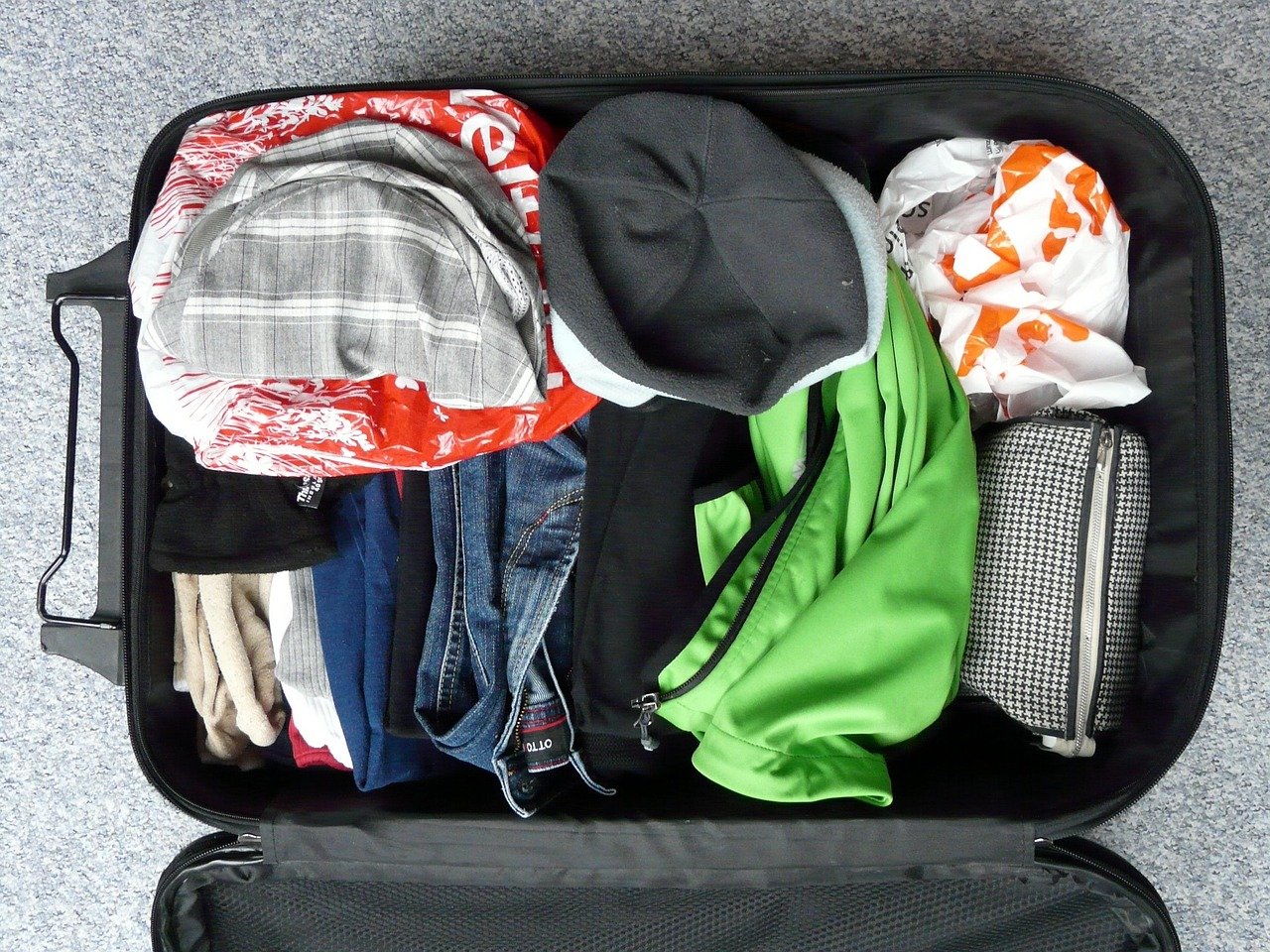
    Open suitcase packed with clothes
    Photo by Hans on Pixabay (source)

    Quick answer: pack your hospital bag by around 34 to 36 weeks. Bring your documents and phone charger, comfortable clothes and toiletries for you, a going-home outfit and a car seat for baby, and snacks and a few comforts for your birth partner. Hospitals supply many basics, so check what yours provides before you buy.

    Educational information only. Follow your hospital or birth center’s own list where it differs.

    When to pack

    Babies can arrive early, so many parents pack in the weeks before full term. Keep the bag by the door or in the car and tell your partner where it is.

    Documents and essentials

    • Photo ID and insurance or health card.
    • Hospital pre-registration papers.
    • Copy of your birth plan, if you have one, and your prenatal records if your provider advises it.
    • Phone and a long charging cable or small power bank.
    • A pen and a small notebook for questions and feeding notes.

    For mom during labor and the hospital stay

    Category Ideas
    Clothes Loose nightgown or button-front pajamas, robe, socks with grip, comfortable underwear, a going-home outfit in a roomy size
    Toiletries Toothbrush, hairbrush, hair ties, lip balm, deodorant, face wipes, glasses or contacts
    Recovery Heavy maternity pads (many hospitals provide them), nipple cream, nursing bras or tanks, a supportive pillow
    Comfort Own pillow with a colorful case, headphones, a playlist, hair clips
    Snacks Easy snacks and a refillable water bottle. Ask first about what you may eat in labor

    For baby

    • Car seat: installed before the due date. This is essential, and many places require it by law to take baby home.
    • Going-home outfit in newborn size, plus a backup in 0 to 3 months in case baby is bigger.
    • Two or three extra onesies, a hat, socks or mittens.
    • A weather-appropriate blanket for the ride home. Avoid thick layers under car seat straps.
    • Diapers and wipes, if your hospital asks you to bring them. Many provide them.

    For your birth partner

    • Change of clothes and a light jacket.
    • Toiletries, snacks and a water bottle.
    • Phone charger and cash or a card for parking and food.
    • A list of people to call or message.

    What you can leave at home

    You can skip most baby toiletries, a large amount of baby clothes, and any item the hospital already supplies. Ask your hospital during a tour or a prenatal visit what is provided, and what you must bring yourself.

    One-page packing checklist

    • ID, insurance card, hospital papers, birth plan.
    • Phone, long charger, notebook.
    • Robe, pajamas, socks, underwear, going-home clothes.
    • Toiletries, lip balm, hair ties, glasses.
    • Nursing bras, pads, nipple cream.
    • Snacks and water bottle.
    • Installed car seat, baby outfit, hat, blanket.
    • Partner’s clothes, snacks and charger.

    Adjust your bag for your birth plan

    Situation What to add or change
    Vaginal birth in a hospital Comfortable clothes, snacks, birth plan copies, a robe, nursing supplies
    Planned cesarean High-waisted loose underwear, loose clothes that avoid your incision, a small pillow to hold against your belly, a longer stay bag
    Birth center Check their list. Many ask you to bring your own towels, food and baby items
    Home birth with a hospital backup A smaller “just in case” bag with documents, phone charger and baby outfit, by the door

    Ask your hospital or birth center for their own packing list, because policies differ.

    Labor comfort items

    • A hair tie or clip, and a headband.
    • Lip balm, since hospital air can be dry.
    • A water bottle with a straw.
    • A small handheld fan or a cool cloth.
    • A playlist and headphones, or a tablet for calm shows.
    • A massage tool or tennis ball, if you like back pressure.

    Your care team will tell you what is allowed. For example, some hospitals limit food or drink during labor.

    Postpartum recovery items

    • Soft, dark, high-waisted underwear that you do not mind losing.
    • Heavy pads, if your hospital does not give you enough.
    • Nursing bras and breast pads, if you plan to breastfeed.
    • Slip-on shoes or slippers for walking the halls.
    • A comfortable, loose outfit for going home. It will probably still look pregnant, and that is normal.
    • Any prescribed medicines, and a list of questions for the doctor.

    Feeding supplies

    If you breastfeed, bring nipple cream and a nursing pillow if you like, and ask for lactation help during your stay. If you use formula, ask your hospital what they provide and what to bring. Pack your own bottles only if the hospital asks you to.

    When to leave for the hospital

    Your doctor or midwife will tell you when to come in, based on your health and your pregnancy. Many providers give guidance about contraction patterns, your waters breaking, bleeding or reduced baby movement. Write their instructions on a card and keep it with your bag. If you are unsure, call.

    Last-minute car and home checklist

    • Bag by the door or in the car, with the car seat installed.
    • Phone fully charged, with the hospital number saved.
    • Pets and older children cared for, and a plan for them.
    • A full tank of fuel, or a ride arranged.
    • Food at home ready for your return.

    Common packing mistakes

    • Packing too many clothes, when two or three outfits are enough.
    • Forgetting a phone charger.
    • Waiting until the due date to pack.
    • Not installing the car seat in advance.

    A packing timeline

    When What to do
    Around 28 weeks Make your list, and ask your hospital for its recommendations
    Around 32 weeks Buy anything missing, and install the car seat
    Around 34 to 36 weeks Pack the bag and keep it by the door
    Final weeks Add last-minute items such as phone, charger and documents

    Hospital rules and visitors

    Hospitals have different rules about visitors, photography and how many people can be in the room. Ask in advance, so that you can plan who will be with you. Some hospitals also have rules about what you can bring, such as candles or large electrical items. If you plan to take photos or video during the birth, check what is allowed.

    Keepsakes to bring

    • A small blanket for baby’s first photos.
    • A notebook or an album for first-day memories.
    • A hat or an outfit for a meaningful photo.
    • Your camera or phone, with enough storage.

    Items for the partner or support person

    A partner may be at the hospital for many hours. Pack a change of clothes, a phone charger, toiletries, snacks, cash or a card, and a pillow if allowed. Agree beforehand on their role, such as being in charge of photos, calls or the bag.

    Frequently asked questions

    Should I bring my own pillow?

    Many people find it comforting. Use a colorful pillowcase so it is not mixed up with hospital pillows.

    Do I need to bring baby diapers?

    It depends on your hospital. Ask when you pre-register and pack a small pack just in case.

    What if I have a planned cesarean?

    Pack the same items, plus high-waisted loose underwear and loose clothes that do not rub your incision. Ask your care team about the expected length of stay.

    Conclusion

    A packed bag brings peace of mind. Cover documents, comfort and a safe ride home first, then add the small extras that make your stay easier.

    References

    Read also

  • Pregnancy Announcement Ideas for Every Family

    Pregnancy Announcement Ideas for Every Family

    Two hands holding tiny white baby shoes
    Photo by reneeellisdesigns on Pixabay (source)

    Quick answer: the best pregnancy announcements feel like you. Choose a moment you are ready for, pick one simple idea (a photo, a card, a gift or a video), and tell the closest people first. Below are ideas for every family, budget and level of privacy.

    Decide when and how you want to share

    There is no rule about timing. Some people announce after the first ultrasound, others after 12 weeks, and others only when they are further along. It is your decision. Before you share widely, consider who you want to hear it from you first, what you are comfortable posting online, and how you would like to handle questions.

    Photo and social media ideas

    • Ultrasound picture: simple and classic. Add a short caption with the due date month.
    • Tiny shoes or a onesie: place them on a doorstep, a mantle or next to your partner’s shoes.
    • Family photo with a sign: “Our family is growing” or “Baby [last name] arriving in [month]”.
    • Pet announcement: your dog or cat wearing a “promoted to big sibling” bandana.
    • Calendar or season theme: a flower in spring, a pumpkin in autumn, a snow globe in winter.

    Ideas for telling your partner, grandparents and close family

    • A mug or a framed “Best grandparents” print.
    • A book gift such as a children’s story with a note inside.
    • A handwritten letter or a card in the mail.
    • A video call with a sign on the screen.
    • A dinner where the menu includes a “baby on board” surprise dessert.

    Announcing to older children

    Use simple, positive language and keep expectations realistic. Children may ask when the baby will arrive, and they may be excited or worried. A picture book about becoming a sibling can help. You could also give them a “big brother” or “big sister” shirt and take a photo together.

    Telling your workplace

    Check your leave policy first. Many people tell their manager in person or by a private meeting once they feel ready, and share a plan for coverage later. Keep a written note of the date you shared the news in case it is useful for leave paperwork.

    Budget ideas

    Idea Cost level Notes
    Handwritten card Very low Personal and easy to mail
    Phone photo with a printable sign Low Use daylight near a window
    Family dinner reveal Low to medium Add a dessert with a message
    Professional photoshoot Higher Optional. Not needed for a beautiful announcement

    Be sensitive to others

    Some people around you may be struggling with infertility or loss. Consider sharing privately with those you think may find the news hard, so that they can react in their own way and time.

    Protect your privacy

    • Avoid showing your address, hospital or exact due date in public photos.
    • Check who can see your post and tag settings.
    • Agree with your partner about what to share and what to keep private.

    Wording you can borrow

    Short captions are often best. Here are examples you can adapt.

    • “Our family is growing. Baby arriving in [month].”
    • “Hello, world. Our little one is coming this [season].”
    • “Best news ever. We are expecting!”
    • “Promoted to big sister. Baby is coming in [month].”
    • “Our hearts are full, and soon our arms will be too.”

    Match the announcement to the audience

    Who How you might tell them
    Partner In private, with a small gift, a note or a simple conversation
    Parents and siblings In person, by video call or with a creative gift
    Close friends A phone call or a message with a photo
    Wider circle A social media post or a card
    Work A private conversation with your manager first, then colleagues

    A simple announcement timeline

    1. Decide when you are comfortable sharing, and who should know first.
    2. Tell the closest people in person or by call.
    3. Prepare your photo or card.
    4. Share with your wider circle.
    5. Plan how you will respond to questions about names and due dates.

    Photo tips that work at home

    • Use natural light near a window.
    • Keep the background simple, such as a plain wall or a plant.
    • Use a tripod or lean the phone on a shelf with the timer on.
    • Take many photos, and choose the best.
    • Edit lightly, and avoid showing street names or hospital details.

    Do-it-yourself ideas

    • A hand-lettered chalkboard sign.
    • A cookie or cupcake with a message, for friends at a gathering.
    • A jigsaw puzzle that spells out the news.
    • A small jar with a note inside, handed to grandparents.

    When the news is complicated

    Some people announce after fertility treatment, after a previous loss, or when they are still anxious. It is completely valid to share quietly, to share late, or to share only with a few people. You do not owe anyone a public announcement. If you do post, you can say how you feel, for example “cautiously hopeful”, and it is fine to turn off comments.

    Handling comments and questions

    • Prepare a calm answer to personal questions, such as “We are keeping some details private.”
    • Do not feel pressure to share the name, due date or birth plan.
    • Mute or block unkind comments.

    Card and message templates

    If you send a card or a message, a few simple sentences are enough. Here are a few formats you can adapt.

    Style Example text
    Short and warm “We have some happy news. We are expecting a baby in [month].”
    Playful “Our family tree is getting a new branch.”
    For grandparents “Get ready for a new title: grandparent. Baby arrives in [month].”
    For friends “The best surprise is on its way, and we wanted you to know first.”

    Social media privacy checklist

    • Check who can see your post before you publish.
    • Turn off location tags on photos.
    • Avoid showing your address, hospital or exact due date.
    • Decide whether you want people to comment or tag you.
    • Agree with your partner on what you will share about the baby in the future.

    Blended and extended families

    In families with stepchildren, half-siblings or several households, think about the order in which you tell people. Children usually like to hear the news from their parents first, in a calm moment, with time to ask questions. Share positive details and avoid overwhelming them with plans.

    A short announcement video

    A short video can be simple: a few clips of the family, a sign with the news, and a few seconds of music. Keep it under a minute, and check that you have the right to use any music or images. Share it privately first, and then with a wider group if you wish.

    Frequently asked questions

    When should I announce my pregnancy?

    Whenever you feel ready. Some people wait until after the first trimester, others share earlier to receive support. Talk with your partner and, if you wish, your care provider.

    Do I have to post it on social media?

    No. A phone call, a card or a family dinner is just as meaningful.

    How do I announce without a due date?

    Use a season or month, such as “arriving this summer”, or simply say “baby coming soon”.

    Conclusion

    A good announcement is personal, kind and low-pressure. Choose the idea that feels natural, and enjoy the moment.

    Read also

  • A Complete Guide to Planning Your Baby Shower

    A Complete Guide to Planning Your Baby Shower

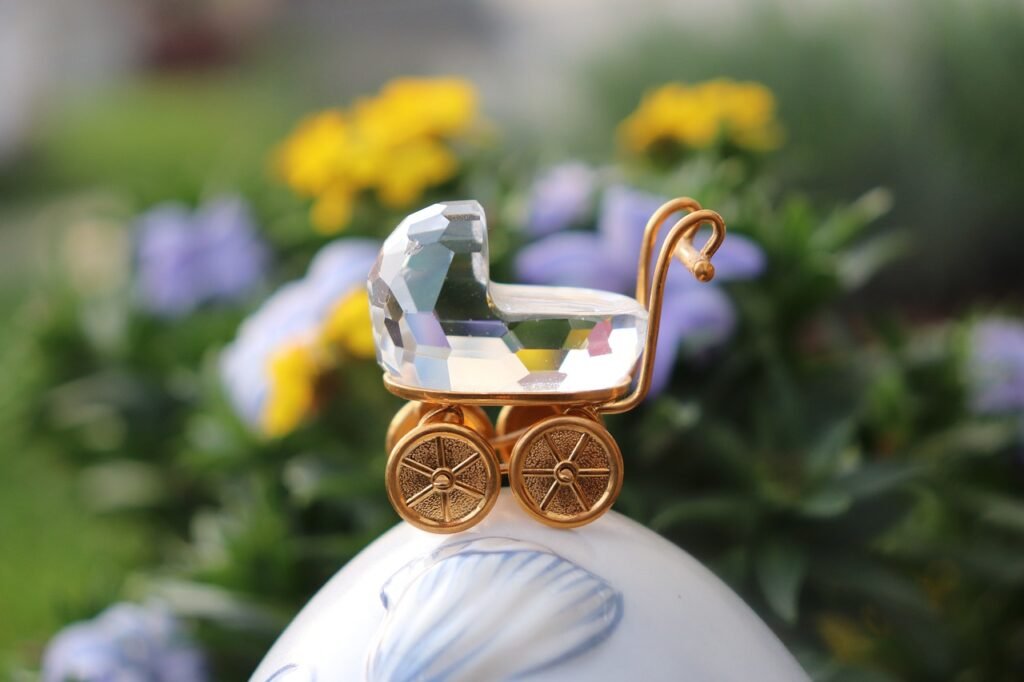
    Miniature gold baby carriage figurine surrounded by spring flowers
    Photo by Van3ssa_ on Pixabay (source)

    Quick answer: to plan a baby shower, choose the host and budget, set a date (many are held in the last two months of pregnancy), build the guest list, book a venue, plan food, games and decorations, share the registry, and send invitations 4 to 6 weeks ahead. Start with the guest of honor’s wishes.

    Step 1: Decide who hosts and what the budget is

    Friends, family or coworkers often host. Talk early about who pays for what. Keep the guest of honor involved, since some parents prefer a small casual gathering, a co-ed party or a virtual shower.

    Step 2: Pick the date and time

    Many showers are held between about 28 and 36 weeks of pregnancy, so the guest of honor is far along but not too close to the due date. Choose a weekend afternoon, avoid holidays, and allow two to three hours.

    Step 3: Build the guest list

    • Ask the parent-to-be for a list of must-invite people.
    • Keep the size to what the venue and budget allow.
    • Collect addresses or emails and track RSVPs in a simple spreadsheet.

    Step 4: Choose the venue

    A home, backyard, restaurant room, community hall or café can all work. Check accessibility, parking, seating and a quiet spot for the guest of honor to rest.

    Step 5: Set a sample budget

    The table below shows one way to divide a budget. These percentages are a planning example, not a statistic, so adjust them to your situation.

    Category Example share of budget
    Food and drinks 40%
    Venue or rentals 20%
    Decorations 15%
    Invitations and favors 10%
    Games and activities 5%
    Extra or reserve 10%

    Step 6: Plan food and drinks

    Offer a mix of light foods such as finger sandwiches, fruit, salads, cheese boards and desserts. Ask about allergies and dietary needs. Include non-alcoholic drinks that everyone can enjoy, especially the guest of honor.

    Step 7: Choose a theme and decor

    Pick a color palette first, such as soft pink and sage, neutral tones or a simple storybook theme. A balloon garland, flowers, a welcome sign and a photo corner are enough to make a space feel special.

    Step 8: Plan games and activities

    • Guess the baby photo or “Who said it?”
    • Advice cards or a wishes jar for the parents.
    • A book-instead-of-card table, where guests write a note in a children’s book.
    • Keep games optional so that nobody feels pressured.

    Step 9: Share the registry and send invitations

    Send invitations 4 to 6 weeks before the date with a clear address, time, RSVP date and the registry link. Include a gentle note about gift preferences, such as diapers or books.

    Step 10: Day-of timeline and thank-you notes

    Time What happens
    1 hour before Set up food, decor and gift table
    Start Welcome guests and serve drinks
    Middle Food, games, opening gifts if the guest of honor wishes
    End Photos, cake and thank-you to guests

    Keep a list of who gave what, and send thank-you notes within a few weeks.

    Baby shower planning checklist

    • Host, budget and date confirmed.
    • Guest list and RSVP tracker.
    • Venue, food and drinks booked.
    • Decor, games and favors ready.
    • Invitations sent 4 to 6 weeks ahead.
    • Registry link shared.
    • Thank-you notes planned.

    Types of baby showers

    Type Best for
    Classic shower Family and friends, with food, games and gifts
    Co-ed shower Couples and mixed groups
    Virtual shower Guests who live far away
    Diaper party Guests bring diapers and wipes, which keeps it simple
    Sip and see A relaxed gathering after the baby is born

    A sample menu

    • Brunch: fruit salad, mini quiches, pastries, yogurt cups and juice.
    • Afternoon tea: finger sandwiches, scones, small cakes and tea.
    • Dinner buffet: pasta salad, roasted vegetables, a green salad and a dessert table.

    Offer at least one vegetarian option, label foods that contain common allergens, and provide non-alcoholic drinks for the guest of honor and others.

    Game ideas in more detail

    • Baby photo match: guests guess which baby photo belongs to which adult.
    • Wishes for baby: each guest writes a short wish or piece of advice on a card.
    • Bingo: guests fill in a card with gifts, and mark them as the parent opens them.
    • Memory tray: show baby items on a tray, cover it, and ask guests to list as many as they remember.

    Keep games light and optional.

    Making the shower inclusive

    • Choose a venue with step-free access and seating.
    • Ask about dietary needs when guests respond to the invitation.
    • Be thoughtful about guests who may be struggling with infertility or loss, and make the event easy to leave quietly.
    • Avoid games that involve touching the guest of honor’s belly or personal measurements.

    What to have on the day

    • Plates, cups, napkins and cutlery, plus a trash bag.
    • A gift table, and a notebook to record who gave what.
    • A camera or phone, and someone to take photos.
    • Name tags, if guests do not all know one another.
    • A comfortable chair for the guest of honor.

    Thank-you notes

    A short, personal note is best. Mention the gift, say how you will use it, and thank them for coming. Many parents write a few notes each day in the weeks after the shower. A simple example: “Thank you for the soft blanket. We love it, and it will keep our baby warm. We were so happy to celebrate with you.”

    Common mistakes to avoid

    • Inviting more people than the venue or budget can handle.
    • Planning too many games, which tires the guest of honor.
    • Not confirming the date with close family.
    • Forgetting to plan help for clean-up.

    Questions to ask a venue

    • What is the maximum number of guests?
    • Is there a charge, and what does it include?
    • Can we bring our own food and decorations?
    • Is the space accessible, with parking and restrooms?
    • What is the cancellation policy?

    A rain plan for outdoor showers

    If you plan an outdoor shower, prepare a backup, such as a tent or an indoor room. Check the forecast a few days before, and tell guests where to go if the weather changes.

    Frequently asked questions

    Who usually pays for a baby shower?

    The host or hosts, though costs are often shared. There is no strict rule.

    Is it okay to have a shower after the baby is born?

    Yes. Some families prefer a “sip and see” after birth, or skip a shower entirely.

    How many guests should I invite?

    Choose the number that fits your space and budget, and the comfort of the guest of honor.

    Conclusion

    A good baby shower is warm and relaxed. Focus on the people, keep the budget clear, and let the guest of honor enjoy the day.

    Read also

  • First Trimester Pregnancy Checklist for New Moms

    First Trimester Pregnancy Checklist for New Moms

    Pregnant woman in a pink dress cradling her belly in a garden
    Photo by Marncom on Pixabay (source)

    Quick answer: in the first trimester (roughly weeks 1 to 13), the most useful things you can do are confirm your pregnancy with a health professional, book your first prenatal appointment, take folic acid or a prenatal vitamin, review medications and habits with your provider, follow food safety basics, and know which symptoms need a same-day call.

    Educational information only. It does not replace advice from your doctor or midwife. Medical review: pending.

    Confirm the pregnancy and book your first appointment

    A positive home test is a good sign, but your care provider will confirm it and start your records. Call your doctor, midwife or clinic as soon as you can. Many practices schedule the first visit somewhere between 8 and 12 weeks, though some see you earlier if you have a medical history or symptoms. Ask when the first visit will be and what to bring.

    Before the visit, write down:

    • The first day of your last menstrual period.
    • Your medical history, including past pregnancies, surgeries and chronic conditions.
    • Every medication, vitamin and supplement you take.
    • Family history of genetic conditions, if you know it.

    Start or continue folic acid and a prenatal vitamin

    Health agencies such as the CDC and the NHS advise people who could become pregnant to take 400 micrograms of folic acid daily, because it helps reduce the risk of certain birth defects of the brain and spine. Many prenatal vitamins contain it. Ask your provider which product and dose suit you, especially if you have a medical condition or a previous pregnancy affected by a neural tube defect, since the advice can differ.

    Review medications, supplements and habits

    Do not stop a prescribed medicine on your own. Instead, call your provider early and ask what is safe to continue. Also ask about herbal products and over-the-counter remedies, because “natural” does not always mean safe in pregnancy.

    • Alcohol: the CDC states there is no known safe amount of alcohol during pregnancy.
    • Smoking and vaping: ask your provider for support to quit. Many clinics offer free help.
    • Caffeine: ACOG says that under 200 mg a day is considered a moderate amount. That is roughly one 12 oz cup of coffee, although caffeine content varies a lot.

    Eat and drink with food safety in mind

    Your immune system changes in pregnancy, so some foods carry a higher risk of infections such as listeria or toxoplasmosis. The table below summarizes common guidance from health agencies. Check local advice, because recommendations vary slightly by country.

    Be careful with Why Safer approach
    Raw or undercooked meat, fish and eggs Risk of bacteria and parasites Cook until fully done
    Unpasteurized milk and soft cheeses made from it Listeria risk Choose pasteurized products
    Cold deli meats and smoked fish Listeria risk Heat deli meat until steaming hot
    High-mercury fish (such as swordfish, shark, king mackerel) Mercury can affect baby’s developing nervous system Choose lower-mercury fish and follow local guidance
    Unwashed produce Soil and bacteria Wash fruits and vegetables well

    Manage common first trimester symptoms

    Nausea, tiredness, sore breasts, frequent urination and mood swings are common, and some people have few symptoms at all. Having fewer symptoms is not by itself a sign of a problem.

    • Nausea: eat small, frequent meals, keep plain snacks by the bed, sip fluids through the day and rest when you can. If you cannot keep fluids down, call your provider.
    • Fatigue: go to bed earlier and lower your expectations for a few weeks. It often improves in the second trimester.
    • Constipation: fiber, water and gentle walking help. Ask before using any remedy.

    Know when to call your provider

    Contact your doctor, midwife or emergency services right away if you have heavy vaginal bleeding, severe or one-sided abdominal pain, fever, fainting, severe vomiting that stops you keeping fluids down, or anything that worries you. Trust your instincts and call.

    Plan the practical side

    • Check what your health insurance or national system covers.
    • Read your workplace policy on leave and decide when you want to share the news.
    • Start a simple budget for appointments and baby costs.
    • Choose one trusted person to talk to about how you feel.

    Your first trimester checklist

    • Confirm pregnancy and book the first prenatal visit.
    • Start folic acid or a prenatal vitamin as advised.
    • Review all medications and supplements with your provider.
    • Stop alcohol and tobacco, and ask for help if needed.
    • Follow food safety guidance.
    • Save your provider’s urgent contact number in your phone.
    • Check insurance and leave policies.
    • Rest, hydrate and be kind to yourself.

    What happens week by week

    Pregnancy is counted from the first day of your last menstrual period, so you are already “four weeks pregnant” when you miss a period. The timeline below is a general picture. Every pregnancy is different, and your provider may date yours by ultrasound.

    Weeks What commonly happens
    1 to 4 Ovulation, fertilization and implantation. A missed period is often the first sign.
    5 to 8 The embryo’s heart begins to beat, and an early ultrasound can often show a heartbeat around 6 to 7 weeks. Nausea and tiredness often start.
    9 to 13 Major organs have formed, and many people begin to feel a little better toward the end of the trimester.

    Questions to ask at your first appointment

    It is easy to forget questions in the room. Write them in your phone and bring them along.

    • Which tests and screenings do you recommend, and when?
    • Which medicines, vitamins and supplements are safe for me?
    • What symptoms should make me call you the same day?
    • Who do I call after hours, and how do I reach you?
    • Is there anything about my health history that changes my care?
    • What are my options for where and how I give birth?

    Looking after your emotions

    It is normal to feel excited, anxious, tearful or all three on the same day. Hormones, tiredness and big life changes all play a part. A few things that help many people:

    • Talk with someone you trust, and be honest about how you feel.
    • Keep gentle movement in your day, such as walking, if your provider says it is fine for you.
    • Limit doom-scrolling on forums, and use official sources for facts.
    • Tell your provider if low mood, worry or fear is constant or hard to manage. Support is available, and it is part of good prenatal care.

    Involving your partner or support person

    If you have a partner, family member or close friend, invite them into the process. They can come to appointments, help with meals when you feel sick, and take over chores. Ask them to read the same guides you do, so that you are working from the same information.

    Use this as a printable first trimester checklist

    You can print this page (Ctrl+P, or Share and Print on your phone) or copy the checklist above into your notes app. Tick items off as you go, and bring the list to your first prenatal appointment, together with your questions. Review it again at around 10 to 12 weeks, because your priorities may change as symptoms and appointments move forward.

    Frequently asked questions

    When should my first prenatal appointment be?

    Many practices book it between 8 and 12 weeks, but timing differs by country and clinic. Call as soon as you know you are pregnant and follow their advice.

    Is it normal to have no pregnancy symptoms?

    Yes, symptoms vary widely. If you have heavy bleeding or severe pain, call your provider, but a lack of symptoms alone is usually not a concern. Ask your provider if you are worried.

    How much caffeine is okay?

    ACOG advises keeping caffeine under 200 mg a day. Remember that tea, soda, chocolate and some medicines also contain caffeine.

    Conclusion

    The first trimester can feel overwhelming, but a short list of steps covers most of what matters: see a provider, take folic acid, review medicines, eat safely and know the warning signs. Take it one week at a time.

    References

    Read also