Author: Tender Nest Editorial

  • Beautiful Baby Girl Names and Their Meanings

    Beautiful Baby Girl Names and Their Meanings

    Newborn baby girl with a pink flower headband sleeping on a white fur blanket
    Photo by Virvoreanu-Laurentiu on Pixabay (source)

    Quick answer: below are 24 beautiful baby girl names grouped by style, each with its origin and meaning. Meanings are simplified, and the origins of some names are debated, so treat this list as a starting point for your own research.

    How we chose these names

    We picked names that are easy to spell and say in English, have a clear and positive meaning, and come from many traditions. We have not measured how popular each name is, because we do not have a verified data source for that yet. If popularity matters to you, check the official records in your country.

    Classic and elegant girl names

    Name Origin Meaning
    Sophia Greek Wisdom
    Isabella Hebrew Pledged to God
    Charlotte French Free man (feminine form)
    Amelia Germanic Work
    Emma Germanic Whole, universal
    Clara Latin Bright, clear
    Grace Latin Grace, goodwill
    Stella Latin Star

    Classic names tend to age well. They suit many ages and professions, and they often have friendly nicknames, such as Millie for Amelia or Izzy for Isabella.

    Nature-inspired girl names

    Name Origin Meaning
    Luna Latin Moon
    Aurora Latin Dawn
    Iris Greek Rainbow
    Violet English The violet flower
    Hazel English The hazel tree
    Ivy English The ivy plant
    Lily English The lily flower
    Olivia Latin Olive tree

    Biblical and spiritual girl names

    Name Origin Meaning
    Hannah Hebrew Grace, favor
    Naomi Hebrew Pleasantness
    Sarah Hebrew Princess
    Esther Persian Star
    Abigail Hebrew My father is joy

    Short and sweet girl names

    Short names are easy to write and pronounce in many languages. Mia (Italian, “mine”) and Zoe (Greek, “life”) are two examples. Both pair well with long surnames.

    Tips for choosing from this list

    • Say the full name aloud with your surname.
    • Write it down, and check how it looks with your child’s initials.
    • Think about nicknames you may like, and ones you may not.
    • Check that the meaning feels right for your family.

    Want more options? Use our baby name finder to filter by origin, style and meaning.

    More girl names by theme

    Joy, virtue and good fortune

    Name Origin Meaning
    Felicity Latin Good fortune, happiness
    Beatrice Latin She who brings happiness
    Victoria Latin Victory
    Anna Hebrew Grace

    Light and brightness

    Lucy (Latin, “light”) joins Clara and Aurora from the lists above. These names suit parents who like a bright, hopeful meaning.

    Vintage names making a comeback

    Name Origin Meaning
    Ada Germanic Noble
    Adelaide Germanic Noble kind
    Josephine Hebrew, via French God will add
    Margaret Greek Pearl

    Flower names

    Rose and Daisy are classic flower names, joining Lily, Violet and Iris. They are simple to spell, friendly and timeless.

    Nickname guide

    Think about the nicknames your child may get, even if you plan to use the full name. This table shows common short forms.

    Full name Common nicknames
    Isabella Bella, Izzy, Belle
    Charlotte Charlie, Lottie
    Amelia Millie, Amy
    Abigail Abby, Gail
    Olivia Liv, Livvy
    Victoria Vicky, Tori
    Josephine Josie, Jo

    Pairing with a middle name

    A middle name can add meaning, honor a relative or help balance the sound of the full name. A few tips:

    • If the first name is long, a short middle name keeps it smooth, such as Charlotte Rose.
    • If the first name is short, a longer middle name adds rhythm, such as Mia Josephine.
    • Avoid ending the first name and starting the next name with the same sound, which can blur when spoken.
    • Use a family name as a middle name if you want a meaningful link without making it the main name.

    Classic or trendy?

    Trendy names can feel fresh, but they also tie your child to a particular moment. Classic names tend to feel steady over the years. You do not have to choose only one, because many parents pick a classic first name with a modern middle name, or the other way round.

    How to check a name’s meaning

    • Check more than one source, because meanings can vary.
    • Look for the language and the time period of the name’s roots.
    • Be cautious with websites that give a single, very confident meaning for a name with a debated origin.
    • If the name belongs to a culture you are not part of, ask a speaker or a trusted source about pronunciation and usage.

    Names by sound

    Sometimes the sound of a name matters as much as its meaning. Here are a few ways to think about it.

    Sound style Examples
    Soft and flowing Luna, Aurora, Eliana, Lily
    Crisp and strong Grace, Clara, Stella
    Long and melodic Isabella, Amelia, Josephine
    Short and simple Mia, Zoe, Ada, Ivy

    Names that work in many languages

    If your family speaks more than one language, look for names that are easy to say in each. Anna, Sofia, Clara and Mia are used in many countries, with small changes in spelling and pronunciation. Say the name aloud in each language to check that it sounds natural.

    Spelling variations to consider

    • Sophia and Sofia are two common spellings of the same name.
    • Isabella is also used as Isabel, Isabelle and Isabela.
    • Clara may be spelled Klara in some languages.

    Pick the spelling you prefer, and use it consistently. A simpler spelling is easier for others to remember.

    Honoring a family member

    You can honor a grandmother or another relative by using her name as a first name, a middle name, or in a modern form. If the name feels old-fashioned, a nickname or a different spelling can give it a fresh feel while keeping the connection.

    A quick decision guide

    1. Choose five names you like.
    2. Say each aloud with your surname.
    3. Write them down and check the initials.
    4. Think of nicknames you like and do not like.
    5. Wait a few days, and see which name still feels right.

    Think about how the name will be used at school

    Teachers, friends and colleagues will say your child’s name for many years. Choose a name that is easy to read aloud, and think about how others might shorten it. If the name has an unusual spelling, be prepared to spell it often, and consider whether you are comfortable with that.

    Frequently asked questions

    Are name meanings always certain?

    No. Many names have more than one explanation, and meanings change across languages. When a meaning is debated, we say so or use a cautious wording.

    What makes a name unique?

    A name is unique if few people around you share it. That depends on your country and community, so check local records.

    Should I choose a name before the baby is born?

    Some families decide during pregnancy, others wait to meet the baby. Both are fine. Keep a short list of two or three favorites.

    Conclusion

    The best name is one you love saying every day. Use this list for inspiration, then test your favorites aloud and with your surname.


    Read also

  • A Complete Guide to Planning Your Baby Shower

    A Complete Guide to Planning Your Baby Shower

    Miniature gold baby carriage figurine surrounded by spring flowers
    Photo by Van3ssa_ on Pixabay (source)

    Quick answer: to plan a baby shower, choose the host and budget, set a date (many are held in the last two months of pregnancy), build the guest list, book a venue, plan food, games and decorations, share the registry, and send invitations 4 to 6 weeks ahead. Start with the guest of honor’s wishes.

    Step 1: Decide who hosts and what the budget is

    Friends, family or coworkers often host. Talk early about who pays for what. Keep the guest of honor involved, since some parents prefer a small casual gathering, a co-ed party or a virtual shower.

    Step 2: Pick the date and time

    Many showers are held between about 28 and 36 weeks of pregnancy, so the guest of honor is far along but not too close to the due date. Choose a weekend afternoon, avoid holidays, and allow two to three hours.

    Step 3: Build the guest list

    • Ask the parent-to-be for a list of must-invite people.
    • Keep the size to what the venue and budget allow.
    • Collect addresses or emails and track RSVPs in a simple spreadsheet.

    Step 4: Choose the venue

    A home, backyard, restaurant room, community hall or café can all work. Check accessibility, parking, seating and a quiet spot for the guest of honor to rest.

    Step 5: Set a sample budget

    The table below shows one way to divide a budget. These percentages are a planning example, not a statistic, so adjust them to your situation.

    Category Example share of budget
    Food and drinks 40%
    Venue or rentals 20%
    Decorations 15%
    Invitations and favors 10%
    Games and activities 5%
    Extra or reserve 10%

    Step 6: Plan food and drinks

    Offer a mix of light foods such as finger sandwiches, fruit, salads, cheese boards and desserts. Ask about allergies and dietary needs. Include non-alcoholic drinks that everyone can enjoy, especially the guest of honor.

    Step 7: Choose a theme and decor

    Pick a color palette first, such as soft pink and sage, neutral tones or a simple storybook theme. A balloon garland, flowers, a welcome sign and a photo corner are enough to make a space feel special.

    Step 8: Plan games and activities

    • Guess the baby photo or “Who said it?”
    • Advice cards or a wishes jar for the parents.
    • A book-instead-of-card table, where guests write a note in a children’s book.
    • Keep games optional so that nobody feels pressured.

    Step 9: Share the registry and send invitations

    Send invitations 4 to 6 weeks before the date with a clear address, time, RSVP date and the registry link. Include a gentle note about gift preferences, such as diapers or books.

    Step 10: Day-of timeline and thank-you notes

    Time What happens
    1 hour before Set up food, decor and gift table
    Start Welcome guests and serve drinks
    Middle Food, games, opening gifts if the guest of honor wishes
    End Photos, cake and thank-you to guests

    Keep a list of who gave what, and send thank-you notes within a few weeks.

    Baby shower planning checklist

    • Host, budget and date confirmed.
    • Guest list and RSVP tracker.
    • Venue, food and drinks booked.
    • Decor, games and favors ready.
    • Invitations sent 4 to 6 weeks ahead.
    • Registry link shared.
    • Thank-you notes planned.

    Types of baby showers

    Type Best for
    Classic shower Family and friends, with food, games and gifts
    Co-ed shower Couples and mixed groups
    Virtual shower Guests who live far away
    Diaper party Guests bring diapers and wipes, which keeps it simple
    Sip and see A relaxed gathering after the baby is born

    A sample menu

    • Brunch: fruit salad, mini quiches, pastries, yogurt cups and juice.
    • Afternoon tea: finger sandwiches, scones, small cakes and tea.
    • Dinner buffet: pasta salad, roasted vegetables, a green salad and a dessert table.

    Offer at least one vegetarian option, label foods that contain common allergens, and provide non-alcoholic drinks for the guest of honor and others.

    Game ideas in more detail

    • Baby photo match: guests guess which baby photo belongs to which adult.
    • Wishes for baby: each guest writes a short wish or piece of advice on a card.
    • Bingo: guests fill in a card with gifts, and mark them as the parent opens them.
    • Memory tray: show baby items on a tray, cover it, and ask guests to list as many as they remember.

    Keep games light and optional.

    Making the shower inclusive

    • Choose a venue with step-free access and seating.
    • Ask about dietary needs when guests respond to the invitation.
    • Be thoughtful about guests who may be struggling with infertility or loss, and make the event easy to leave quietly.
    • Avoid games that involve touching the guest of honor’s belly or personal measurements.

    What to have on the day

    • Plates, cups, napkins and cutlery, plus a trash bag.
    • A gift table, and a notebook to record who gave what.
    • A camera or phone, and someone to take photos.
    • Name tags, if guests do not all know one another.
    • A comfortable chair for the guest of honor.

    Thank-you notes

    A short, personal note is best. Mention the gift, say how you will use it, and thank them for coming. Many parents write a few notes each day in the weeks after the shower. A simple example: “Thank you for the soft blanket. We love it, and it will keep our baby warm. We were so happy to celebrate with you.”

    Common mistakes to avoid

    • Inviting more people than the venue or budget can handle.
    • Planning too many games, which tires the guest of honor.
    • Not confirming the date with close family.
    • Forgetting to plan help for clean-up.

    Questions to ask a venue

    • What is the maximum number of guests?
    • Is there a charge, and what does it include?
    • Can we bring our own food and decorations?
    • Is the space accessible, with parking and restrooms?
    • What is the cancellation policy?

    A rain plan for outdoor showers

    If you plan an outdoor shower, prepare a backup, such as a tent or an indoor room. Check the forecast a few days before, and tell guests where to go if the weather changes.

    Frequently asked questions

    Who usually pays for a baby shower?

    The host or hosts, though costs are often shared. There is no strict rule.

    Is it okay to have a shower after the baby is born?

    Yes. Some families prefer a “sip and see” after birth, or skip a shower entirely.

    How many guests should I invite?

    Choose the number that fits your space and budget, and the comfort of the guest of honor.

    Conclusion

    A good baby shower is warm and relaxed. Focus on the people, keep the budget clear, and let the guest of honor enjoy the day.

    Read also

  • Pregnancy Announcement Ideas for Every Family

    Pregnancy Announcement Ideas for Every Family

    Two hands holding tiny white baby shoes
    Photo by reneeellisdesigns on Pixabay (source)

    Quick answer: the best pregnancy announcements feel like you. Choose a moment you are ready for, pick one simple idea (a photo, a card, a gift or a video), and tell the closest people first. Below are ideas for every family, budget and level of privacy.

    Decide when and how you want to share

    There is no rule about timing. Some people announce after the first ultrasound, others after 12 weeks, and others only when they are further along. It is your decision. Before you share widely, consider who you want to hear it from you first, what you are comfortable posting online, and how you would like to handle questions.

    Photo and social media ideas

    • Ultrasound picture: simple and classic. Add a short caption with the due date month.
    • Tiny shoes or a onesie: place them on a doorstep, a mantle or next to your partner’s shoes.
    • Family photo with a sign: “Our family is growing” or “Baby [last name] arriving in [month]”.
    • Pet announcement: your dog or cat wearing a “promoted to big sibling” bandana.
    • Calendar or season theme: a flower in spring, a pumpkin in autumn, a snow globe in winter.

    Ideas for telling your partner, grandparents and close family

    • A mug or a framed “Best grandparents” print.
    • A book gift such as a children’s story with a note inside.
    • A handwritten letter or a card in the mail.
    • A video call with a sign on the screen.
    • A dinner where the menu includes a “baby on board” surprise dessert.

    Announcing to older children

    Use simple, positive language and keep expectations realistic. Children may ask when the baby will arrive, and they may be excited or worried. A picture book about becoming a sibling can help. You could also give them a “big brother” or “big sister” shirt and take a photo together.

    Telling your workplace

    Check your leave policy first. Many people tell their manager in person or by a private meeting once they feel ready, and share a plan for coverage later. Keep a written note of the date you shared the news in case it is useful for leave paperwork.

    Budget ideas

    Idea Cost level Notes
    Handwritten card Very low Personal and easy to mail
    Phone photo with a printable sign Low Use daylight near a window
    Family dinner reveal Low to medium Add a dessert with a message
    Professional photoshoot Higher Optional. Not needed for a beautiful announcement

    Be sensitive to others

    Some people around you may be struggling with infertility or loss. Consider sharing privately with those you think may find the news hard, so that they can react in their own way and time.

    Protect your privacy

    • Avoid showing your address, hospital or exact due date in public photos.
    • Check who can see your post and tag settings.
    • Agree with your partner about what to share and what to keep private.

    Wording you can borrow

    Short captions are often best. Here are examples you can adapt.

    • “Our family is growing. Baby arriving in [month].”
    • “Hello, world. Our little one is coming this [season].”
    • “Best news ever. We are expecting!”
    • “Promoted to big sister. Baby is coming in [month].”
    • “Our hearts are full, and soon our arms will be too.”

    Match the announcement to the audience

    Who How you might tell them
    Partner In private, with a small gift, a note or a simple conversation
    Parents and siblings In person, by video call or with a creative gift
    Close friends A phone call or a message with a photo
    Wider circle A social media post or a card
    Work A private conversation with your manager first, then colleagues

    A simple announcement timeline

    1. Decide when you are comfortable sharing, and who should know first.
    2. Tell the closest people in person or by call.
    3. Prepare your photo or card.
    4. Share with your wider circle.
    5. Plan how you will respond to questions about names and due dates.

    Photo tips that work at home

    • Use natural light near a window.
    • Keep the background simple, such as a plain wall or a plant.
    • Use a tripod or lean the phone on a shelf with the timer on.
    • Take many photos, and choose the best.
    • Edit lightly, and avoid showing street names or hospital details.

    Do-it-yourself ideas

    • A hand-lettered chalkboard sign.
    • A cookie or cupcake with a message, for friends at a gathering.
    • A jigsaw puzzle that spells out the news.
    • A small jar with a note inside, handed to grandparents.

    When the news is complicated

    Some people announce after fertility treatment, after a previous loss, or when they are still anxious. It is completely valid to share quietly, to share late, or to share only with a few people. You do not owe anyone a public announcement. If you do post, you can say how you feel, for example “cautiously hopeful”, and it is fine to turn off comments.

    Handling comments and questions

    • Prepare a calm answer to personal questions, such as “We are keeping some details private.”
    • Do not feel pressure to share the name, due date or birth plan.
    • Mute or block unkind comments.

    Card and message templates

    If you send a card or a message, a few simple sentences are enough. Here are a few formats you can adapt.

    Style Example text
    Short and warm “We have some happy news. We are expecting a baby in [month].”
    Playful “Our family tree is getting a new branch.”
    For grandparents “Get ready for a new title: grandparent. Baby arrives in [month].”
    For friends “The best surprise is on its way, and we wanted you to know first.”

    Social media privacy checklist

    • Check who can see your post before you publish.
    • Turn off location tags on photos.
    • Avoid showing your address, hospital or exact due date.
    • Decide whether you want people to comment or tag you.
    • Agree with your partner on what you will share about the baby in the future.

    Blended and extended families

    In families with stepchildren, half-siblings or several households, think about the order in which you tell people. Children usually like to hear the news from their parents first, in a calm moment, with time to ask questions. Share positive details and avoid overwhelming them with plans.

    A short announcement video

    A short video can be simple: a few clips of the family, a sign with the news, and a few seconds of music. Keep it under a minute, and check that you have the right to use any music or images. Share it privately first, and then with a wider group if you wish.

    Frequently asked questions

    When should I announce my pregnancy?

    Whenever you feel ready. Some people wait until after the first trimester, others share earlier to receive support. Talk with your partner and, if you wish, your care provider.

    Do I have to post it on social media?

    No. A phone call, a card or a family dinner is just as meaningful.

    How do I announce without a due date?

    Use a season or month, such as “arriving this summer”, or simply say “baby coming soon”.

    Conclusion

    A good announcement is personal, kind and low-pressure. Choose the idea that feels natural, and enjoy the moment.

    Read also

  • Hospital Bag Checklist for Mom and Baby

    Hospital Bag Checklist for Mom and Baby

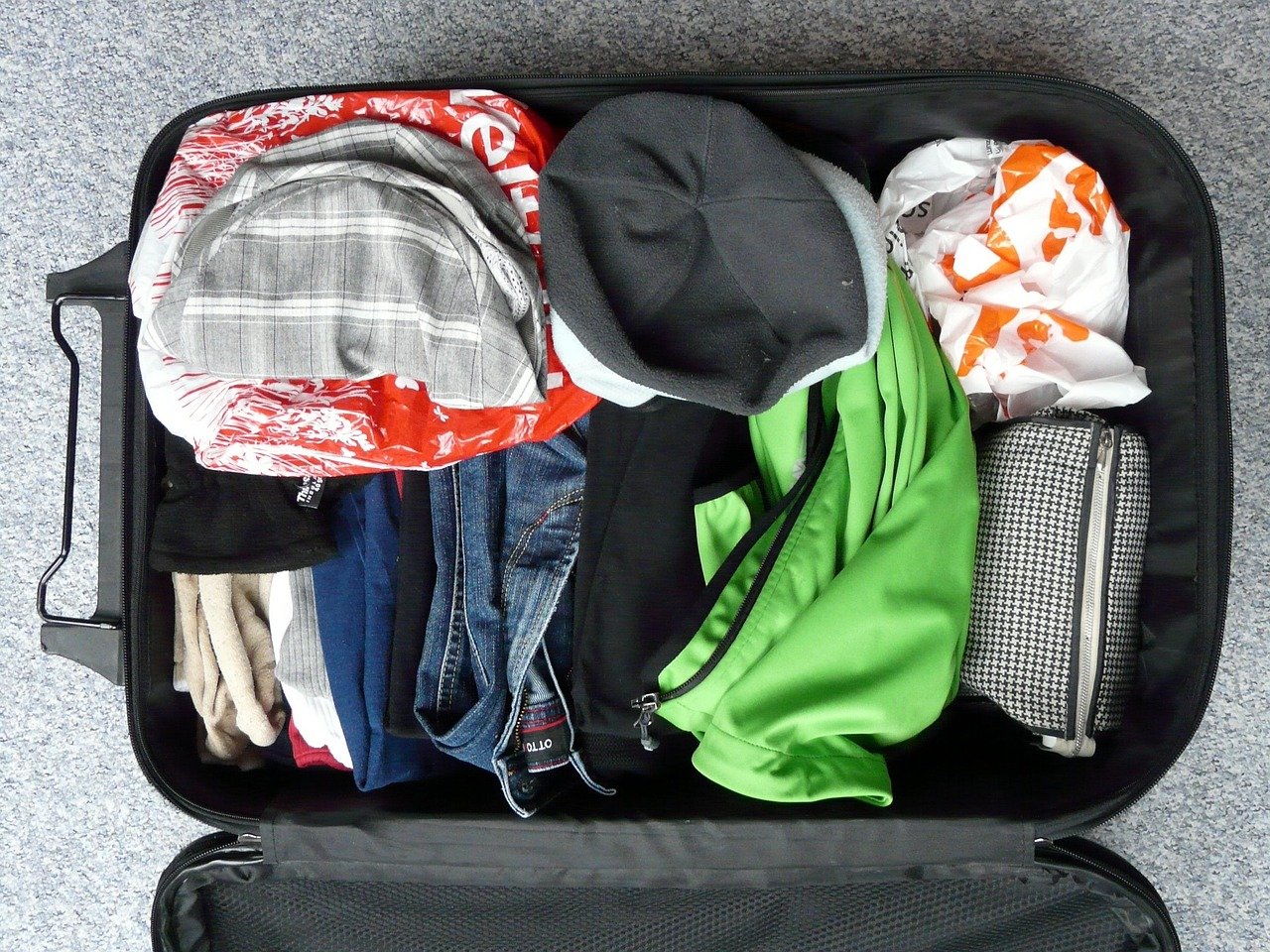
    Open suitcase packed with clothes
    Photo by Hans on Pixabay (source)

    Quick answer: pack your hospital bag by around 34 to 36 weeks. Bring your documents and phone charger, comfortable clothes and toiletries for you, a going-home outfit and a car seat for baby, and snacks and a few comforts for your birth partner. Hospitals supply many basics, so check what yours provides before you buy.

    Educational information only. Follow your hospital or birth center’s own list where it differs.

    When to pack

    Babies can arrive early, so many parents pack in the weeks before full term. Keep the bag by the door or in the car and tell your partner where it is.

    Documents and essentials

    • Photo ID and insurance or health card.
    • Hospital pre-registration papers.
    • Copy of your birth plan, if you have one, and your prenatal records if your provider advises it.
    • Phone and a long charging cable or small power bank.
    • A pen and a small notebook for questions and feeding notes.

    For mom during labor and the hospital stay

    Category Ideas
    Clothes Loose nightgown or button-front pajamas, robe, socks with grip, comfortable underwear, a going-home outfit in a roomy size
    Toiletries Toothbrush, hairbrush, hair ties, lip balm, deodorant, face wipes, glasses or contacts
    Recovery Heavy maternity pads (many hospitals provide them), nipple cream, nursing bras or tanks, a supportive pillow
    Comfort Own pillow with a colorful case, headphones, a playlist, hair clips
    Snacks Easy snacks and a refillable water bottle. Ask first about what you may eat in labor

    For baby

    • Car seat: installed before the due date. This is essential, and many places require it by law to take baby home.
    • Going-home outfit in newborn size, plus a backup in 0 to 3 months in case baby is bigger.
    • Two or three extra onesies, a hat, socks or mittens.
    • A weather-appropriate blanket for the ride home. Avoid thick layers under car seat straps.
    • Diapers and wipes, if your hospital asks you to bring them. Many provide them.

    For your birth partner

    • Change of clothes and a light jacket.
    • Toiletries, snacks and a water bottle.
    • Phone charger and cash or a card for parking and food.
    • A list of people to call or message.

    What you can leave at home

    You can skip most baby toiletries, a large amount of baby clothes, and any item the hospital already supplies. Ask your hospital during a tour or a prenatal visit what is provided, and what you must bring yourself.

    One-page packing checklist

    • ID, insurance card, hospital papers, birth plan.
    • Phone, long charger, notebook.
    • Robe, pajamas, socks, underwear, going-home clothes.
    • Toiletries, lip balm, hair ties, glasses.
    • Nursing bras, pads, nipple cream.
    • Snacks and water bottle.
    • Installed car seat, baby outfit, hat, blanket.
    • Partner’s clothes, snacks and charger.

    Adjust your bag for your birth plan

    Situation What to add or change
    Vaginal birth in a hospital Comfortable clothes, snacks, birth plan copies, a robe, nursing supplies
    Planned cesarean High-waisted loose underwear, loose clothes that avoid your incision, a small pillow to hold against your belly, a longer stay bag
    Birth center Check their list. Many ask you to bring your own towels, food and baby items
    Home birth with a hospital backup A smaller “just in case” bag with documents, phone charger and baby outfit, by the door

    Ask your hospital or birth center for their own packing list, because policies differ.

    Labor comfort items

    • A hair tie or clip, and a headband.
    • Lip balm, since hospital air can be dry.
    • A water bottle with a straw.
    • A small handheld fan or a cool cloth.
    • A playlist and headphones, or a tablet for calm shows.
    • A massage tool or tennis ball, if you like back pressure.

    Your care team will tell you what is allowed. For example, some hospitals limit food or drink during labor.

    Postpartum recovery items

    • Soft, dark, high-waisted underwear that you do not mind losing.
    • Heavy pads, if your hospital does not give you enough.
    • Nursing bras and breast pads, if you plan to breastfeed.
    • Slip-on shoes or slippers for walking the halls.
    • A comfortable, loose outfit for going home. It will probably still look pregnant, and that is normal.
    • Any prescribed medicines, and a list of questions for the doctor.

    Feeding supplies

    If you breastfeed, bring nipple cream and a nursing pillow if you like, and ask for lactation help during your stay. If you use formula, ask your hospital what they provide and what to bring. Pack your own bottles only if the hospital asks you to.

    When to leave for the hospital

    Your doctor or midwife will tell you when to come in, based on your health and your pregnancy. Many providers give guidance about contraction patterns, your waters breaking, bleeding or reduced baby movement. Write their instructions on a card and keep it with your bag. If you are unsure, call.

    Last-minute car and home checklist

    • Bag by the door or in the car, with the car seat installed.
    • Phone fully charged, with the hospital number saved.
    • Pets and older children cared for, and a plan for them.
    • A full tank of fuel, or a ride arranged.
    • Food at home ready for your return.

    Common packing mistakes

    • Packing too many clothes, when two or three outfits are enough.
    • Forgetting a phone charger.
    • Waiting until the due date to pack.
    • Not installing the car seat in advance.

    A packing timeline

    When What to do
    Around 28 weeks Make your list, and ask your hospital for its recommendations
    Around 32 weeks Buy anything missing, and install the car seat
    Around 34 to 36 weeks Pack the bag and keep it by the door
    Final weeks Add last-minute items such as phone, charger and documents

    Hospital rules and visitors

    Hospitals have different rules about visitors, photography and how many people can be in the room. Ask in advance, so that you can plan who will be with you. Some hospitals also have rules about what you can bring, such as candles or large electrical items. If you plan to take photos or video during the birth, check what is allowed.

    Keepsakes to bring

    • A small blanket for baby’s first photos.
    • A notebook or an album for first-day memories.
    • A hat or an outfit for a meaningful photo.
    • Your camera or phone, with enough storage.

    Items for the partner or support person

    A partner may be at the hospital for many hours. Pack a change of clothes, a phone charger, toiletries, snacks, cash or a card, and a pillow if allowed. Agree beforehand on their role, such as being in charge of photos, calls or the bag.

    Frequently asked questions

    Should I bring my own pillow?

    Many people find it comforting. Use a colorful pillowcase so it is not mixed up with hospital pillows.

    Do I need to bring baby diapers?

    It depends on your hospital. Ask when you pre-register and pack a small pack just in case.

    What if I have a planned cesarean?

    Pack the same items, plus high-waisted loose underwear and loose clothes that do not rub your incision. Ask your care team about the expected length of stay.

    Conclusion

    A packed bag brings peace of mind. Cover documents, comfort and a safe ride home first, then add the small extras that make your stay easier.

    References

    Read also

  • How to Get Your House Ready for a New Baby

    How to Get Your House Ready for a New Baby

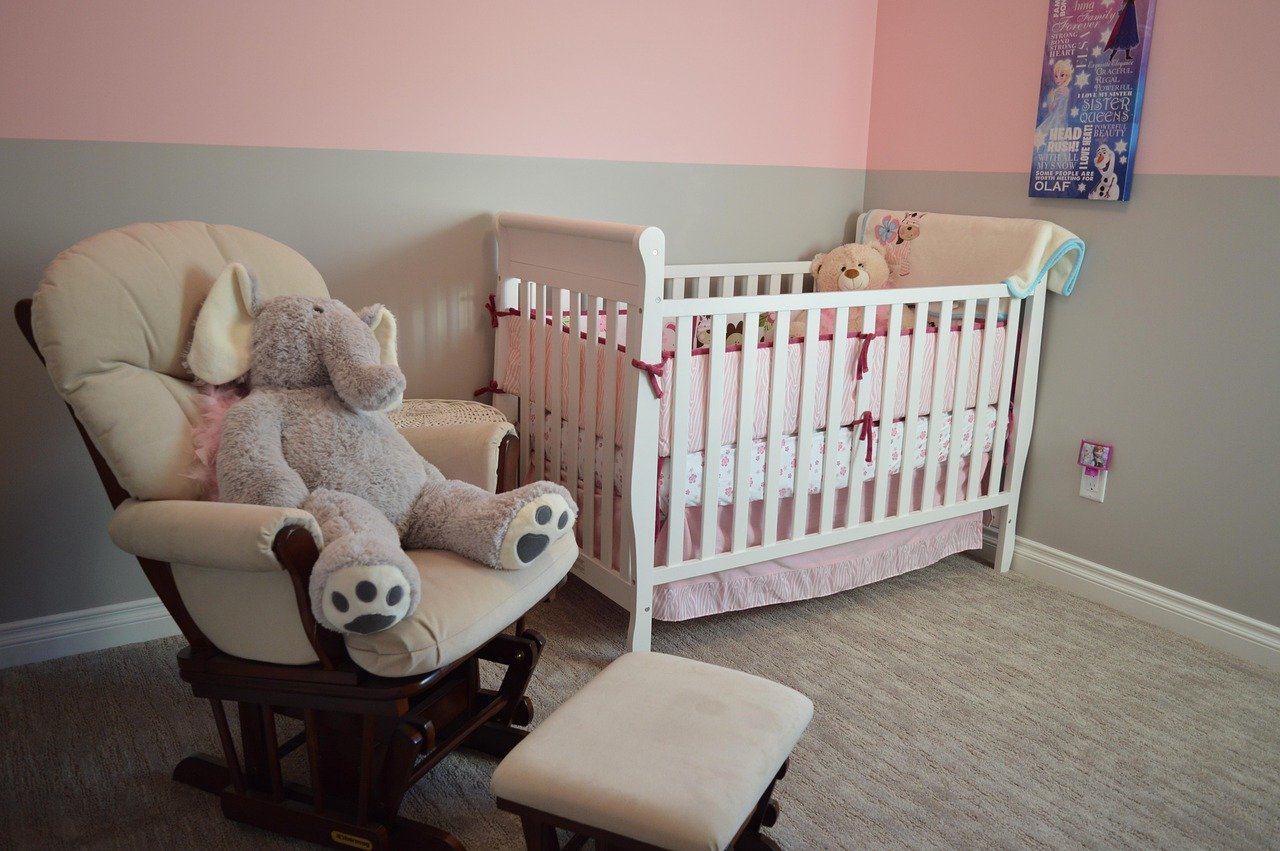
    Pink nursery with a white crib, a glider chair and a stuffed toy
    Photo by ErikaWittlieb on Pixabay (source)

    Quick answer: to get your house ready for a new baby, set up a safe sleep space, check smoke and carbon monoxide alarms, lower your water heater temperature, plan where baby will be changed and fed, stock the essentials, and prepare simple meals and support for the first weeks. You do not need a perfect nursery. You need a safe, practical one.

    Educational information only. Medical review: pending.

    Start with a safe sleep space

    The American Academy of Pediatrics (HealthyChildren.org) recommends that babies sleep alone, on their back, on a firm, flat surface made for infants, such as a crib, bassinet or play yard that meets current safety standards. Keep the sleep space bare: no pillows, loose blankets, bumper pads or soft toys. Sharing a room with your baby, without sharing a bed, is recommended for at least the first months.

    • Use the mattress that came with the crib and a fitted sheet only.
    • Do not use second-hand cribs with missing parts or recalls. Check the model number against official recall lists in your country.
    • Keep cords, blind strings and wall decorations out of reach.

    Check the basic safety systems

    • Smoke and carbon monoxide alarms: test them and replace batteries. Place one on every floor and near sleeping areas.
    • Water heater: many safety organizations advise setting it to no more than 120°F (49°C) to reduce scald risk.
    • Emergency numbers: save your pediatrician, poison control and local emergency numbers on the fridge and in your phone.
    • Car seat: buy a seat suited to newborns, read the manual, and have the installation checked if your area offers it. Many hospitals will not let you leave without one.

    Create three small “stations”

    Instead of decorating a whole room first, think about the three things you will do dozens of times a day.

    Station What it needs Tip
    Changing Diapers, wipes, barrier cream, change of clothes, a washable pad Keep a second mini station on each floor
    Feeding Comfortable chair, nursing pillow if you like, water, snacks, burp cloths, bottles if needed Add a good light and a phone charger
    Sleeping Safe crib or bassinet, dim light, sound machine (optional) Keep it uncluttered and away from windows and cords

    Baby-proof what matters now

    Newborns do not move around, but small steps now save work later.

    • Anchor tall furniture and TVs to the wall.
    • Store medicines and cleaning products out of reach and, where possible, locked.
    • Remove or secure heavy objects on high shelves.
    • Keep pets safely supervised around the baby.

    Wash, sort and stock

    Wash new clothes, blankets and sheets before use with a gentle detergent, especially if anyone in the family has sensitive skin. Do not overbuy newborn sizes, because babies grow quickly. Stock diapers in two sizes, wipes, a thermometer, nail clippers or file, and basic first aid items. Ask your pediatrician for a list of any extras they recommend.

    Prepare your own support system

    • Cook and freeze a few simple meals, or set up a meal-sharing plan with friends.
    • Stock easy snacks and drinks you can eat one-handed.
    • Decide who can help with chores, siblings and pets in the first two weeks.
    • Write down your pediatrician’s contact details and your hospital route.

    Home preparation checklist

    • Safe crib or bassinet set up, bare and firm.
    • Smoke and CO alarms tested.
    • Water heater at a safe temperature.
    • Car seat installed and checked.
    • Changing, feeding and sleeping stations ready.
    • Furniture anchored, hazards stored away.
    • Freezer meals and a support plan.

    A room-by-room walkthrough

    Entryway

    • Create a spot for shoes and a basket for hand sanitizer, so visitors can clean their hands before holding the baby.
    • Keep a clear path for a stroller or car seat carrier.

    Living room

    • Choose one comfortable spot for feeding, with a table within reach.
    • Set up a small basket with burp cloths, diapers and wipes.
    • Anchor bookcases and TVs, and cover sharp furniture corners that sit at crawling height later.

    Bedroom

    • Place the bassinet or crib within arm’s reach of your bed, if you are room-sharing.
    • Dim lighting and blackout curtains help with night feeds and naps.

    Bathroom

    • Set up a small bathing area, such as a baby bath on a counter or in the tub.
    • Keep a thermometer for the water if you wish, and never leave a baby alone in water.
    • Store medicines, razors and cleaning products where children cannot reach them.

    Kitchen

    • Clear a space for washing and drying bottles.
    • Stock easy meals and snacks for the first weeks.

    A simple timeline

    When What to do
    About 8 weeks before Choose the sleep space, car seat and main gear. Start a budget.
    About 4 weeks before Assemble furniture, wash clothes and bedding, install the car seat and have it checked if possible.
    About 2 weeks before Stock diapers and basics, pack the hospital bag, prepare freezer meals.
    Final week Clean, rest, check phone numbers and confirm who will help after the birth.

    If your baby may come early, shift each step earlier. A twin pregnancy or a medical condition may also change your timeline, so ask your provider.

    Pets and older children

    • Pets: introduce baby smells, such as a blanket, before the birth. Keep pets out of the sleep space, and never leave a baby alone with an animal.
    • Older children: read books about becoming a sibling, let them help choose a small item for the baby, and plan one-on-one time after the birth.

    Cleaning and laundry plan

    You do not need a perfectly clean house, but a few routines help. Wash baby clothes and bedding in a gentle detergent, set up a hamper in the nursery, and plan a weekly deep clean you can share or outsource. Ask visitors who are sick to stay home. Lower your standards for the first weeks, and focus on what matters, which is rest, feeding and safety.

    Common mistakes to avoid

    • Buying too many newborn-size clothes and gadgets.
    • Leaving the car seat installation until the last minute.
    • Decorating the crib with bumpers, pillows or toys.
    • Forgetting to plan help, meals and rest for yourself.

    Frequently asked questions

    When should I start preparing my home?

    Many families finish the main preparations by around 34 to 36 weeks, which leaves room for early arrivals. Do what feels manageable and ask for help.

    Does baby need a separate nursery right away?

    No. Health guidance recommends room-sharing in the early months, so a bassinet in your room is a good option.

    Is it safe to use second-hand baby gear?

    Some items are fine, such as clothes. Be careful with car seats, cribs and anything with a recall. Check the manufacturer’s date and recall information first.

    Conclusion

    A baby-ready home is not about perfect photos. It is about safety, convenience and support. Cover the safe sleep space, alarms and car seat first, then build the rest as you go.

    References

    Read also

  • First Trimester Pregnancy Checklist for New Moms

    First Trimester Pregnancy Checklist for New Moms

    Pregnant woman in a pink dress cradling her belly in a garden
    Photo by Marncom on Pixabay (source)

    Quick answer: in the first trimester (roughly weeks 1 to 13), the most useful things you can do are confirm your pregnancy with a health professional, book your first prenatal appointment, take folic acid or a prenatal vitamin, review medications and habits with your provider, follow food safety basics, and know which symptoms need a same-day call.

    Educational information only. It does not replace advice from your doctor or midwife. Medical review: pending.

    Confirm the pregnancy and book your first appointment

    A positive home test is a good sign, but your care provider will confirm it and start your records. Call your doctor, midwife or clinic as soon as you can. Many practices schedule the first visit somewhere between 8 and 12 weeks, though some see you earlier if you have a medical history or symptoms. Ask when the first visit will be and what to bring.

    Before the visit, write down:

    • The first day of your last menstrual period.
    • Your medical history, including past pregnancies, surgeries and chronic conditions.
    • Every medication, vitamin and supplement you take.
    • Family history of genetic conditions, if you know it.

    Start or continue folic acid and a prenatal vitamin

    Health agencies such as the CDC and the NHS advise people who could become pregnant to take 400 micrograms of folic acid daily, because it helps reduce the risk of certain birth defects of the brain and spine. Many prenatal vitamins contain it. Ask your provider which product and dose suit you, especially if you have a medical condition or a previous pregnancy affected by a neural tube defect, since the advice can differ.

    Review medications, supplements and habits

    Do not stop a prescribed medicine on your own. Instead, call your provider early and ask what is safe to continue. Also ask about herbal products and over-the-counter remedies, because “natural” does not always mean safe in pregnancy.

    • Alcohol: the CDC states there is no known safe amount of alcohol during pregnancy.
    • Smoking and vaping: ask your provider for support to quit. Many clinics offer free help.
    • Caffeine: ACOG says that under 200 mg a day is considered a moderate amount. That is roughly one 12 oz cup of coffee, although caffeine content varies a lot.

    Eat and drink with food safety in mind

    Your immune system changes in pregnancy, so some foods carry a higher risk of infections such as listeria or toxoplasmosis. The table below summarizes common guidance from health agencies. Check local advice, because recommendations vary slightly by country.

    Be careful with Why Safer approach
    Raw or undercooked meat, fish and eggs Risk of bacteria and parasites Cook until fully done
    Unpasteurized milk and soft cheeses made from it Listeria risk Choose pasteurized products
    Cold deli meats and smoked fish Listeria risk Heat deli meat until steaming hot
    High-mercury fish (such as swordfish, shark, king mackerel) Mercury can affect baby’s developing nervous system Choose lower-mercury fish and follow local guidance
    Unwashed produce Soil and bacteria Wash fruits and vegetables well

    Manage common first trimester symptoms

    Nausea, tiredness, sore breasts, frequent urination and mood swings are common, and some people have few symptoms at all. Having fewer symptoms is not by itself a sign of a problem.

    • Nausea: eat small, frequent meals, keep plain snacks by the bed, sip fluids through the day and rest when you can. If you cannot keep fluids down, call your provider.
    • Fatigue: go to bed earlier and lower your expectations for a few weeks. It often improves in the second trimester.
    • Constipation: fiber, water and gentle walking help. Ask before using any remedy.

    Know when to call your provider

    Contact your doctor, midwife or emergency services right away if you have heavy vaginal bleeding, severe or one-sided abdominal pain, fever, fainting, severe vomiting that stops you keeping fluids down, or anything that worries you. Trust your instincts and call.

    Plan the practical side

    • Check what your health insurance or national system covers.
    • Read your workplace policy on leave and decide when you want to share the news.
    • Start a simple budget for appointments and baby costs.
    • Choose one trusted person to talk to about how you feel.

    Your first trimester checklist

    • Confirm pregnancy and book the first prenatal visit.
    • Start folic acid or a prenatal vitamin as advised.
    • Review all medications and supplements with your provider.
    • Stop alcohol and tobacco, and ask for help if needed.
    • Follow food safety guidance.
    • Save your provider’s urgent contact number in your phone.
    • Check insurance and leave policies.
    • Rest, hydrate and be kind to yourself.

    What happens week by week

    Pregnancy is counted from the first day of your last menstrual period, so you are already “four weeks pregnant” when you miss a period. The timeline below is a general picture. Every pregnancy is different, and your provider may date yours by ultrasound.

    Weeks What commonly happens
    1 to 4 Ovulation, fertilization and implantation. A missed period is often the first sign.
    5 to 8 The embryo’s heart begins to beat, and an early ultrasound can often show a heartbeat around 6 to 7 weeks. Nausea and tiredness often start.
    9 to 13 Major organs have formed, and many people begin to feel a little better toward the end of the trimester.

    Questions to ask at your first appointment

    It is easy to forget questions in the room. Write them in your phone and bring them along.

    • Which tests and screenings do you recommend, and when?
    • Which medicines, vitamins and supplements are safe for me?
    • What symptoms should make me call you the same day?
    • Who do I call after hours, and how do I reach you?
    • Is there anything about my health history that changes my care?
    • What are my options for where and how I give birth?

    Looking after your emotions

    It is normal to feel excited, anxious, tearful or all three on the same day. Hormones, tiredness and big life changes all play a part. A few things that help many people:

    • Talk with someone you trust, and be honest about how you feel.
    • Keep gentle movement in your day, such as walking, if your provider says it is fine for you.
    • Limit doom-scrolling on forums, and use official sources for facts.
    • Tell your provider if low mood, worry or fear is constant or hard to manage. Support is available, and it is part of good prenatal care.

    Involving your partner or support person

    If you have a partner, family member or close friend, invite them into the process. They can come to appointments, help with meals when you feel sick, and take over chores. Ask them to read the same guides you do, so that you are working from the same information.

    Use this as a printable first trimester checklist

    You can print this page (Ctrl+P, or Share and Print on your phone) or copy the checklist above into your notes app. Tick items off as you go, and bring the list to your first prenatal appointment, together with your questions. Review it again at around 10 to 12 weeks, because your priorities may change as symptoms and appointments move forward.

    Frequently asked questions

    When should my first prenatal appointment be?

    Many practices book it between 8 and 12 weeks, but timing differs by country and clinic. Call as soon as you know you are pregnant and follow their advice.

    Is it normal to have no pregnancy symptoms?

    Yes, symptoms vary widely. If you have heavy bleeding or severe pain, call your provider, but a lack of symptoms alone is usually not a concern. Ask your provider if you are worried.

    How much caffeine is okay?

    ACOG advises keeping caffeine under 200 mg a day. Remember that tea, soda, chocolate and some medicines also contain caffeine.

    Conclusion

    The first trimester can feel overwhelming, but a short list of steps covers most of what matters: see a provider, take folic acid, review medicines, eat safely and know the warning signs. Take it one week at a time.

    References

    Read also