Author: Tender Nest Editorial

  • Busy Mom Routine: Practical Organization Tips

    Busy Mom Routine: Practical Organization Tips

    Father holding a newborn baby on a sofa
    Photo by StockSnap on Pixabay (source)

    Quick answer: a busy mom routine works best when you do less, not more: keep one shared calendar, plan meals and mornings the night before, give everything a home, batch repetitive tasks, and ask for help. Choose two or three habits to start, and build from there.

    Start with one calendar

    Keep appointments, school events, work and family plans in one shared digital or paper calendar that everyone can see. Add reminders for the day before, so nothing arrives as a surprise. Review it together for five minutes each Sunday.

    Use a simple daily rhythm

    • Morning: a short checklist for the children and for you.
    • Afternoon: a reset of 10 minutes to tidy the main living space.
    • Evening: prepare tomorrow, with clothes, bags, lunches and a quick look at the calendar.

    Prepare the night before

    Task Time needed
    Lay out clothes 5 minutes
    Pack school or daycare bags 5 minutes
    Prepare breakfast or lunch items 10 minutes
    Check the calendar and weather 2 minutes

    Give everything a home

    • A landing zone near the door for keys, bags and shoes.
    • Baskets for toys in each main room.
    • A folder or box for school papers and bills.
    • Labels, so that the whole family knows where things go.

    Batch and simplify

    • Do laundry on set days, and fold while watching something.
    • Cook once and eat twice, or freeze portions.
    • Shop with a list, or use pick-up orders.
    • Choose fewer toys and clothes, because less is easier to manage.

    Share the load

    Talk with your partner or household about who does what, and write it down. Give children small, age-appropriate chores, such as putting toys away or carrying plates. Accept help from family and friends when it is offered.

    Protect time for yourself

    • Schedule a few minutes daily for something you enjoy.
    • Keep sleep as a priority when you can.
    • Say no to extra commitments that do not matter to you.
    • Remember that “good enough” is enough.

    Organization checklist

    • One shared calendar.
    • Night-before routine.
    • Homes for keys, bags, toys and papers.
    • Batching for laundry, cooking and shopping.
    • Shared chores and time for yourself.

    Organize the weekly rhythm

    Day Focus Example task
    Monday Plan Review the calendar and plan meals
    Tuesday Laundry Wash and fold clothes
    Wednesday Shopping Grocery order or a short store trip
    Thursday Tidy Reset kitchen and bathrooms
    Friday Admin Pay bills, answer school notes
    Weekend Family Rest, play and prepare for next week

    This is only an example. Move the tasks to days that work for you, and skip what you do not need.

    The “mental load” and how to lighten it

    Much of the work in a family is invisible: remembering appointments, noticing that the diaper box is almost empty, planning birthdays. Write these tasks down, so they live in a list and not only in your head. Share the list with your partner, and agree who owns what, from start to finish. When one person owns a task, the other does not need to be reminded or supervised.

    Simple systems that save time

    • A shared shopping list that everyone can add to.
    • A “launch pad” by the door with hooks, a basket for keys and a bin for school bags.
    • A paper inbox for notes and forms, emptied once a week.
    • A family message group for logistics, kept separate from chat.

    Meals without stress

    • Choose a theme for each night, such as pasta, tacos or soup.
    • Cook double and freeze half.
    • Keep a list of five fast meals for bad days.
    • Let older children pick or help prepare one meal each week.

    Working from home or outside the home

    • Set clear start and end times, and protect them.
    • Prepare the night before, with bags, lunches and clothes.
    • Batch calls and tasks when children are at school or asleep.
    • Be open with your employer about what you need, within your workplace policies.

    Taking care of yourself

    Organization should make life lighter, not heavier. If you are always tired, anxious or low, talk to your doctor or a trusted professional. Many parents experience stress and burnout, and support is available. Small things also help: a short walk, a call with a friend, an early night.

    When plans fall apart

    Children get sick, work changes and routines break. Keep a simple “emergency plan” with a few backup meals, a contact who can help with childcare, and a short list of must-do tasks. Having a backup lowers stress when life becomes unpredictable.

    Morning routine that works

    Time Step
    First 15 minutes Get yourself ready before children wake, if possible
    Next 30 minutes Breakfast, clothes and teeth
    Last 15 minutes Bags, shoes and a quick check of the calendar

    Use a visual checklist for young children, with pictures for each step. Older children can follow a written list. Praise them when they complete it without reminders.

    Afternoon and evening routine

    • After school: a snack, a short break, then homework or play.
    • Dinner: aim for a shared meal with phones away, even if short.
    • Bedtime: a consistent order, such as bath, pajamas, story, lights out.
    • After bedtime: a ten-minute reset of the main room, and then time for yourself.

    Decluttering without stress

    Too many things make it harder to stay organized. Try a small step: choose one drawer or shelf each week, and sort items into keep, donate and discard. Involve children by asking them to choose toys to pass on. Aim to keep only what you use, need or love.

    Handling paperwork

    • Open mail near a recycling bin and a folder.
    • Take photos of important notes and store them in one album.
    • Keep a single folder for health, school and insurance documents.
    • Set a monthly time to pay bills and file papers.

    Asking for help

    Many parents hesitate to ask for help, but sharing the load is a sign of good planning. Be specific, such as “Could you collect the children on Thursday?” Offer to return the favor, and thank people. If you can afford it, consider paid help for one task, such as cleaning, that frees up your time.

    Start small and build habits

    Choose one habit for a week, such as preparing school bags the night before. When it feels natural, add another. Small changes are easier to keep than a complete overhaul. Track your progress on a simple chart, and celebrate each step.

    Frequently asked questions

    Where should I start?

    Pick the biggest daily stress, such as mornings, and fix that first.

    How do I keep going when I fall behind?

    Reset with a short tidy and a fresh list. Progress matters more than perfection.

    Do apps help?

    They can, if you use them. Choose one calendar and one list app, and avoid adding many tools.

    Conclusion

    Organization is a way to gain time and calm. Start small, keep what works, and let the rest go.

    Read also

  • Simple Family Activities for Quality Time

    Simple Family Activities for Quality Time

    Family having a picnic on a blanket in the backyard
    Photo by Sunriseforever on Pixabay (source)

    Quick answer: quality family time does not need planning or money. Cook together, take a walk, play a game, read side by side, or start a small tradition. Put phones away, let children help choose, and keep the focus on being present.

    Why small moments matter

    Children feel connected through regular, relaxed time with their parents, such as chatting at dinner, playing together or sharing a routine. Short moments each day often matter more than a rare big outing.

    At-home activities

    • Cook or bake together: let children wash vegetables, stir or decorate.
    • Family game night: board games, card games or charades.
    • Movie and snack night: choose a film together and make popcorn.
    • Build a fort: blankets, cushions and a flashlight.
    • Story time: everyone reads or tells a short story.

    Outdoor activities

    • A walk in the neighborhood, looking for colors, birds or shapes.
    • A picnic in the park or on the balcony.
    • Bike rides or a trip to the playground.
    • Gardening, even with a few pots on a windowsill.

    Creative activities

    • Family drawing: pass a sheet and add one detail each.
    • Make a scrapbook or photo collage.
    • Write a family recipe book.
    • Make music with pots, spoons and singing.

    Low-cost ideas

    IdeaTimeCost
    Dinner together without screens30 minutesFree
    Evening walk20 minutesFree
    Home picnic on the floor45 minutesLow
    Library visit1 hourFree
    Dance party in the living room15 minutesFree

    Start small traditions

    • Pancake Saturdays.
    • A weekly family walk.
    • A “best part of my day” question at dinner.
    • A yearly photo in the same place.

    Tips for making it work

    • Put phones away during activities.
    • Let each family member choose in turn.
    • Keep it short and flexible for small children.
    • Accept messes and imperfect plans.
    • Include everyone, including grandparents when possible.

    Family time checklist

    • One daily moment, such as a meal or bedtime story.
    • One weekly activity for everyone.
    • A tradition you can repeat.
    • Devices off during family time.

    A month of simple family ideas

    WeekIdea
    Week 1Family walk and a nature scavenger hunt
    Week 2Cook a new recipe together
    Week 3Game night with snacks
    Week 4Create something together, such as a family collage

    Activities for different ages

    • Babies: songs, floor play, a walk with a carrier or stroller, a bath-time routine.
    • Toddlers: a picnic, playground time, simple crafts, dancing.
    • School-age children: board games, bike rides, cooking, a science experiment from household items.
    • Teenagers: a shared meal, a film they choose, a walk with a chat, or a project they like.

    Making ordinary routines special

    • Turn bedtime into a tradition, with a story and a “three good things” chat.
    • Have a regular family meal, even if it is only a few times a week.
    • Give each family member a turn to choose a Friday night activity.
    • Take a photo each month and add it to an album.

    Talking and listening

    Quality time is not only about activities. It is also about attention. Ask open questions, such as “What was the best part of your day?” or “What made you laugh?” Listen without fixing. Share a little of your own day too. Children learn to talk about feelings when adults do the same.

    Screen-free time

    • Agree on a time or a place where phones and tablets are put away, such as meals.
    • Keep it positive, and offer something fun in place of screens.
    • Model the habit yourself.

    Including everyone

    Choose activities that suit all abilities and interests in your family. If someone has a disability or a health condition, adapt the activity or choose another. Include grandparents and friends when you can, in person or by video call.

    Handling busy weeks

    • Shrink the activity: ten minutes counts.
    • Combine tasks, such as cooking together while chatting.
    • Do not feel guilty. A small, regular moment is enough.
    • Plan one thing to look forward to on the weekend.

    Traditions by season

    SeasonIdeas
    SpringPlant seeds, take a nature walk, fly a kite
    SummerPicnic by the water, backyard camping, evening games
    AutumnCollect leaves, bake together, make a cozy reading night
    WinterHot chocolate and board games, indoor fort, craft projects

    Staying close with relatives far away

    • Schedule a regular video call, and give children a role, such as showing a drawing.
    • Read a bedtime story to grandparents on a call.
    • Send handmade cards or voice messages.
    • Cook the same recipe at the same time in two homes.

    Family time with a new baby

    When a baby arrives, older children may need extra attention. Set aside a short daily moment, even ten minutes, for one-on-one time with each child. Let older children help in small ways, such as fetching a diaper or singing to the baby. Keep activities short and flexible, and accept that plans may change.

    Conversation starters for dinner

    • What was the funniest thing that happened today?
    • If you could have any superpower, what would it be?
    • What are you grateful for today?
    • What would you like to learn this year?
    • If we could go anywhere, where would we go?

    Making the most of ordinary moments

    Car rides, bath time and cooking are all chances to connect. Turn off the radio and ask a question. Make eye contact when your child speaks, and put down your phone. These small moments often matter most to children because they happen every day.

    A week of free family ideas

    DayIdea
    MondayTen-minute dance party after dinner
    TuesdayRead a chapter or a picture book together
    WednesdayWalk around the block and spot something new
    ThursdayDraw a family picture on one big sheet of paper
    FridayMake a pizza or a snack night together
    SaturdayA park visit, library or backyard picnic
    SundayPlan the week and share one thing you are looking forward to

    Giving back as a family

    Doing something for others can strengthen family bonds. Ideas include tidying a local park, baking for a neighbor, collecting items for a donation drive or writing cards for people who are alone. Choose something that matches your children’s ages, and talk afterwards about how it felt.

    Reflect and remember

    Keep a simple family journal or jar. Once a week, each person writes one happy memory on a slip of paper. At the end of the year, read them aloud. This builds gratitude and creates a lovely record of your family’s year.

    Frequently asked questions

    How much family time is enough?

    There is no fixed amount. Regular, attentive moments, even short ones, are valuable.

    What if my schedule is very busy?

    Use existing routines, such as meals, car rides and bedtime, to connect.

    How do I include different ages?

    Choose activities with flexible roles, such as cooking, games or a walk, so each person can take part at their own level.

    Conclusion

    The best family activities are simple and regular. Choose one this week, and make it a habit.

    Read also

  • How to Create a Reading Corner for Children

    How to Create a Reading Corner for Children

    Girl reading a large English dictionary
    Photo by libellule789 on Pixabay (source)

    Quick answer: a reading corner needs a comfortable seat, good lighting, a low shelf with books facing out, and a calm, quiet spot. You can build one in a corner of a bedroom or living room in an afternoon, with a few cushions and a small bookshelf.

    Pick the spot

    • Choose a quiet place with natural light, away from the TV.
    • Make sure there is enough room for a child, and for an adult to sit beside them.
    • Avoid areas that are exposed to direct strong sun or drafts.

    Make it comfortable

    • A soft rug or a play mat.
    • Floor cushions, a beanbag or a small child-sized chair.
    • A blanket for cozy moments.
    • A canopy or fabric tent, if you like, secured safely and out of reach of cords.

    Choose a good bookshelf

    Front-facing shelves let children see covers, so they can choose by themselves. Low shelves or a rain-gutter shelf on the wall work well. Anchor any shelf to the wall so that it cannot tip.

    Pick the right books

    Age Book types
    Babies Sturdy board books, high-contrast pictures, textures
    Toddlers Simple stories, animals, daily routines, rhymes
    Preschoolers Picture books with longer stories, alphabet and counting books, early information books

    Keep around eight to twelve books on display and rotate them every few weeks, so that the corner always feels fresh. Borrow from your library to add variety at no cost.

    Add the right lighting

    Use a warm, soft lamp, and keep cords out of reach. Place the light so it does not shine in your child’s eyes.

    Make reading a habit

    • Read together at the same time each day, such as before bed.
    • Let your child choose the book, even when it is the same one again.
    • Ask simple questions and point to pictures.
    • Model reading yourself, with your own book in the corner.

    Small-space ideas

    • Use a corner behind a door, or beside a bed.
    • Hang book ledges on a wall.
    • Choose a folding chair or floor cushion that stores away.

    Reading corner checklist

    • Quiet, well-lit spot.
    • Soft seating and a rug.
    • Low, anchored shelf with front-facing books.
    • A small, rotating selection of books.
    • A daily reading routine.

    A reading corner on a budget

    Item Low-cost idea
    Seating Floor cushions, a folded blanket or a small stool
    Shelf A wall-mounted ledge, or a basket for books
    Rug A washable rug or a thick play mat
    Lighting A simple clip-on or table lamp
    Books Library loans, second-hand shops and book swaps

    Reading with babies and toddlers

    Pediatric groups encourage reading aloud from the early months. Even if a baby cannot understand the story, they hear your voice and see your face. With babies, choose sturdy board books, point to pictures and talk about them. Toddlers like books they can touch, lift and repeat. Read the same favorites many times, because repetition helps learning.

    Reading with preschoolers

    • Pause to ask what might happen next.
    • Point out letters, especially the first letter of your child’s name.
    • Let your child “read” the pictures to you.
    • Choose stories with rhymes and patterns.

    Choosing books with a wide view of the world

    Look for books with a range of characters, families, places and cultures, so that every child can see themselves and also learn about others. Mix stories with simple information books about animals, vehicles, the body and nature.

    Creating a reading routine

    • Choose a regular time, such as before bed or after lunch.
    • Start with five minutes, and let it grow.
    • Switch off screens during reading time.
    • Take books on trips, to the park and to waiting rooms.
    • Visit the library regularly, and let your child choose.

    Keeping books in good shape

    • Show how to turn pages gently.
    • Use board books for the youngest, and tape for small tears.
    • Store books upright or face-out, and away from direct sun and damp.

    Safety and comfort checks

    • Anchor shelves to the wall, and keep heavy books on low shelves.
    • Avoid cords and beanbags with loose fillings that could be a hazard, and choose items with secure seams.
    • Keep a lamp cord away from reach.
    • Choose a canopy or tent with sturdy, safe fixings.

    Classic picture books to consider

    These well-known titles are widely loved, and many libraries have them. Check your local library or a children’s bookshop for the right age.

    Book Author Why families like it
    Goodnight Moon Margaret Wise Brown Soothing rhythm for bedtime
    The Very Hungry Caterpillar Eric Carle Counting, days of the week and bold pictures
    Brown Bear, Brown Bear, What Do You See? Bill Martin Jr. and Eric Carle Repetition and colors for toddlers
    Where the Wild Things Are Maurice Sendak Imagination and big feelings
    Guess How Much I Love You Sam McBratney A gentle story about love

    Let your child choose

    Children often pick the same book again and again, and that is fine. Repetition helps them learn new words and feel secure. Offer two or three choices at bedtime, and give them a say in what goes into the corner. Choice builds a love of books.

    Make the corner part of the family’s day

    • Use the corner for a calm moment after lunch or before a nap.
    • Invite siblings to read to each other.
    • Put a basket of books near the changing table, the car or the bath.
    • Celebrate library day as a family outing.

    When your child does not want to sit still

    Some children prefer to move while listening. Let them play quietly with a toy, or stand and look at the pictures. Keep reading sessions short, and stop when they lose interest. Interest often returns later. If you have concerns about your child’s language development, talk to your pediatrician.

    Reading in more than one language

    If your family speaks more than one language, include books in each of them. Children can build vocabulary in both languages when they hear them regularly and in a warm setting. Libraries often have books in many languages, and online lists can help you find them.

    Frequently asked questions

    When should I start reading to my baby?

    Pediatric groups encourage reading aloud from early infancy. Even newborns benefit from your voice.

    How many books are enough?

    A small, changing selection is better than a large pile. Use the library for new titles.

    What if my child tears or chews books?

    That is common with young children. Offer board books, and show how to turn pages.

    Conclusion

    A reading corner is an invitation. Keep it cozy, simple and inviting, and enjoy the stories together.

    Read also

  • Fun Educational Games for Preschoolers

    Fun Educational Games for Preschoolers

    Wooden letter tiles spelling the word LEARN
    Photo by WOKANDAPIX on Pixabay (source)

    Quick answer: preschoolers learn best through play. Simple games with letters, numbers, shapes, colors and stories build early skills without pressure. Keep games short and playful, let your child lead, and celebrate effort instead of correct answers.

    Letter and sound games

    • I spy with sounds: “I spy something that starts with sss.”
    • Letter hunt: find the first letter of your child’s name in books, signs and packages.
    • Rhyme time: think of words that rhyme with cat, sun or bed. Silly words count.
    • Name building: make a name with magnetic letters or paper tiles.

    Number and counting games

    • Count steps, toys and snacks in daily life.
    • Number hopscotch, drawn with chalk or tape.
    • Dice roll and collect that many blocks.
    • Set the table: how many plates, cups and forks?

    Shapes, colors and patterns

    • Shape hunt around the house.
    • Pattern strings: red, blue, red, blue with beads or blocks.
    • Color sorting with pom-poms or socks.
    • Build with blocks and name what you make.

    Memory and thinking games

    • Memory cards with pairs of pictures.
    • What is missing? Show three toys, hide one, and ask which is gone.
    • Simple board games that teach turns and rules.
    • Puzzle time, starting with small numbers of pieces.

    Social and emotional games

    • Feelings faces: make a happy, sad or surprised face and guess.
    • Taking turns with a favorite toy, using a timer you can both see.
    • Story time with different voices for each character.

    Game ideas by skill

    Skill Game What you need
    Letters Letter hunt Books, labels
    Counting Number hopscotch Chalk or tape
    Patterns Bead patterns Beads or blocks (large, safe sizes)
    Memory What is missing? Three or four toys
    Feelings Feelings faces Nothing

    Tips for good game time

    • Keep sessions to five to fifteen minutes.
    • Let your child win sometimes, and lose gracefully yourself.
    • Praise effort: “You kept trying!”
    • Stop when your child loses interest.
    • Supervise small parts and choose safe materials.

    Game checklist

    • One letter, one number and one pattern game.
    • Short sessions and low pressure.
    • Safe materials, close supervision.

    Games for a car ride or waiting room

    • Color hunt: look for something red, then blue, then yellow.
    • Counting game: count cars, trees or doors.
    • Story chain: each person adds one sentence to a silly story.
    • Silly rhymes: make up rhymes with the names of family members.

    Kitchen learning games

    • Sort cutlery, or match lids with pots.
    • Measure ingredients with cups and talk about “more” and “less”.
    • Count fruit, slice a banana and talk about halves.
    • Wash vegetables and name their colors.

    Supervise closely around knives, heat and small foods that may be a choking risk.

    Outdoor learning games

    • Nature scavenger hunt with a list of pictures, such as a leaf, a stone and a feather.
    • Chalk drawings of shapes and letters on the pavement.
    • Counting steps from one end of the garden to the other.
    • Shadow tracing in the sun.

    What skills are children building?

    Skill Examples of games Why it helps
    Language Rhymes, storytelling, I spy Builds vocabulary and listening
    Early math Counting, sorting, patterns Builds number sense
    Fine motor Beading, drawing, puzzles Prepares hands for writing
    Social skills Taking turns, board games Builds patience and cooperation
    Self-control Freeze dance, Simon says Practices stopping and listening

    How to adapt for different abilities

    • Make it easier by using fewer items, or by working with a helper.
    • Make it harder by adding a new rule, such as counting backwards.
    • Follow your child’s interests, such as trains or animals.
    • If you have concerns about your child’s development, talk to your pediatrician or teacher.

    A weekly game plan

    Day Game
    Monday Letter hunt at home
    Tuesday Counting snack time
    Wednesday Shape scavenger hunt
    Thursday Memory cards
    Friday Feelings faces and story time

    Treat this as a loose guide, not a schedule. If you skip a day, nothing is lost.

    Games for specific moments

    • Bath time: count bubbles, name colors of bath toys, or sing a washing song.
    • Mealtime: name foods by color, or guess the food from a touch or a smell, with closed eyes and safe foods.
    • Bedtime: a quiet “I spy” game in the dark, or a gentle story with a question at the end.
    • Getting dressed: sort clothes by color, or race to find matching socks.

    When your child gets frustrated or loses

    Young children are still learning to handle disappointment. Stay calm, and name the feeling: “You are sad that you did not win.” Offer a hug if they want one, and remind them that it is just a game. Play games where everyone wins, or where you work as a team against a timer, so that your child has positive experiences. Praise how they tried, not only the result.

    Learning through stories

    Reading a story together is itself a learning game. You can ask questions such as:

    • “What do you think will happen next?”
    • “How does the character feel?”
    • “Can you find something that is blue on this page?”
    • “What would you do?”

    Let your child lead, and accept unexpected answers.

    Signs your child is ready for something new

    • They finish the game quickly and ask for more.
    • They start to make up their own rules.
    • They teach the game to a friend or a toy.

    When you see these signs, add a small challenge, such as more pieces or a new rule.

    Myths about early learning

    • “Children need flashcards.” Play, conversation and stories are enough at this age.
    • “Earlier is always better.” Children develop at different rates, and pressure can take away the joy.
    • “Games must be educational to be useful.” Free play is also learning, and it builds imagination.

    Homemade game kits

    • Bean bag toss: fill small fabric pouches with rice or dried beans, sew them closed securely, and toss them into a box. Use it for counting or color sorting.
    • Matching cards: draw pairs of simple pictures on paper squares, mix them and turn them face down.
    • Sound shakers: fill sealed containers with different items, and match the sounds. Make sure they are closed securely, and supervise.
    • Number path: write numbers on paper plates and place them on the floor.

    Games for playdates

    Choose games that do not need winners, such as building a tower together, passing a ball in a circle or making a group story. Keep the group small, and have enough toys so that children do not need to share the same item. Stay close to help children take turns.

    Frequently asked questions

    Should preschoolers learn to read before school?

    Many children enjoy letters and sounds, but readiness varies. Focus on stories, talking and play, and ask your child’s teacher or pediatrician about concerns.

    How often should we play learning games?

    A little each day works well. Mix them with free play.

    What if my child does not want to play?

    Try another time or another game. Pressure can reduce interest.

    Conclusion

    Playful games build skills and confidence. Choose short, joyful activities, and enjoy the time together.

    Read also

  • Indoor Activities for Toddlers at Home: Creative Ideas

    Indoor Activities for Toddlers at Home: Creative Ideas

    Illustration of scissors, crayons, paints and a brush for children's crafts
    Photo by u_4mx5rfd1yn on Pixabay (source)

    Quick answer: the best indoor activities for toddlers at home are sensory play, simple art, movement games, pretend play and building projects, using things you already have at home. Choose activities that match your child’s age, supervise closely, and keep setup short, since the best play is often the simplest.

    Always supervise young children, and avoid small objects that could be a choking hazard.

    Sensory play

    • Water play: a basin with cups, sponges and spoons.
    • Sensory bin: a tub with dry pasta or oats, scoops and bowls, with an adult watching closely so nothing goes in the mouth.
    • Playdough: rolling, pressing and cutting with cookie cutters.

    Art and craft

    • Finger painting or painting with big brushes on paper taped to the table.
    • Collage with torn paper and child-safe glue.
    • Drawing on a big sheet of paper on the floor.
    • Sticker pictures, which are good for fine motor skills.

    Movement games

    • An obstacle course with cushions to crawl over and tape lines to walk along.
    • Dance party with favorite songs, and freeze when the music stops.
    • Balloon keep-up, used with adult supervision.
    • Animal walks: hop like a frog, waddle like a duck.

    Pretend play

    A blanket becomes a tent, a cardboard box becomes a car, and a few pots become a kitchen. Pretend play builds language and imagination.

    Building and thinking

    • Stacking blocks or cups.
    • Simple puzzles with large pieces.
    • Sorting socks or toys by color.
    • Treasure hunt around the room with simple clues or pictures.

    Ideas by age

    Age Good starting points
    12 to 24 months Stacking cups, water play, board books, simple music
    2 to 3 years Playdough, painting, obstacle course, pretend play
    3 to 5 years Treasure hunts, simple crafts, building projects, story-telling

    Keep it easy

    • Use a tray or old sheet to contain messy play.
    • Keep a “rainy day box” with art supplies and simple toys.
    • Involve your child in clean-up, as part of the game.
    • Offer a few choices instead of many.

    Indoor activity checklist

    • Choose one sensory, one art and one movement activity.
    • Check for choking hazards and supervise.
    • Protect the floor and table.
    • Follow your child’s lead.

    A rainy-day plan

    Time Activity
    Morning Movement: dance party or obstacle course
    Late morning Snack and a story
    Midday Sensory or art activity
    Afternoon Quiet time or nap, then building or pretend play
    Late afternoon Cooking together, or a family game

    A simple playdough recipe

    Homemade playdough is cheap, soft and safe if you supervise. Mix one cup of flour, half a cup of salt, two teaspoons of cream of tartar (or one extra tablespoon of lemon juice), one cup of water and a tablespoon of oil in a pot. Stir over low heat until it forms a ball, let it cool, and knead. Add food coloring if you like. It is not for eating, and it contains a lot of salt, so keep an eye on children who put things in their mouths. Store it in a sealed container.

    Sensory ideas for different ages

    • Babies and young toddlers: a basket of safe household items, such as wooden spoons and soft cloths, with an adult watching closely.
    • Toddlers: water play with cups and sponges, or finger painting with food-safe paint.
    • Preschoolers: a sensory bin with dry beans or rice, scoops and small toys, with a clear rule not to eat it.

    Movement ideas for small spaces

    • Painter’s tape on the floor for balance lines and hopscotch.
    • Pillow mountains to climb over, on a soft surface.
    • “Freeze dance”, which also teaches listening.
    • Animal yoga and slow stretches before a nap.

    Screen time

    Many health organizations advise limiting screen time for young children, and avoiding screens, except video calls, for the youngest. Guidance differs by country and age, so check the advice from your pediatrician or national health service. When you do use a screen, choose slow, age-appropriate content, and watch with your child when you can.

    Tidying up as part of the game

    • Use a song or a timer for clean-up.
    • Give each toy a basket or a shelf, with a picture label for non-readers.
    • Rotate toys, so that the same few are not always out.
    • Praise effort, not perfection.

    When children say they are bored

    Boredom is not a problem to fix right away. A bit of unstructured time can lead children to invent their own games. Offer a prompt, such as a box and some tape, and step back. If your child seems upset or restless in an unusual way, check whether they are tired, hungry or need a cuddle.

    Art ideas with items from the recycling bin

    • Box city: cardboard boxes, tape and markers become buildings and cars.
    • Bottle-top mosaics: sticking clean, large lids on cardboard (for older children only, with supervision).
    • Egg carton painting: use the cups as paint holders.
    • Paper roll animals: decorate empty rolls with paper and pens.

    Cooking as a play activity

    Many children enjoy helping in the kitchen. Let them wash vegetables, stir a bowl, press cookie cutters into dough or sprinkle toppings on a pizza. Keep tasks safe, with an adult handling knives and heat. Talk about colors, smells and textures as you go.

    Quiet-time activities

    Activity What you need
    Sticker scenes Paper and stickers
    Simple puzzles Age-appropriate puzzles
    Picture books A small pile of favorites
    Drawing Large paper and crayons
    Playing with a toy kitchen or cars Toys already at home

    Calm-down activities for big feelings

    • Blowing bubbles to practice slow breathing.
    • Squeezing a soft ball or a cushion.
    • Drawing how you feel.
    • A cozy corner with soft items to rest in.

    Keeping a boredom box

    Fill a box with items that your child does not see every day, such as stickers, safe scissors, pipe cleaners, paper and tape. Bring it out on a rainy day, and let your child explore. Rotate the items now and then, so that the box stays interesting.

    Safety for messy play

    • Check ingredients for allergens before using food in play, such as flour, peanut butter or eggs.
    • Do not let children eat playdough or sensory materials.
    • Keep play away from rugs that may stain, or lay down a sheet.
    • Wash hands before and after.

    Quick cleanup tips

    Keep a small bucket of soapy water and a cloth nearby. Use a tray, so that spills stay in one place. Let children help with simple cleanup, such as putting items back in the box.

    Frequently asked questions

    How long should an activity last?

    Young children often focus for a few minutes at a time. Let them move on when they are ready.

    Is screen time okay on rainy days?

    Follow your pediatrician’s guidance on screen time for your child’s age, and balance it with active play.

    What if my child is bored?

    Boredom can lead to creativity. Offer an open-ended item, such as a box or blocks.

    Conclusion

    Indoor play does not need to be elaborate. A few household items and your company are enough for fun and learning.

    Read also

  • Montessori Activities for Toddlers at Home

    Montessori Activities for Toddlers at Home

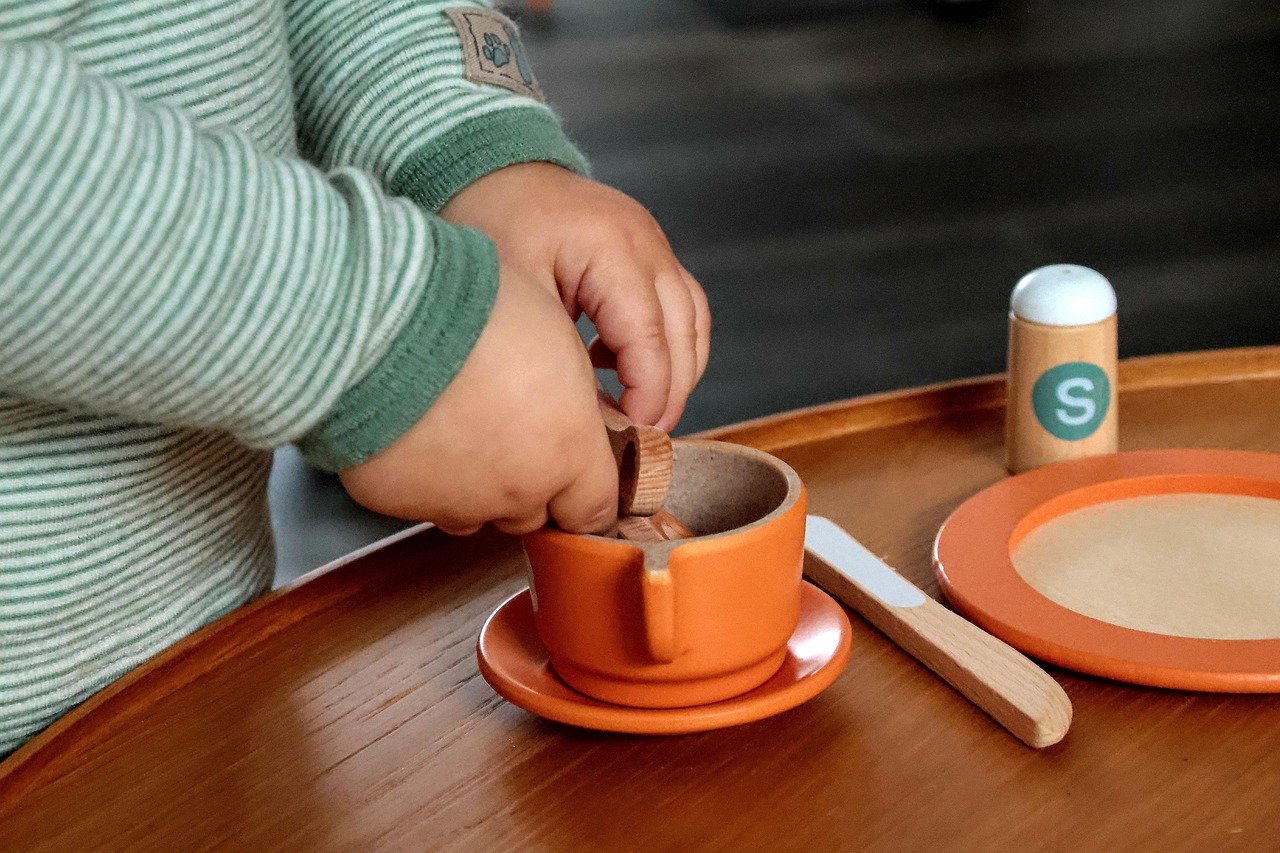
    Toddler playing with a wooden toy tea set
    Photo by Tho-Ge on Pixabay (source)

    Quick answer: Montessori-style activities for toddlers are simple, hands-on tasks that let children practice real skills at their own pace, such as pouring, sorting, transferring and helping with daily chores. You do not need special materials. A tidy shelf, a few household items and your patient attention are enough.

    Always supervise toddlers closely and avoid small parts that can be a choking hazard.

    What “Montessori at home” means

    The Montessori approach, developed by Dr. Maria Montessori, encourages independence, choice and learning through movement and touch. At home, that can mean low shelves with a few inviting activities, child-sized tools, and letting your toddler try things before you step in.

    Set up a simple space

    • Use a low shelf or a tray so your child can see and reach the activities.
    • Offer four to six activities at a time, and rotate them every week or two.
    • Keep each activity on its own tray, so there is a clear beginning and end.
    • Show the activity slowly, with little talking, and then let your child try.

    Practical life activities

    Activity What your toddler practices
    Pouring water between two small pitchers Hand control and concentration
    Transferring pom-poms with large tongs Fine motor skills
    Wiping a table with a small cloth Care for the environment
    Washing fruit or vegetables in a bowl Independence in the kitchen
    Putting socks into a basket Order and sorting

    Sensory and sorting activities

    • Sorting by color: large wooden or plastic blocks into bowls.
    • Matching: pairs of socks, lids and containers, or picture cards.
    • Texture basket: safe, clean items such as a sponge, a wooden spoon and a soft cloth.
    • Posting: large objects into a box with a hole.

    Language and nature

    • Name real objects as you handle them, and read picture books together.
    • Collect leaves, stones or shells on a walk, and look at them closely.
    • Water a plant together each morning.

    Tips for success

    • Follow your child’s interest instead of a plan.
    • Let them repeat an activity as often as they like.
    • Do not correct every mistake. Show again later if needed.
    • Stay close, and keep activities safe and age-appropriate.

    Montessori toddler checklist

    • Low shelf with a few trays.
    • Real, child-sized tools.
    • Activities rotated regularly.
    • Slow demonstrations, patient waiting.
    • Close supervision and safe materials.

    A week of simple tray activities

    This sample shows how you might rotate a few trays across a week. Choose items that are safe for your child’s age, and stay close.

    Day Activity What you need
    Monday Pouring water Two small pitchers, a tray, a sponge
    Tuesday Transferring objects Large pom-poms, big tongs, two bowls
    Wednesday Matching socks Pairs of clean socks in a basket
    Thursday Washing fruit A bowl of water, a soft brush, fruit
    Friday Posting A box with a slot, large flat objects such as lids

    Prepare the home so your toddler can help

    • Keep a small stool at the sink or kitchen counter, with supervision.
    • Store cups, plates and cloths on a low shelf.
    • Hang a hook at toddler height for a coat or bag.
    • Keep a small broom, a dustpan and a cloth where your child can reach them.

    When children help with real tasks, they build confidence and fine motor skills.

    How to present an activity

    1. Invite your child to the tray, and sit beside them.
    2. Show the activity slowly, with few words.
    3. Let your child try, and avoid correcting every mistake.
    4. Allow them to repeat the activity as often as they like.
    5. Show how to put the tray back, so the space stays ready for next time.

    Supporting language and movement

    • Use real names for objects, such as “ladle” or “sponge”.
    • Give short, clear directions, such as “Please put the cup on the table.”
    • Offer chances to climb, run, jump and carry, indoors or outdoors.
    • Sing songs, and read short books.

    Choices and boundaries

    Toddlers like to choose. Offer two options, such as “the red cup or the blue cup”, rather than open questions. Keep clear limits about safety, and explain them calmly. Montessori ideas work best when they are combined with warmth and patience.

    Safety reminders

    • Always supervise water play and activities with small objects.
    • Avoid items smaller than a toilet paper tube, which can be a choking hazard for young children.
    • Use unbreakable materials, and check them for cracks.
    • Keep cleaning products and sharp objects out of reach.

    Common misunderstandings

    • “You need expensive materials.” Many activities use everyday items such as bowls, spoons and cloths.
    • “Children can do anything they want.” The approach includes clear limits and respect for others, with freedom inside those limits.
    • “Parents should never help.” You can offer help when your child asks, or when something is unsafe. The aim is to avoid doing for them what they can do themselves.

    A toddler-friendly kitchen corner

    • A low drawer with plastic plates, cups and cutlery.
    • A small pitcher and a cup for pouring water, with a tray to catch spills.
    • A learning tower or sturdy stool, used only with an adult nearby.
    • A small cloth hanging at child height for wiping.

    When your toddler says no or has a tantrum

    Toddlers are learning independence, and strong feelings are part of that. Stay calm and acknowledge the feeling: “You wanted to keep playing.” Stay close, offer a hug, and set the limit kindly: “It is time to go, and I will help you.” Give choices where you can, such as “Do you want to hop or walk to the car?” Consistency and warmth help children learn.

    Mess is part of learning

    Spills happen when children are learning to pour and carry. Keep a cloth nearby, and let your child help to clean up. Turn it into part of the activity rather than a punishment. Over time, children become more careful, and they take pride in caring for their space.

    Low-cost options

    • Use second-hand trays, jars, baskets and cutlery.
    • Borrow toys and books from the library or friends.
    • Make your own materials with cardboard, fabric scraps and natural objects.

    The most valuable resource is your time and attention, and that is free.

    Frequently asked questions

    Do I need to buy Montessori materials?

    No. Many families use household items, such as bowls, spoons, cloths and baskets.

    What age is best to start?

    Toddlers around the second year often enjoy simple tasks. Choose what suits your child’s abilities.

    What if my child loses interest?

    That is normal. Put the activity away and bring it back later, or try a different one.

    Conclusion

    Montessori at home is about respect, simplicity and independence. Start with one or two trays, and watch what your child enjoys.

    Read also

  • How to Build a Cheap Baby Registry on a Budget

    How to Build a Cheap Baby Registry on a Budget

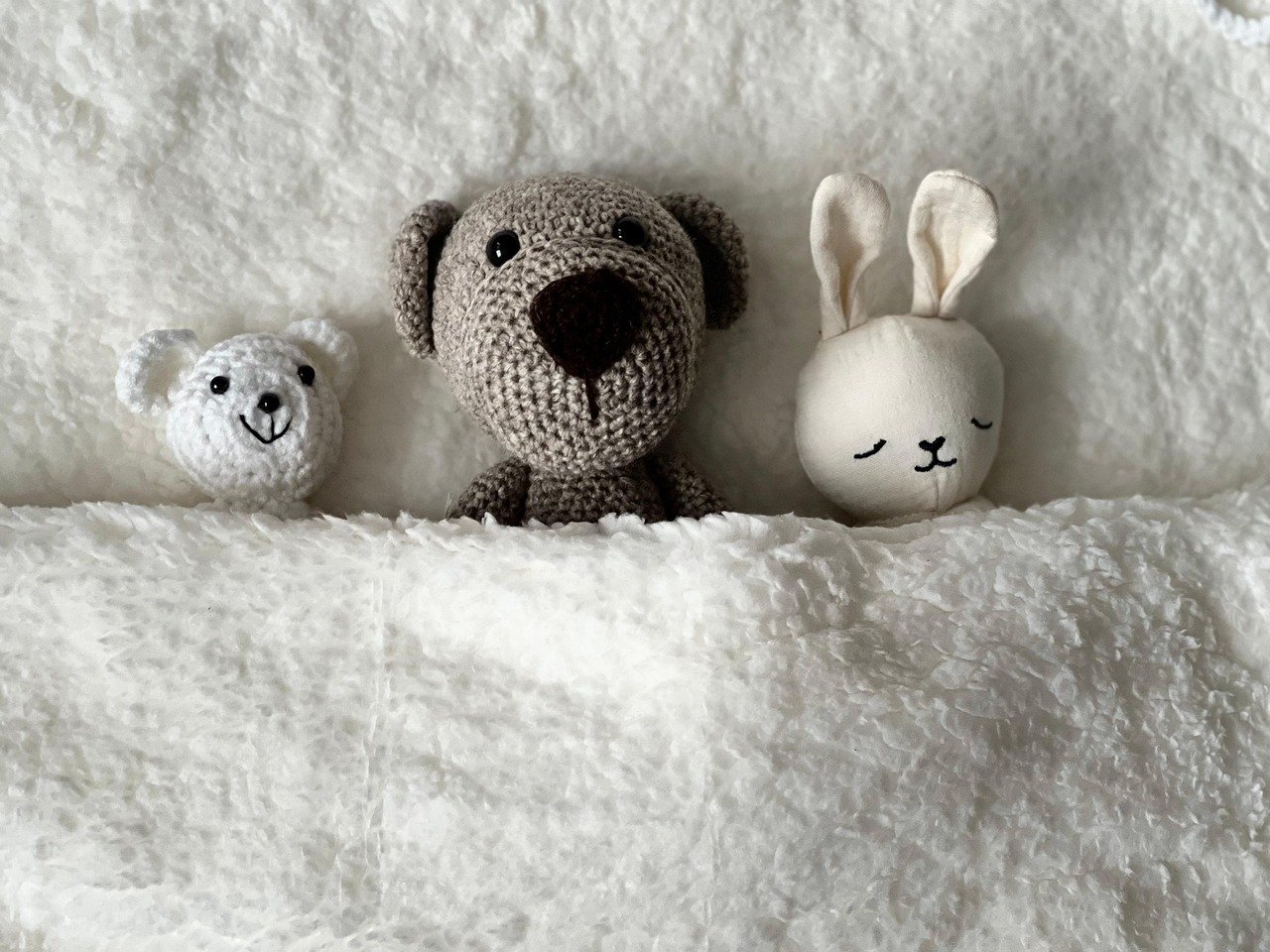
    Crocheted teddy bear and bunny toys resting on a soft white blanket
    Photo by Mylene2401 on Pixabay (source)

    Quick answer: to build a cheap baby registry on a budget, list only true needs, add items at different price points, include second-hand and group gifts, look for sales, and avoid duplicates. Safety items, such as the car seat and a safe sleep space, come first.

    Set a budget and a priority list

    Decide how much you can spend in total and what must be bought new. Write three lists: must have, nice to have and can wait. Our complete registry checklist can help you sort items.

    Spend where it matters

    • Buy new: car seat and safe sleep gear, where history and recalls matter.
    • Consider second-hand: clothes, books, toys and some furniture, when in good condition.
    • Skip or delay: gadgets, wipe warmers and large clothing sets.

    Use second-hand wisely

    • Check recall lists before accepting used cribs, strollers or high chairs.
    • Do not use a used car seat unless you know its full history and it is not expired.
    • Wash fabrics before use, and inspect all parts.

    Add items at every price point

    Price range Examples
    Low Burp cloths, socks, bibs, board books, washcloths
    Medium Sleep sacks, bottles, a baby bath, a diaper bag
    Higher Stroller, crib, car seat, group gifts

    Prices vary by country and season, so we do not list amounts. Compare a few stores before choosing.

    Enable group gifting

    Many registries let guests chip in together for larger items. This helps you get big things without paying for them alone.

    Look for deals

    • Check end-of-season sales and the registry completion discounts some stores offer.
    • Compare unit prices for diapers and wipes.
    • Join local parent groups where families share and swap baby items.

    Ask for what helps most

    Gift cards for diapers, a meal service, or help with chores can be as useful as any product. Add a note to your registry about your preferences.

    Avoid common budget mistakes

    • Buying everything in newborn size.
    • Choosing a theme set instead of items you need.
    • Ignoring return policies.
    • Skipping safety checks on used gear.

    Budget registry checklist

    • Total budget and priorities set.
    • New where safety matters, used elsewhere.
    • Items at all price points.
    • Group gifting turned on.
    • Return policies checked.

    A sample budget plan

    Here is one way to divide a baby-gear budget. The shares are an example for planning, not a statistic, so adjust them to your own situation and country.

    Category Example share Money-saving idea
    Sleep 20% New safe crib or bassinet, borrowed or low-cost decor
    Transport 30% Car seat new, stroller on sale or second-hand with recall check
    Feeding 15% Buy a few items first, add after you know your method
    Diapering and bath 15% Compare unit prices, accept hand-me-downs
    Clothes 10% Second-hand and gifts, fewer newborn sizes
    Reserve 10% For things you did not expect to need

    Where to find lower-cost items

    • Family and friends who have outgrown baby gear.
    • Parent groups, community swaps and second-hand shops.
    • Library toy and equipment lending programs, where available.
    • Sales at the end of a season, and discounts when you complete a registry.

    Safety when buying second-hand

    Item Advice
    Car seat Avoid unless you know its full history, and check the expiry date
    Crib or bassinet Check for recalls, all parts, and a firm fit
    Stroller Check the harness, brakes, folding lock and recalls
    Clothes and toys Usually fine, if clean, in good shape and with no small loose parts
    Mattress Many safety guides prefer a new mattress, so check advice for your region

    Cost-saving habits

    • Wait before buying items you are unsure of.
    • Buy bigger sizes of clothes, since babies outgrow newborn sizes quickly.
    • Use cloth or washable items where practical, such as burp cloths and wipes.
    • Track what you spend in a simple spreadsheet or note.

    Registry etiquette on a budget

    Share your registry link with a short note, such as “We would love practical items, books or help with meals.” Include small gifts, so that guests with a small budget can take part. Say thank you, and avoid feeling guilty about asking for what you need.

    Government and community help

    Many communities offer programs for new parents, such as free car seat checks, baby supply banks and parenting classes. Ask your doctor, hospital or local council about what is available where you live. These services vary a lot by country, so we do not list specific programs here.

    Prioritize by “need in the first month”

    A helpful test is to ask, “Will we need this in the first month?” If the answer is no, move it to a later list. This keeps your registry focused and your spending under control.

    Need in the first month Can wait
    Car seat, sleep space, diapers High chair, large toys
    A few clothes, sleep sacks Seasonal outfits, shoes
    Feeding basics, burp cloths Solid-feeding sets
    Thermometer, nail file Special gadgets

    Borrow and rent

    Some items are used only for a few months, such as a bouncer or a bassinet. Ask friends or family if you can borrow them. In some places, you can also rent baby equipment for travel. Check that borrowed items are in good condition, with all parts and no recalls.

    Think about total cost, not just price

    • Diapers and wipes are a recurring cost, so compare unit prices.
    • Cloth items can save money over time, but they need laundry.
    • Check whether accessories are sold separately.
    • Consider whether the item will be useful for a second child.

    Keep a simple spending record

    Write down what you buy, what you receive and what you still need. A short list in your phone is enough. Review it every few weeks, and update your registry. This helps you avoid duplicates and stay within your budget.

    Be kind to yourself

    It is easy to feel pressure when you see lists of “must-have” items. Remember that babies need love, food, sleep, warmth and safety. Everything else is optional. Many families manage well with far less than the lists suggest.

    Frequently asked questions

    How much should I spend on baby items?

    It depends on your situation. Start with essentials, and track spending as you go.

    Can I put second-hand items on my registry?

    Some registries allow custom items. You can also tell family and friends that you welcome used clothes and toys.

    What can I skip altogether?

    Many families skip wipe warmers, large toy sets and shoes for newborns. Wait and see what you truly need.

    Conclusion

    A budget registry is about being intentional. Put safety first, welcome second-hand where it is safe, and let loved ones help in the ways that matter.

    Read also

  • Essential Baby Products for Traveling Families

    Essential Baby Products for Traveling Families

    Couple walking beside a baby stroller along the seaside
    Photo by pasja1000 on Pixabay (source)

    Quick answer: when you travel with a baby, pack a safe sleep option, a car seat, a light stroller or carrier, feeding supplies, diapering basics, a first aid and medicine kit, and a change of clothes for everyone. Pack extra for delays, and check airline or transport rules before you go.

    Plan ahead

    • Check your baby’s age and your pediatrician’s advice about travel, especially for newborns.
    • Check passport, ID and any consent requirements for traveling with a child.
    • Read the airline, train or bus rules for strollers, car seats and baby food or milk.

    Safe transport

    • Car seat: use one suited to your child’s age and size for every car ride, including taxis where it is required. Many car seats are labeled as approved for aircraft use, so check the label and the airline’s rules.
    • Stroller: choose a compact one that folds easily.
    • Baby carrier: hands-free and helpful in crowded places.

    Sleep

    A portable crib or play yard that meets safety standards helps your baby sleep safely away from home. Bring a fitted sheet made for it, a sleep sack and a small white-noise machine or app, if your baby uses one. Avoid adding soft bedding.

    Feeding

    • Bottles, nipples and a small brush, or breastfeeding supplies.
    • Formula or milk in measured containers, plus water as needed. Check local rules and safe water guidance.
    • Bibs, burp cloths, snacks and a spoon for older babies.

    Diapering and hygiene

    • More diapers than you think you need, plus wipes and cream.
    • A foldable changing mat and plastic bags for dirty items.
    • Hand sanitizer, tissues and a small towel.

    Health and comfort

    • Thermometer and any medicines your pediatrician has approved.
    • Sun hat and sunscreen, if your baby’s age allows it. Ask your pediatrician.
    • A favorite toy, book or pacifier, if used.
    • A light blanket and a change of clothes for baby and for you.

    Packing list by situation

    Trip Priority items
    Day trip by car Diaper bag, snacks, change of clothes, car seat, sun protection
    Flight Documents, carrier or stroller, diapers, feeds, spare outfits, toys
    Overnight stay Portable crib, sleep sacks, bath items, extra feeding supplies

    Travel tips

    • Pack your carry-on as if your checked luggage could be late.
    • Feed during takeoff and landing, if suitable for your baby’s age, to help with ear comfort.
    • Allow extra time for security, changing and feeding.

    Travel checklist

    • Documents and travel rules checked.
    • Car seat and compact stroller or carrier.
    • Safe portable sleep space.
    • Feeding and diapering supplies, plus extras.
    • Health basics and spare clothes.

    Traveling by car

    • Use an appropriate, properly installed car seat on every journey.
    • Plan stops every couple of hours for feeding, changing and stretching.
    • Keep a small bag within reach, with diapers, wipes, a change of clothes and snacks.
    • Never leave your baby alone in the car.
    • Use sunshades on windows, and check that the seat and buckles are not too hot.

    Traveling by plane

    • Check the airline’s rules for baby age, car seats, strollers and bags.
    • Many car seats are labeled as approved for use on aircraft. If you want to use one, check the label and ask the airline in advance.
    • A carrier keeps your hands free in the airport.
    • Pack extra diapers and clothes in your carry-on in case of delays.
    • Offer a feed or a pacifier during takeoff and landing, if suitable for your baby’s age.

    Traveling by train or bus

    A compact stroller or carrier is usually easiest. Check space for strollers, and bring a changing mat, as facilities vary.

    Hotels and rentals

    • Ask whether a safe crib or play yard is available, and check that it meets safety standards. If not, bring your own.
    • Look for a quiet room away from elevators or noise.
    • Cover or block outlets, and check for loose cords, small objects and sharp furniture.
    • A small kitchen or fridge helps with feeding.

    A packing system that works

    Bag What goes in it
    Diaper bag (day use) Diapers, wipes, change of clothes, feeding supplies, toy, blanket
    Carry-on Documents, medicines, extra clothes for everyone, snacks, chargers
    Checked bag Most clothes, bath items, spare supplies, sleep sack

    Use packing cubes or labeled bags per child, so you can find items quickly.

    Health and safety while away

    • Check recommended vaccines and health advice for your destination and your baby’s age.
    • Save the number of local emergency services, and the address of the nearest hospital.
    • Take enough of any medicines your baby needs, in original packaging.
    • Use safe water for formula, according to local advice.
    • Consider travel insurance that covers children.

    Keeping routines and your calm

    Try to keep naps and feeds close to your usual routine. Bring familiar items, such as a favorite blanket or a sleep sack, and use the same bedtime steps. Expect some disruption, and keep plans flexible. Be kind to yourself, since travel with a baby is a different kind of trip, and it is fine to do less.

    Choosing a travel crib or play yard

    A portable sleep space is one of the most useful travel items. Look for one that folds quickly, comes with a carry bag and meets current safety standards. Practice setting it up at home before the trip, so that you are not struggling in a hotel room at bedtime. Use only the mattress that comes with it, and do not add extra padding.

    Buy, bring or rent?

    Item Bring Rent or borrow at destination
    Car seat Often best, because you know its history Possible, but check quality and installation
    Travel crib If compact Hotels and rental companies often offer them
    Stroller A compact one Available in some tourist areas
    Diapers and wipes Enough for the journey Buy at destination
    High chair Rarely needed Restaurants and rentals usually have one

    Time zones and routines

    When you cross time zones, adjust gradually if you can. On arrival, get daylight in the morning, keep meals at local times, and keep bedtime routines the same. Expect a few unsettled days, and be flexible with naps. A familiar sleep sack and a consistent routine can help your baby feel secure in a new place.

    Taxis and ride-share cars

    Rules about child seats differ by country and city. Check local requirements before you travel, and plan how you will secure your child in taxis and other vehicles. Some families bring a lightweight travel car seat for this reason.

    Frequently asked questions

    When can a baby fly?

    It depends on age, health and the airline. Ask your pediatrician and check the airline’s policy.

    Can I bring breast milk or formula on a plane?

    Many airports allow it, with specific rules about quantities and screening. Check your airport and airline before travelling.

    What if my baby cries on the trip?

    Stay calm, try feeding, a diaper change, a walk or a cuddle. Most people are understanding.

    Conclusion

    Good preparation makes trips with a baby easier. Focus on safe transport and sleep, pack feeding and diaper supplies with extras, and keep your plans flexible.

    Read also

  • Beautiful Nursery Ideas for Small Spaces

    Beautiful Nursery Ideas for Small Spaces

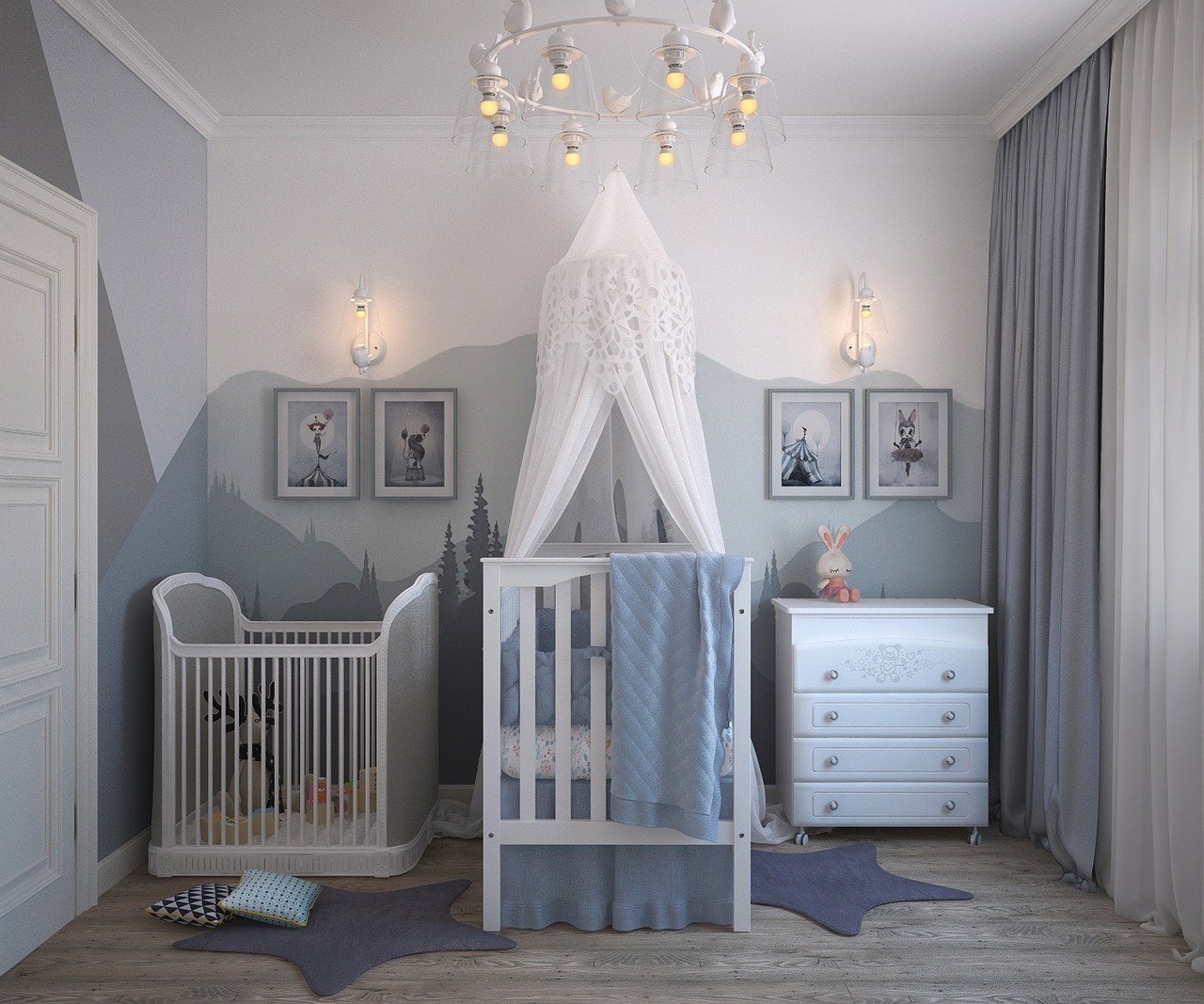
    Bright nursery with a white crib, a canopy and a dresser
    Photo by Sunriseforever on Pixabay (source)

    Quick answer: in a small nursery, keep the floor clear, use vertical storage, choose furniture that does more than one job and stick to a calm color palette. Prioritize a safe sleep space first, then add storage and decor in layers.

    Start with the layout

    Measure the room and sketch where the crib, changing area and feeding chair can go. Keep the crib away from windows, cords and heaters, and leave a clear path to it. Even a corner of your own bedroom can become a calm baby area.

    Choose multi-purpose furniture

    • A dresser with a changing pad on top replaces a changing table.
    • A crib with a built-in drawer or space for storage bins underneath.
    • A storage bench or ottoman that doubles as a seat.
    • A convertible crib that grows with your child.

    Go vertical

    • Wall shelves for baskets and books, placed out of the crib’s reach.
    • Hanging organizers on the back of the door or closet.
    • A closet organizer with a double rod for small clothes.

    Anchor any tall furniture and shelves to the wall.

    Pick a color palette that opens the room

    Palette Effect Accent ideas
    Soft white and cream Bright, airy Natural wood, woven baskets
    Blush and sage Calm, warm Linen curtains, floral art
    Light gray and gold Modern, balanced Brass details, a round mirror

    Use light wisely

    Hang curtains close to the ceiling to make it look taller, add a dimmable lamp for night feeds, and use blackout curtains for naps. Mirrors placed away from the crib can make the room feel bigger.

    Make a small feeding corner

    A compact armchair, a small side table and a lamp are enough. Add a basket with burp cloths, water and a book.

    Decor that fits a small room

    • A single large piece of art in place of many small frames.
    • A soft rug with a low pile, which is also gentle for later floor play.
    • Wall decals, which are easy to remove.
    • Keep the crib bare. Decorate walls and shelves, not the sleep space.

    Keep it flexible

    Babies grow quickly, so choose simple pieces that adapt, like neutral furniture and removable wall decor.

    Small nursery checklist

    • Layout sketched, crib away from windows and cords.
    • Furniture that serves two purposes.
    • Vertical storage, anchored to the wall.
    • Light colors and layered lighting.
    • A cozy feeding corner.

    Layout examples for tiny rooms

    Room type Layout idea
    Small bedroom Crib on the longest wall, dresser with a changing pad opposite, chair in the corner
    Walk-in closet Remove the door, add a shelf, and use the space as a small changing and storage area
    Corner of your bedroom Bassinet beside the bed, a slim dresser and a folding screen or curtain to divide the space
    Shared room with a sibling Use a room divider or a curtain, and use soft lighting so that each child has a personal area

    Storage ideas that save floor space

    • Under-crib bins on wheels for spare bedding and larger sizes of clothes.
    • Over-the-door shoe organizers for diapers, wipes and small items.
    • Hanging closet shelves for folded clothes.
    • Floating shelves for books, placed high and anchored.
    • A narrow cart on wheels for the changing station, which can move out of the way.

    Wall and floor ideas

    • Paint or wallpaper one accent wall instead of the whole room.
    • Wall decals or fabric art are easy to remove.
    • A round or oval rug softens the room and makes it feel cozy.
    • Choose washable rugs and fabrics.

    Keep it calm

    Too many colors or patterns can make a small room feel busy. Pick two main colors and one accent. Use natural textures, such as wood, cotton or woven baskets, to add warmth. Keep surfaces clear, and store extra items out of sight.

    Safety in small spaces

    • Keep the crib away from windows, curtains and blind cords, and away from shelves that could fall.
    • Anchor dressers and shelves to the wall.
    • Make sure that nothing hangs above the crib.
    • Do not place a heater, humidifier or electrical device within reach.

    A budget plan

    Priority Items
    First Safe sleep space, blackout curtains, anchoring hardware
    Second Dresser or storage, feeding chair or cushion, lamp
    Third Rug, art, baskets and decor

    Buy second-hand for furniture where possible, and check safety. Use paint and textiles to give the space personality.

    Grow-with-me ideas

    Choose furniture that can change as your child grows, such as a convertible crib, a dresser that becomes a desk, or shelves that adjust. Keep the walls simple, so that you can change the theme without repainting.

    Make a plan before you buy

    Measure the room, the door and the windows, and note where outlets and radiators are. Draw a simple plan on paper, and test it by marking furniture sizes with tape on the floor. This helps you check that you can open doors, walk around and reach the crib comfortably.

    Choosing a crib for small rooms

    Option Good for
    Mini crib or bassinet The first months, in a tight space
    Standard crib with a storage drawer Long-term use with extra storage
    Convertible crib A bed that grows with your child
    Play yard A flexible, portable sleep space

    Whichever you choose, check that it meets current safety standards and follow the maker’s instructions.

    Lighting and mood

    • Use a dimmable lamp for night feeds.
    • Choose warm bulbs for a cozy feel.
    • Add a small night light, away from the crib.
    • Hang lightweight curtains for daylight, with blackout lining for naps.

    Decorating on a small budget

    Paint is one of the best-value ways to change a room. Use low-odor paint, and finish well before the baby arrives. Frame a few favorite prints, or use fabric scraps to make a banner. Choose second-hand frames and baskets, and focus on a few meaningful items.

    Sharing space with a baby

    If the baby sleeps in your room, keep the space calm with a screen or curtain. Keep the baby’s items in one section, such as a single dresser or a set of bins. Over time, you can move the baby to their own room when you are ready.

    Neutral small nursery ideas

    A neutral palette keeps a small room calm and makes it feel larger. Cream, warm white, sand, soft gray and sage green work well together, and they suit any baby. Add interest with texture instead of bold color: a woven basket, a linen curtain, a knitted blanket or a wooden shelf. If you later want to change the look, swap a few accessories rather than repainting.

    Frequently asked questions

    Can a baby sleep in my room?

    Yes. Health guidance recommends room-sharing in the early months, so a small nursery corner is a good fit.

    How do I keep clutter down?

    Use labeled bins, store off-season sizes elsewhere and only keep what you use now at hand.

    What is the best color for a small nursery?

    Light, soft tones tend to make rooms feel larger, but choose what you love.

    Conclusion

    A small nursery can feel beautiful and calm. Plan the layout, build in storage and keep the sleep space safe and simple.

    Read also

  • How to Choose the Right Baby Stroller

    How to Choose the Right Baby Stroller

    Empty wicker baby stroller photographed in a studio
    Photo by MirelaSchenk on Pixabay (source)

    Quick answer: choose a stroller by thinking about where you will use it, how you travel, how much storage you have and how easily you can fold and lift it. Test it in person if you can, check that it is compatible with your infant car seat, and look at safety features such as the harness and brakes.

    Start with your daily life

    • Where will you walk? Smooth sidewalks, parks, gravel or city streets?
    • How do you travel? Car, public transport or mostly on foot?
    • How much space do you have? Think about the trunk, the hallway and the stairs.

    Types of strollers

    Type Best for Things to check
    Full-size stroller Everyday use, long walks Weight, size when folded
    Travel system Newborns, moving between car and stroller Car seat compatibility
    Lightweight or umbrella stroller Travel, quick trips, older babies Seat recline and support for young babies
    Jogging stroller Active parents on rougher paths Age guidance from the maker before using with a young baby
    Double stroller Twins or siblings Width through doors

    Safety checks

    • A five-point harness and reliable brakes.
    • A stable base that does not tip easily.
    • A fully reclining seat or a bassinet mode for newborns, so that the baby lies flat.
    • No recalls, which you can check on official recall lists in your country.
    • Follow the maker’s weight limits, and never leave a child unattended.

    Comfort and convenience

    • Handle height that suits the tallest parent.
    • One-hand fold, if you often carry other things.
    • Large storage basket and cup holders.
    • A sun canopy, rain cover and washable fabric.

    Test it before you buy

    1. Fold and unfold it three times, ideally with one hand.
    2. Lift it into your car trunk.
    3. Push it with a bag on the handlebars, and turn a tight corner.
    4. Check how it works with your car seat.

    Budget

    Prices vary widely. A mid-range stroller that you can use for years is often better value than the cheapest or the most expensive. Second-hand strollers can be good, as long as they are in good shape, have all parts, and no open recalls.

    Stroller buying checklist

    • Fits your daily routes and storage.
    • Works with your infant car seat.
    • Lies flat for a newborn.
    • Easy fold and lift.
    • No recalls, and safe harness and brakes.

    Features compared

    Feature Why it matters What to look for
    Weight You will lift it often A weight you can lift into a trunk or up stairs
    Folded size Storage and travel Measure your trunk and closet
    Wheels Smoothness over different ground Larger or air-filled wheels for rough paths, smaller for city use
    Suspension Comfort for baby Useful on bumpy paths
    Canopy Sun and weather protection Large, with ventilation
    Storage basket Daily shopping and bags Easy to reach, with a good weight limit
    Handlebar Posture and comfort Adjustable height

    Car seat compatibility

    Many strollers can take an infant car seat, either directly or with adapters. If you plan to use this “travel system” approach, check the exact models. Mixing brands usually requires an adapter, and not every combination is approved. Read the maker’s guidance on which car seats fit.

    City, suburbs or countryside

    • City: a compact, maneuverable stroller that folds quickly and fits in elevators and buses.
    • Suburbs: a full-size stroller with a large basket, for errands and long walks.
    • Countryside or trails: larger wheels and good suspension.

    Safety and use tips

    • Always use the harness, and adjust it as your baby grows.
    • Use the brakes whenever you stop.
    • Do not hang heavy bags on the handles, which can tip the stroller.
    • Do not let the stroller replace the crib for sleep, and move a sleeping baby to a flat, safe surface when you can.
    • Keep fingers clear when folding and unfolding.

    Maintenance

    • Wipe the frame and wash the fabric according to the instructions.
    • Check wheels and brakes regularly, and clean the folding mechanism.
    • Store the stroller dry to avoid rust and mold.

    Buying new or used

    A used stroller can be a good value, but check that it has no recall, that all parts and the manual are present, and that the harness, brakes and folding lock work properly. Avoid items with cracked frames or torn fabric. Look up the model number on an official recall list in your country.

    Common mistakes

    • Buying without trying the fold, lift and push.
    • Choosing by looks and ignoring the trunk size.
    • Ignoring car seat compatibility.
    • Buying a jogging stroller for a very young baby, without checking the age guidance.

    Questions to ask in a store

    • How does it fold, and can I do it with one hand?
    • What is the weight limit, and the age range?
    • Does the seat recline flat for a newborn?
    • Which car seats fit, and do I need adapters?
    • What is the warranty, and how do I get replacement parts?
    • Can I take it for a short test drive around the store?

    Think about the whole family

    If more than one adult will use the stroller, test it with each person. Check that the handle height suits both. If you plan another child soon, consider a stroller that can be converted into a double. If you use public transport, think about how easily the stroller fits in narrow doors, buses and elevators.

    Weather and seasons

    Condition What helps
    Hot weather Ventilated seat, large canopy, sunshade
    Cold weather Footmuff or blanket, wind cover
    Rain Rain cover with ventilation
    Snow or mud Larger wheels, good clearance

    Never cover the stroller with a blanket in a way that blocks airflow.

    Walking with a baby: practical tips

    • Plan walks around naps and feeds.
    • Dress your baby appropriately for the weather.
    • Keep a bag with spare diapers and a change of clothes.
    • Stay on safe paths, and watch for curbs and traffic.

    Slings, carriers and strollers together

    Many parents use both a stroller and a carrier. A carrier is useful for short trips, crowded spaces and fussy moments. A stroller is useful for longer walks, and for carrying bags. Choose a carrier that supports your baby properly, and follow the safety instructions for position and breathing.

    Frequently asked questions

    Can I use one stroller from birth?

    Many full-size and travel-system strollers can be used from birth, if they recline flat or take an infant car seat. Check the maker’s age guidance.

    Do I need a second, lightweight stroller?

    Not always. Some families add one later for travel.

    Is a jogging stroller safe for a newborn?

    Makers often advise waiting until a baby is older. Ask your pediatrician and read the instructions for your model.

    Conclusion

    The best stroller is the one that fits your life, works smoothly and keeps your baby safe. Test it, check recalls and avoid buying more than you need.

    Read also